A burnt peeling scalp can be uncomfortable and unsightly, sometimes resulting from overexposure to the sun, heated styling tools, or chemical treatments. Taking care of your scalp is essential for maintaining overall hair health. In this guide, we will explore some effective methods to soothe and manage burnt peeling skin on your scalp. By following these tips, you can encourage healing, reduce discomfort, and prevent further irritation.
Causes of Burnt Peeling Scalp
Understanding the causes of a burnt peeling scalp is the first step towards finding the right solution. Sunburns are a common cause, especially for those who spend extended periods outdoors without adequate protection. Similarly, excessive use of heated hair styling tools like straighteners and curling irons can dry out the scalp and lead to peeling.
Chemical hair treatments, such as dyes and relaxers, might also contribute to scalp irritation. It’s important to monitor how your scalp reacts to various treatments to avoid any further damage.
Effective Remedies
Moisturizing Treatments
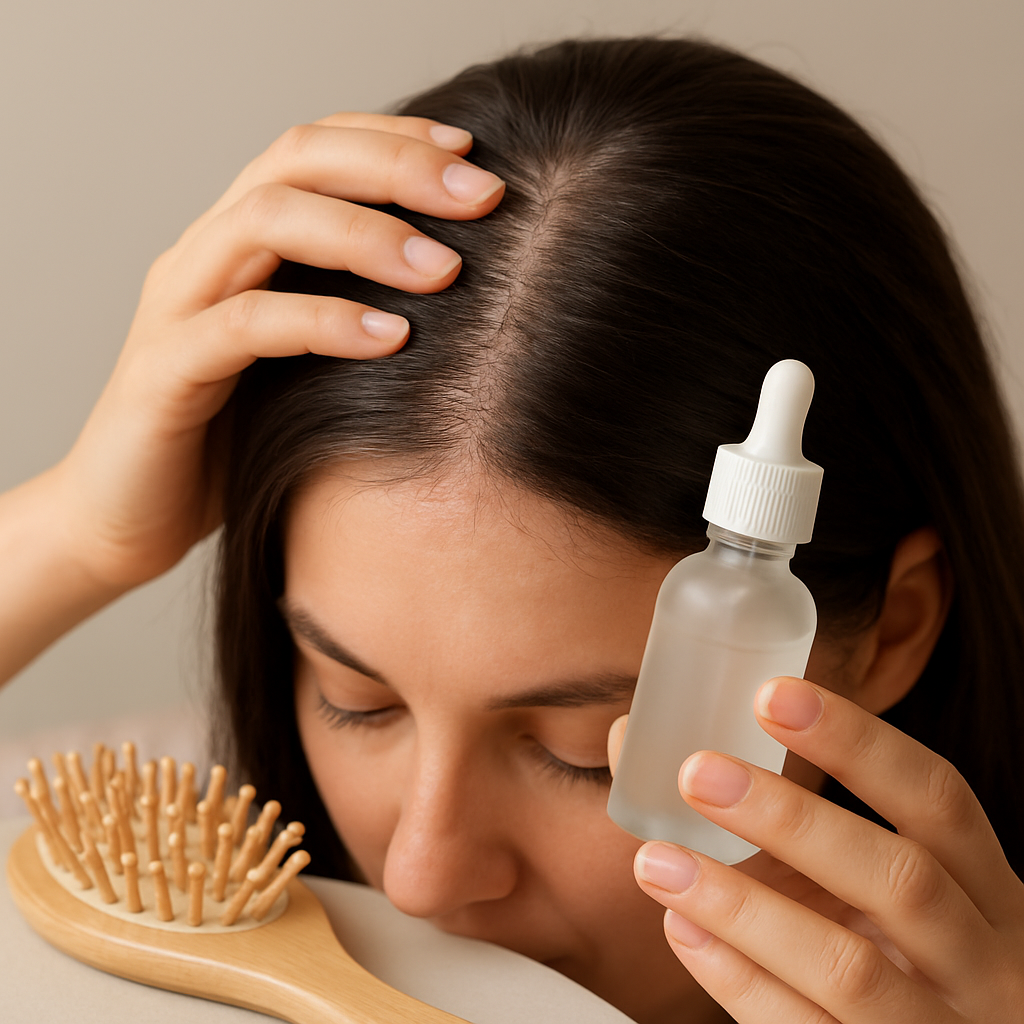
Moisturizing is crucial for healing a burnt peeling scalp. Look for conditioners or scalp treatments containing soothing ingredients like aloe vera or argan oil. These ingredients can help to hydrate the scalp and alleviate dryness. Ensure you are using gentle, sulfate-free hair care products to prevent further irritation. You may find helpful guidance by reading about choosing the right hair washing products.
Sun Protection
Preventative measures are key to avoiding further damage. Wearing a hat or applying sunscreen specifically designed for the scalp can provide much-needed protection from the sun. A leave-in conditioner with SPF can offer an additional layer of defense against UV rays.
Avoid Excess Heat
Minimize the use of heat on your scalp until it has healed. Opt for air-drying instead of blow-drying, and if you must use heated tools, ensure they are on a lower temperature setting. This can help in reducing any further dryness and damage to your scalp.
Gentle Hair Care Practices
Handle your hair and scalp with care, especially when dealing with a burnt peeling scalp. Use a gentle comb or a soft-bristle brush to avoid aggravating the peeling skin. Refrain from using harsh hair care products, and opt for alcohol-free formulations to avoid stinging or burning sensations.
When to Seek Medical Advice
If the condition of your scalp does not improve with at-home treatments or if you experience severe symptoms such as intense pain or pus, consult a healthcare provider. A dermatologist can provide a proper diagnosis and recommend specific treatments to help your scalp heal effectively. For more scientific information, you can refer to resources like this Sunburn guide on Wikipedia.
Preventing Future Issues
Developing a consistent and thoughtful hair care routine can support scalp health and prevent future occurrences of a burnt peeling scalp. Regularly hydrating your scalp and using protective products like leave-in conditioners with UV protection can go a long way in maintaining a healthy scalp.
Ultimately, by taking a proactive approach to scalp care and understanding the factors that contribute to damage, you can effectively minimize the risk of developing uncomfortable conditions such as a burnt peeling scalp.
- A burnt peeling scalp can result from sunburn, heat styling, and chemical treatments.
- Moisturizing treatments and sun protection are effective remedies.
- Avoid excess heat and handle your hair with gentle care.
- Consult a healthcare provider if severe symptoms persist.
- Regular scalp care can help prevent future issues.
Frequently Asked Questions
What are the common causes of a burnt peeling scalp?
Common causes include sunburn, overuse of heated styling tools, and chemical hair treatments that irritate the scalp.
How can I speed up the healing process?
Using moisturizing treatments with soothing ingredients and protecting your scalp from the sun can speed up healing. Avoiding further heat exposure will also help.
What ingredients should I look for in scalp treatments?
Look for soothing and hydrating ingredients such as aloe vera, argan oil, and other natural oils. These can help soothe and repair a damaged scalp.
When should I seek medical advice for my scalp condition?
If the condition worsens or doesn’t improve with home care, or if you experience severe symptoms such as intense pain or infection, seek medical advice.
Can regular hair care routines help prevent a burnt peeling scalp in the future?
Yes, maintaining a routine that includes hydrating treatments and sun protection can help minimize the risk of developing this condition again.