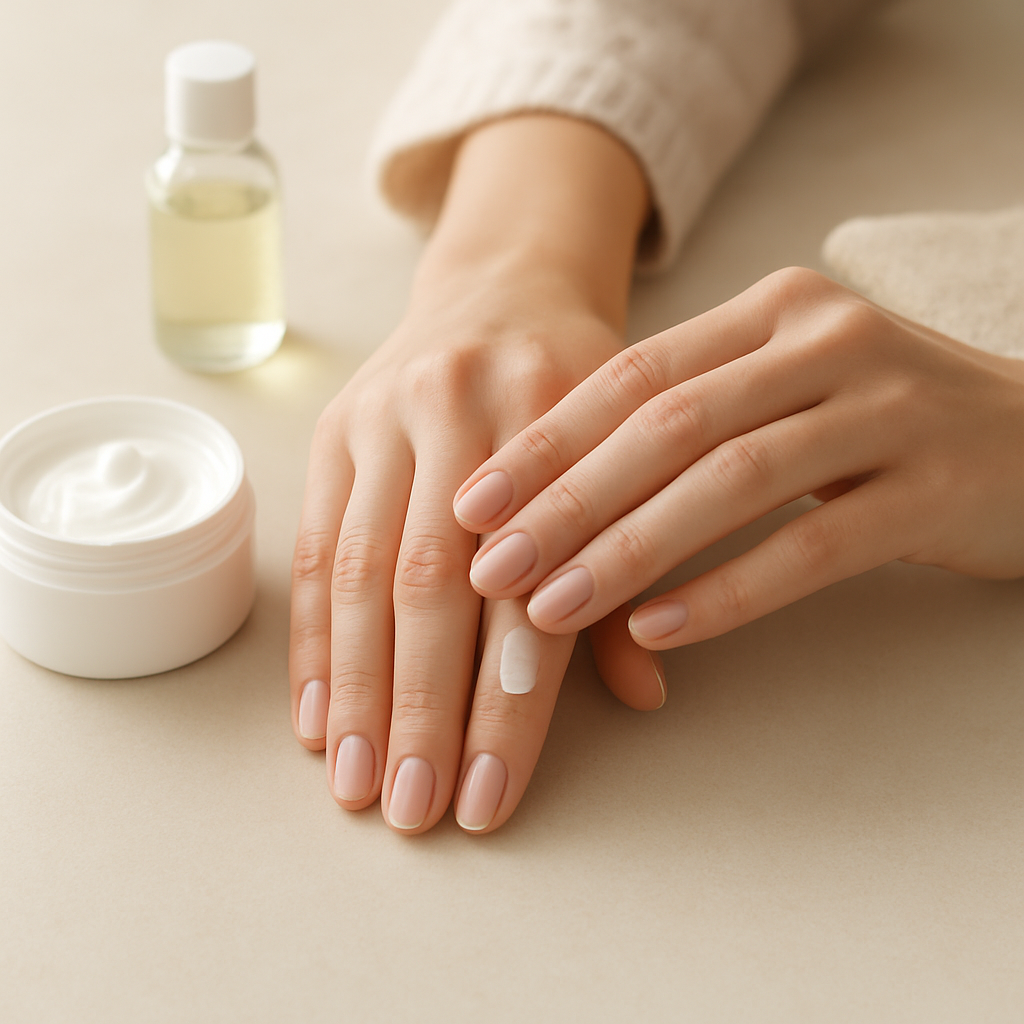
When it comes to healing skin, a reliable wound cream can be a transformative addition to your skincare regimen. Whether you’re dealing with a scrape, burn, or surgical incision, these creams are designed to support the body’s natural healing process. By providing a protective barrier, wound creams help keep the affected area moisturized and free from infection, allowing for quicker recovery and minimal scarring.
Understanding the Role of Wound Cream in Skin Recovery
Wound creams have been formulated to address various skin concerns associated with healing. They often contain ingredients that have antimicrobial properties to fend off infections and promote repair. The active components may include anything from natural extracts like aloe vera and calendula to scientifically-backed ingredients like silver sulfadiazine or lanolin.
The choice of wound ointment or cream will depend heavily on the type and severity of the wound. Minor cuts and abrasions may only require a simple over-the-counter option, while more severe or specific cases, such as post-operative wounds, may benefit from a specialized product, potentially recommended by a healthcare professional.
Ingredients to Look for in a Wound Ointment
When selecting a wound ointment, knowing which ingredients contribute to effective healing is vital. Here are a few key components to look for:
- Antiseptic agents: These help in preventing infections. Common options include iodine and hydrogen peroxide.
- Hydrating ingredients: Ingredients like glycerin and hyaluronic acid can help maintain moisture, which is crucial for skin recovery.
- Soothing agents: Natural ingredients such as chamomile and aloe vera provide comfort and reduce irritation.
- Barrier protectors: Products containing petroleum jelly or lanolin create a protective layer over the wound.
When to Use a Wound Cream?
Applying wound cream is often recommended as soon as the wound has been cleaned to protect the skin and promote healing. Consistent use, as directed, can enhance recovery and minimize scar formation.
It’s essential to recognize the signs that a wound may require medical attention, such as severe pain, swelling, or pus, as these might indicate an infection. For such situations, consulting a healthcare provider is crucial to ensure proper treatment.
Choosing the Best Wound Cream for Your Needs
The decision on which wound cream to use should be based on the type of wound and your skin’s sensitivity. For instance, people with sensitive skin may prefer creams with fewer synthetic chemicals or added fragrances. Similarly, on-face wounds might need hypoallergenic formulations.
If you’re interested in exploring alternative ways to manage skin issues, you might want to read more about whether pimple patches can help with cold sores.
Ultimately, consulting a healthcare professional can offer personalized recommendations tailored to your specific skin needs and health background. For more comprehensive information on skin healing and wound care, consider consulting reputable sources like this overview on health.
Tips for Optimizing Wound Healing
Beyond choosing an effective wound cream, certain practices can further support skin recovery:
- Adhere to a consistent skincare routine specifically curated for your healing needs.
- Consume a diet rich in vitamins and minerals, particularly those that support skin repair, such as vitamin C and zinc.
- Keep the wound covered and clean to stave off bacteria and other pathogens.
- Avoid picking at the wound to prevent additional injury and scar formation.
By incorporating these strategies, alongside the use of a suitable wound cream, you can boost your skin’s natural ability to heal and recover.
In conclusion, selecting the right wound cream is pivotal for skin healing. Ensure that you are ingredient-conscious, aware of your skin’s specific needs, and supported by a healthy lifestyle to optimize the healing process. Always remember to seek medical advice when dealing with complex or significant wounds. For more insights on skincare solutions, visit related articles and trusted expert sources.
Takeaways
- Wound creams support the natural healing process by providing a protective barrier.
- Consider creams with antiseptic, hydrating, soothing, and barrier-protecting ingredients.
- Using wound cream consistently after proper cleaning can enhance recovery.
- Consult a professional for severe or infected wounds.
- Other skincare practices and a nutrient-rich diet can aid in healing.
FAQ
What is the primary purpose of a wound cream?
The main function of a wound cream is to protect the damaged skin, reduce the risk of infection, and facilitate faster and more efficient healing.
Can I use wound cream on all types of injuries?
While many wound creams are versatile, it’s important to read labels and follow guidelines. Some wounds, especially severe ones, might require specific treatments.
How frequently should I apply wound cream?
The application frequency depends on the product’s instructions and the wound type. Generally, it is advisable to apply at least once or twice daily unless otherwise indicated.
Are natural ingredients effective in wound ointments?
Yes, natural ingredients like aloe vera and chamomile are valued for their soothing and healing properties in wound ointments.
Is it necessary to cover a wound after applying cream?
Covering the wound can protect it from infection and maintain the cream’s efficacy by keeping the area moist and shielded from contaminants.