Scar tissue is a natural part of the healing process after an injury, but many wonder, can scar tissue go away completely over time? While scars may not fully disappear, there are treatments and care routines that can significantly improve their appearance. Understanding the formation and management of scar tissue is essential for achieving healthier, more vibrant skin.
Understanding Scar Tissue
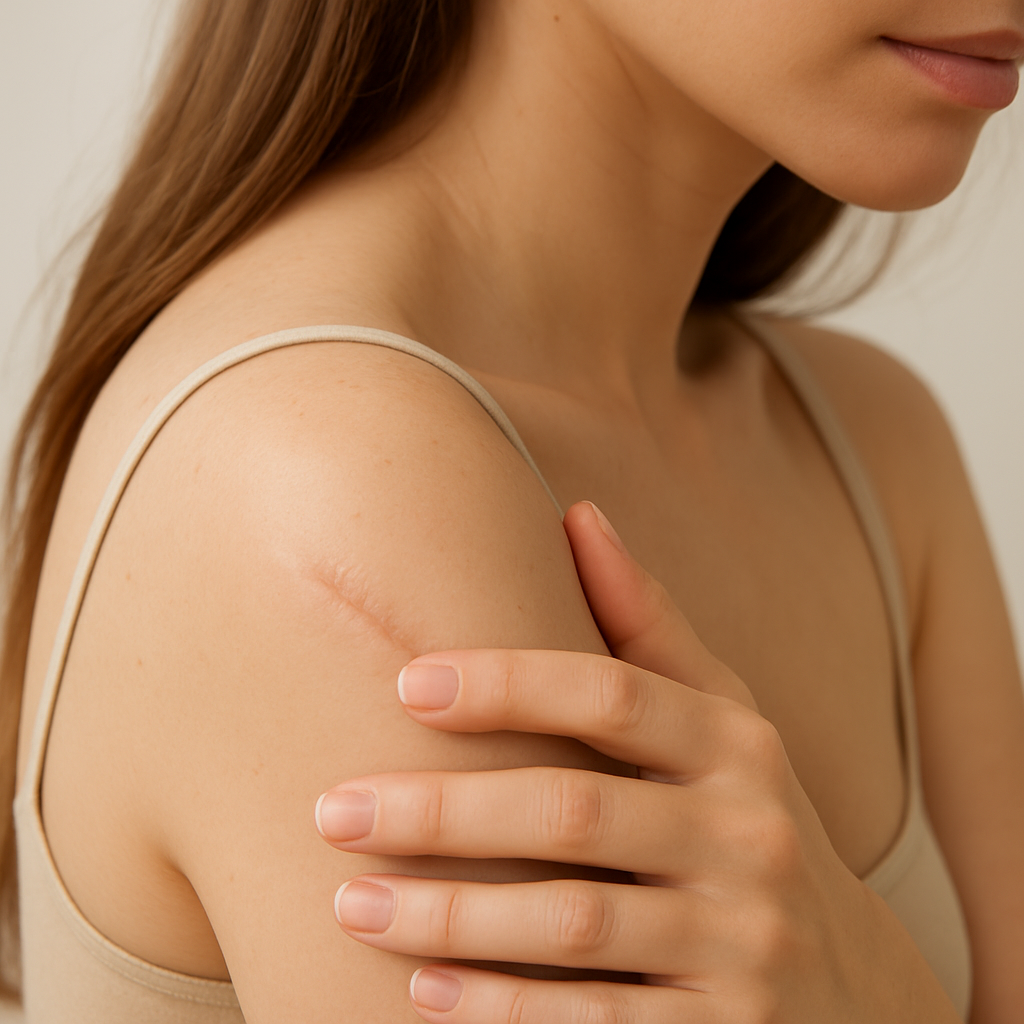
Scar tissue forms as a result of the body’s natural healing process. When the skin is injured, the body produces collagen fibers to treat the wound, leading to scar formation. These collagen deposits are different in texture and appearance compared to normal skin, resulting in the rigidity and raised appearance of scars.
Minor scars caused by superficial cuts or scratches may fade over time, while deeper scars can remain visible for years. Comprehensive care strategies and treatments can help in managing these scars, potentially reducing their visibility.
Can Scar Tissue Go Away?
When asking, “can scar tissue go away,” it’s important to have realistic expectations. In most cases, scars may not entirely vanish, but they can become less noticeable. Several factors influence the healing process, including the severity of the wound, genetic factors, and skincare practices.
For minor scars, topical treatments such as silicone gels, creams containing retinoids, or vitamin E oil may enhance healing. Regular application of these products may gradually soften and lighten the scar’s appearance over months.
Types of Scarring
Understanding the different types of scars can help in selecting appropriate treatments:
- Hypertrophic Scars: Raised scars that develop along the wound line. They may reduce in size with time or with the use of silicone treatments.
- Keloid Scars: Raised scars that extend beyond the original wound. Keloids often require professional medical treatments, such as steroid injections or laser therapy, for reduction.
- Atrophic Scars: Depressed scars often caused by acne or chickenpox. Chemical peels or dermal fillers may help improve their appearance.
Treatments for Improving Scar Appearance
Professional treatments can offer more significant results for scar reduction:
- Laser Therapy: It involves using laser light to remove the top layers of the skin, encouraging new skin growth. It’s effective for reducing the visibility of both new and older scars.
- Chemical Peels: Specialized chemical solutions exfoliate the skin, encouraging new, smoother skin to emerge.
- Microneedling: This procedure uses tiny needles to stimulate the skin’s natural healing process, promoting collagen production and reducing scar texture.
Home Care and Maintenance
Home routines also play an essential role in managing scar tissue:
- Skincare Routine: Developing a consistent skincare routine can support scar fading. For insights into starting a skincare regimen, visit our dedicated article on creating a mindful skincare routine.
- Protection from Sun: UV exposure can worsen scars, making sunscreen application a crucial step.
- Healthy Diet: Consuming a balanced diet rich in vitamins and minerals can support skin health from within.
Consulting Professionals for Scar Management
If scars are significantly impacting your quality of life, consulting a dermatologist can provide tailored treatments. Dermatologists can assess the scar type and recommend appropriate interventions, potentially including prescription creams or advanced therapies.
For more detailed information about skin health and treatments, explore resources like this page on health and wellness.
Conclusion
While the question “can scar tissue go away” may not have a simple answer, advances in dermatological treatments and regular skincare routines can make them significantly less prominent. Investing time in caring for your skin can lead to noticeable improvements and boost your confidence.
- Scar tissue is a natural part of the healing process and may not fully disappear.
- Various treatments, both professional and home-based, can help improve scar appearance.
- A consistent skincare routine and sun protection are key to managing scars.
- Consult a dermatologist for personalized treatment options.
- Both superficial and deeper scars can benefit from targeted therapies.
FAQs
How long does it take for a scar to fade?
Fading time varies depending on the scar type and the treatment used. Generally, scars may take a few months to a couple of years to become less noticeable.
Can over-the-counter products help with scar fading?
Yes, products containing silicone, vitamin E, and retinoids can assist in reducing scars if used consistently over time.
Are there any natural remedies that can help scars fade?
Natural remedies such as aloe vera, honey, and coconut oil are often used to hydrate the skin, potentially improving scar texture and softness.
What are the side effects of laser treatments for scars?
Possible side effects of laser treatments include temporary redness, swelling, or minor irritation. It’s important to discuss risks with a dermatologist.
How do I know if I should see a dermatologist for my scars?
If scars are painful, limit movement, or affect your confidence, it may be beneficial to consult a dermatologist for expert advice and treatment options.