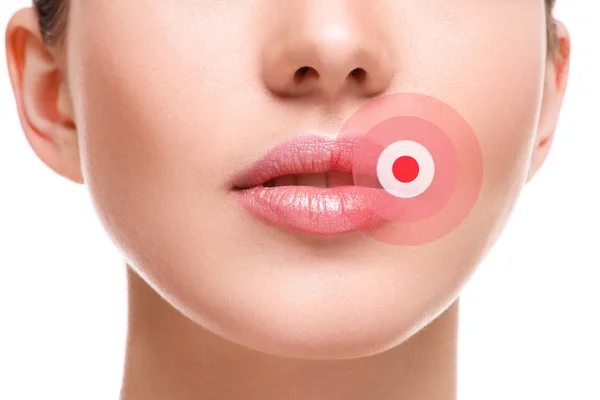
Dealing with the aftermath of a cold sore can be frustrating, especially when you’re faced with the challenge of managing a cold sore scar. These scars can linger, affecting your complexion long after the cold sore has healed. Fortunately, there are effective ways to minimize their appearance, leaving you with a clearer, more confident complexion.
Understanding Cold Sore Scar Development
Cold sores are caused by the herpes simplex virus (HSV), which typically manifests as blisters on the lips or mouth. Once these blisters heal, some individuals may experience scarring, especially if the sore was severe or if it was irritated during the healing process. These scars result from damage to the skin’s deeper layers caused by the viral infection.
Effective Treatments for Cold Sore Scar Reduction
Several treatment options can help reduce the visibility of cold sore scars. While complete eradication of scars might not always be possible, these methods can improve their appearance significantly.
- Topical treatments: Applying silicone gel or sheets can be beneficial in reducing the thickness and color of scars. These are commonly used and recommended by dermatologists for various types of scars.
- Laser therapy: Laser treatments can effectively minimize scar tissue by encouraging skin regeneration and evening out skin tone. For the best results, consult with a dermatologist about the suitability of this option.
- Chemical peels: These help in exfoliating the outer layer of skin, promoting the regeneration of new, healthy skin and reducing the appearance of scars.
- Microneedling: This procedure involves tiny needles creating micro-injuries that stimulate collagen production and skin rejuvenation, reducing the appearance of scars over time.
Preventing Scarring After Cold Sore
Preventing scarring starts during the initial stages of the cold sore outbreak. Here are some proactive measures:
- Resist picking or touching: Avoid picking at the sore to prevent further injury to the skin, which can lead to scarring.
- Use a moist healing environment: Keep the sore moist using petroleum jelly to promote faster healing and reduce the chance of a dry scab forming, which can scar more easily.
- Sunscreen protection: Exposure to the sun can darken scars, making them more noticeable. Apply a broad-spectrum sunscreen to protect the area from UV rays.
For more detailed guidance on managing sores and scars, you might find our exploration of using pimple patches on cold sores insightful.
Home Remedies and Natural Solutions
Many individuals turn to natural remedies hoping to lessen scarring after a cold sore. While more research is needed, some remedies may offer benefits:
- Aloe Vera: Known for its soothing and anti-inflammatory properties, aloe vera gel can help heal skin and reduce scar formation.
- Coconut Oil: Rich in fatty acids, it keeps the skin moisturized and aids in faster recovery.
- Honey: Honey is a natural moisturizer and has antibacterial properties that can help speed up healing and thus reduce scar potential.
Always ensure to patch test when trying out new remedies to avoid adverse reactions.
When to Consult a Dermatologist
If a cold sore scar continues to be a concern or appears severe, consulting a dermatologist is recommended. They can offer personalized treatment options and advice tailored to your skin type and scar condition.
You can also explore reputable sources like this Wikipedia entry on health for additional understanding of skincare practices.
Living With Confidence
Remember, patience is paramount when dealing with cold sore scars. With time and the right approach, these scars can fade substantially, helping you regain confidence in your skin. Whether through professional treatments or diligent home care, there’s hope for restoring a clearer, smoother complexion without the worry of a cold sore scar lingering.
- Cold sores can lead to scarring, especially if picked at or improperly treated.
- Numerous treatments can help reduce the appearance of scars, from topical applications to clinical procedures.
- Protecting your skin from the beginning of a cold sore outbreak is crucial in preventing scars.
- Natural remedies may aid in scar reduction but should be used cautiously.
- Consult a dermatologist for persistent or severe scarring concerns.
FAQ
Can cold sore scars be completely removed?
While they may not disappear completely, treatments can significantly reduce the appearance of cold sore scars, making them less noticeable.
Are there specific products that help reduce scars?
Products containing silicone, hyaluronic acid, or vitamin C are often recommended for scar reduction. Consultation with a dermatologist can help you choose the best product for your skin type.
Is it normal for scars to darken in the sun?
Yes, UV exposure can darken scars. Using sunscreen is crucial in preventing this and protecting healing skin.
How long does it typically take for scars to fade?
Scar fading can vary based on individual skin type and the treatment used but generally takes several weeks to months.
Do cold sore scars indicate a health issue?
Cold sore scars are usually not a sign of an underlying health condition, but persistent or unusual scarring should be evaluated by a healthcare provider.