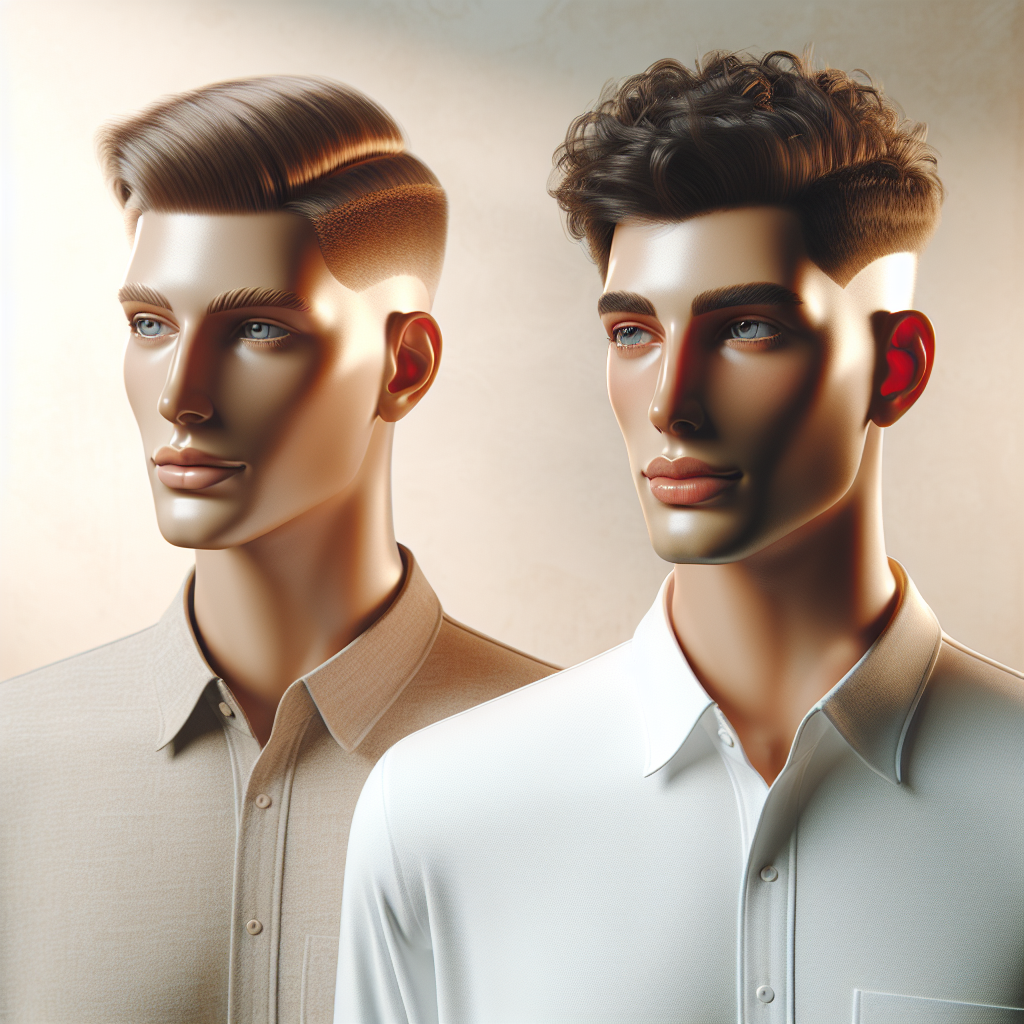
Considering a change in your hairstyle but not sure whether to go for a low taper or high taper cut? Choosing between these two versatile styles depends on your personal preference, face shape, and the type of look you want to achieve. Let’s dive deeper into what distinguishes these cuts, how they complement different features, and tips for selecting the one that fits you best.
Understanding the Low Taper vs High Taper
The terms low taper and high taper refer to how gradually the hair length decreases from the top of your head down to the sides and back. Both styles can enhance your appearance, yet they deliver distinctly different results. Knowing the key differences can help you make a well-informed decision.
Low Taper Cut
A low taper starts the tapering process just above the ears. This gradual blend into the hairline keeps more length around the upper part of your head. A low taper is subtle and stylish, perfect for those seeking a classic look that requires minimal maintenance. This style can be especially flattering for those with round or oval face shapes.
High Taper Cut
In contrast, a high taper starts higher on the head, usually around the temples. This creates a more striking transition between the longer hair on the top and the shorter sides and back. A high taper is great if you are looking for a bold and modern appearance. It’s particularly suitable for square or rectangular face shapes, accentuating angular features.
Choosing Between Low Taper vs High Taper
When deciding between a low taper vs high taper, consider how much maintenance you’re willing to invest. A high taper might require more frequent trims to maintain its sharp look, whereas a low taper can grow out more naturally. Additionally, think about your lifestyle and how your haircut will complement your day-to-day activities.
Do not forget to tailor your haircut based on other specific features you want to highlight or underplay. Personal style is key—ensuring that the haircut fits seamlessly with your wardrobe and demeanor will keep you looking and feeling great.
Achieving the Best Style for You
- Consult a trusted barber or stylist who understands your hair texture and personal style.
- Consider your hair growth pattern and how often you’re willing to visit the salon for upkeep.
- Try visuals and bring photos to your stylist to clearly convey the look you want.
If you’re interested in knowing how your overall grooming affects your appearance, exploring articles like signs your cleanser might be too weak may offer additional beauty insights.
For further understanding of hair and beauty maintenance, refer to trustworthy resources such as Wikipedia’s health section which provide broad educational insights.
Conclusion
Choosing between a low taper vs high taper ultimately depends on your personal style, the amount of maintenance you’re comfortable with, and how they suit your face shape. Both styles offer their unique charm and aesthetic, making it easy to tailor them to your individual preferences. When in doubt, consult with a professional stylist to explore possibilities that complement your lifestyle and enhance your natural features.
- Low tapers start further down, offering a subtle, classic look.
- High tapers provide a bold, modern aesthetic.
- Your face shape and lifestyle can guide your decision.
- Consider your stylist’s input for the best results.
- Maintenance level differs between the two styles.
FAQ
What is the main difference between a low taper and a high taper?
The main difference is where the tapering begins. A low taper starts just above the ears, while a high taper begins higher up near the temples, creating a more dramatic effect.
Which taper style is easier to maintain?
A low taper is generally easier to maintain as it grows out more naturally and requires fewer trims compared to a high taper, which needs frequent maintenance to keep its defined shape.
How do I know which taper suits my face shape?
Low tapers are typically more suitable for round or oval face shapes as they offer balance, while high tapers flatter square or rectangular faces by highlighting angular features.
Can I still achieve a high taper with curly hair?
Yes, a high taper can work well with curly hair, but it’s important to find a stylist experienced with curls to ensure the taper blends seamlessly with your hair’s natural texture.
Will a taper haircut affect my hair’s natural growth pattern?
While a taper won’t change how your hair grows, the maintenance required can vary depending on your hair growth rate. Regular visits to your stylist can help maintain the look.