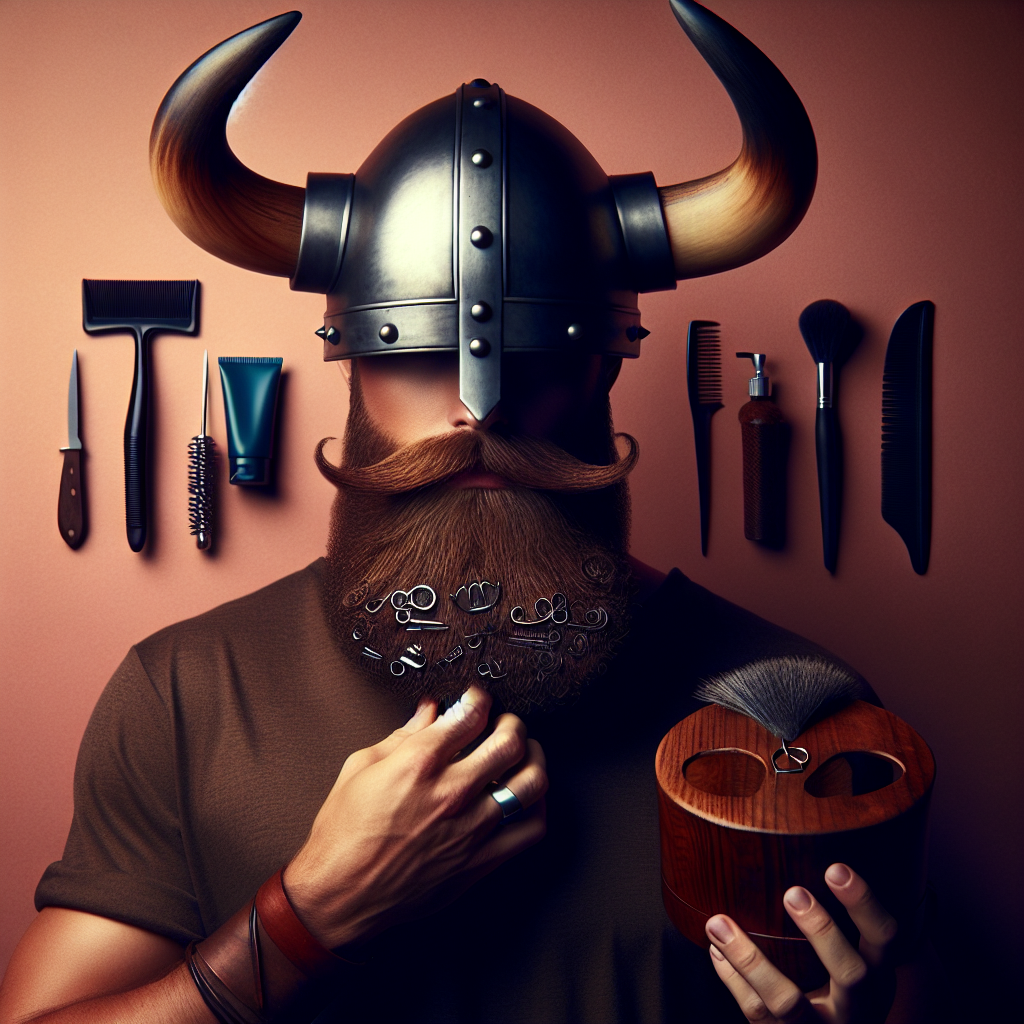
In recent years, the rugged and powerful image of Viking beard styles has captured the imagination of those looking for a distinctive and bold new look. This resurgence isn’t just about facial hair but embodies a lifestyle and attitude that dates back centuries to the days when Vikings roamed the seas. Let’s explore how you can adopt these iconic styles to channel a fierce, timeless aesthetic.
The Allure of Viking Beard Styles
Viking beards are more than just about length or thickness; they are a statement of strength and personality. These styles have been revered for showcasing virility and valour, characteristics deeply ingrained in Norse culture. While modern-day adaptations cater to contemporary tastes, the core appeal remains unchanged.
Classic Full Beard
The classic full beard, often seen in historical depictions of Viking warriors, is synonymous with the Viking beard style. To achieve this bold look, allow your beard to grow out naturally, trimming it only to maintain shape and health. This style requires patience and care, emphasizing a blend of ruggedness and refinement.
Braided Beard
Braided beards are perhaps the most visually distinct of Viking beard styles. Not just functional, braiding can protect facial hair during battle and harsh weather, making it as practical as it is appealing. To try this yourself, section your beard and twist into tight braids, securing them with small, subtle ties.
Short Viking Beard
For those seeking a Viking-inspired look without the commitment to a long beard, the short Viking beard offers a great balance. Maintain a clean, yet robust appearance by keeping the sides short and leaving length towards the chin. This style highlights the jawline and adds a modern twist to traditional Viking beards.
The Tapered Beard
The tapered beard blends classical Viking elements with contemporary grooming practices. Here, the beard tapers gradually from a fuller bottom to neatly trimmed sides, creating a refined appearance. This style works particularly well for those with a strong jawline and is perfect when paired with a neatly styled mustache.
Styled Goatee with Mustache
For a unique twist on Viking allure, consider a goatee complemented by a robust mustache. This look accents the chin and provides a distinctive edge. Remember, even smaller styles require proper grooming and care for a polished Viking-inspired appearance.
Choosing the Right Style for You
While all Viking beard styles exude confidence and strength, selecting the right style depends on several personal factors, including your face shape, beard growth pattern, and maintenance preferences.
Face Shape Considerations
Your face shape is a pivotal factor in deciding which Viking style will suit you best. For instance, a full beard can balance a round face, while a tapered beard might accentuate a square jawline. Experiment with different styles to see which aligns best with your natural features.
Maintenance and Care
Viking beards, like any other beard style, require ongoing care. This typically includes regular washing, conditioning, and occasional trimming to keep the beard looking luscious and feeling soft. Using oils and balms designed for facial hair can also enhance its health and manageability.
If you are concerned about hair health or beard growth, consider our insights on how different factors such as steroids may affect hair loss.
Inspiration from Historical and Pop Culture
Numerous historical figures and pop culture icons have popularized the Viking beard styles we admire today. Characters in TV series such as “Vikings” have brought these styles back into the spotlight, sparking renewed interest and creativity among fans and grooming enthusiasts.
Historical Influence
Historically, Viking beards were a sign of maturity and social status. Ancient Norse culture valued strength and masculinity, elements that beards symbolized. This legacy continues to inspire those seeking to emulate the strength and resilience of Norse warriors.
Pop Culture Icons
Characters like Ragnar Lothbrok have played a significant role in bringing Viking beard styles into mainstream fashion. Through their strong screen presence, these characters showcase the versatility and enduring appeal of Viking-inspired grooming.
Conclusion: Embrace Your Inner Viking
Whether you opt for a full beard, a short style, or something more intricate like braids, Viking beard styles offer a powerful way to express individuality and confidence. As you embark on your grooming journey, remember that these styles are not just about appearance but resonate with a deep cultural heritage and strength.
For more in-depth understanding of historical grooming practices, visit Wikipedia’s article on Viking history.
- Viking beards symbolize strength and masculinity.
- Choose a style that complements your face shape.
- Proper grooming is essential for maintaining these iconic looks.
- Braiding beards can add a unique twist to your style.
- Pop culture has revitalized interest in Viking beard styles.
What Are Viking Beard Styles?
Viking beard styles are distinctive facial hair styles inspired by the historical Norse warriors known for their strength and virility. These styles often feature full, voluminous beards with creative elements such as braiding.
How Do I Maintain a Viking Beard?
Maintaining a Viking beard requires regular trimming, washing, and conditioning. Using beard oils and balms can help keep your beard healthy and manageable.
Which Face Shapes Suit Viking Beard Styles?
Most face shapes can accommodate Viking beard styles, with adjustments made for length and volume. Trying different styles can help determine the best fit for one’s facial structure.
Do All Viking Styles Require Long Beards?
Not all Viking styles require long beards. Short Viking beards and styled goatees offer variations for those preferring less extensive facial hair.
Did Historical Vikings Always Wear Beards This Way?
Beards were indeed significant in Viking culture for identity and social status, but individual styles may have varied based on region and craftsmanship of the era.