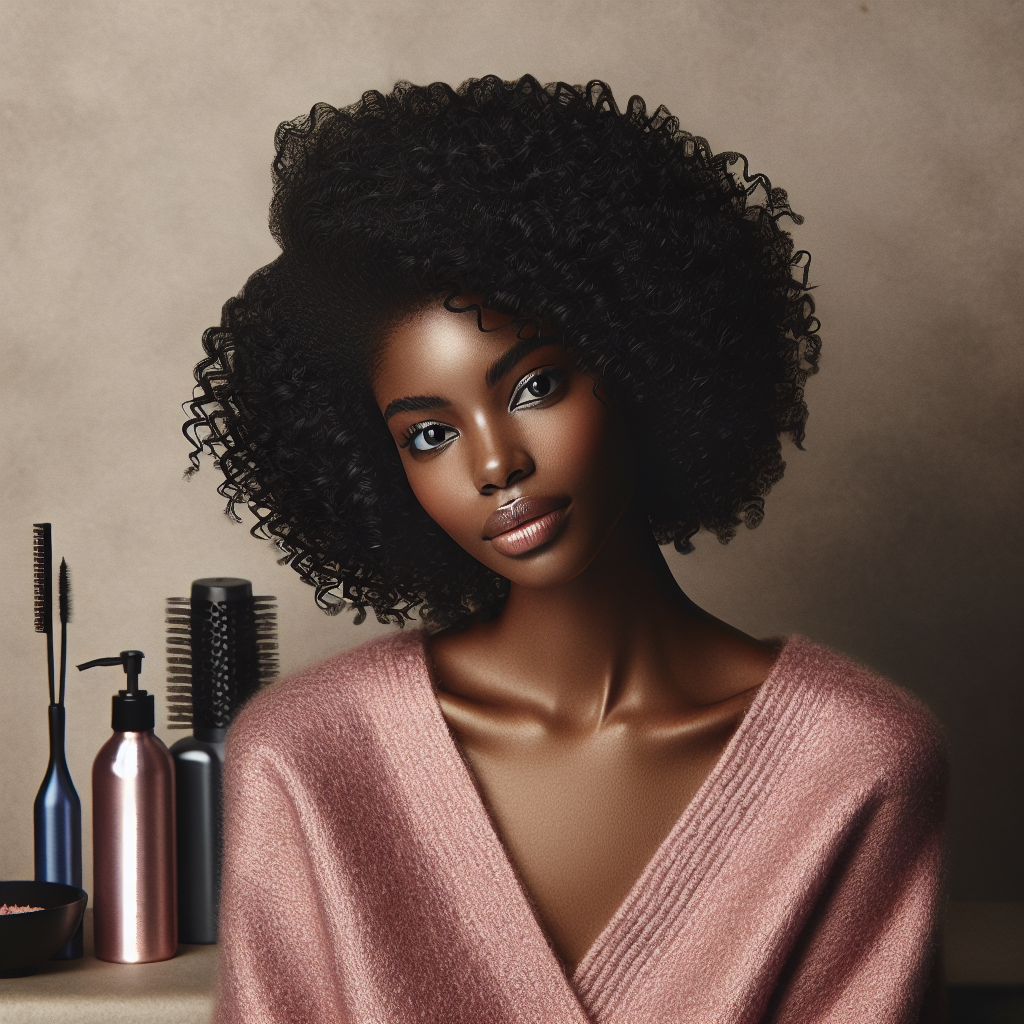
Embracing and understanding the beauty of black hair texture is essential for celebrating its unique characteristics and versatility. Each strand tells a story of heritage and personal expression, as black hair comes in various patterns and textures, ranging from coily to curly. Due to its diverse nature, black hair texture requires specific care and styling techniques to maintain its health and vitality. In this article, we will explore its captivating features, care routines, and styling tips to enhance its natural beauty.
Understanding Black Hair Texture
Black hair texture varies significantly among individuals, with most people having a combination of more than one texture. This diversity stems from the hair’s shape at the follicle and the way the keratin proteins in the strand are structured. Understanding these elements is crucial for selecting the appropriate hair care products and techniques.
The classification of hair texture into different types—such as Type 3 (curly) and Type 4 (coily)—helps in identifying the best management practices. Each type provides distinct benefits and challenges, making it important to recognize what works best for each specific texture.
Caring for Black Hair
Caring for black hair texture involves using hydrating products that provide moisture and nourishment. Due to its naturally coarser nature, black hair tends to be more prone to dryness. Incorporating products that add moisture can prevent breakage and encourage healthy growth.
Protective styling is another key aspect of maintaining black hair health. Styles such as braids and twists not only offer versatility but also help in reducing daily damage and promoting moisture retention. For more tips on how to choose hair care products, consider reading our guide on selecting the best hair care products.
Styling Techniques for Black Hair Texture
When styling black hair texture, it is important to embrace its versatility. From maintaining natural curls to experimenting with updos, the options are endless. Key styling tips include using non-damaging tools and techniques that enhance, rather than suppress, the hair’s natural texture.
Heat styling can provide flexibility in achieving different looks but should be used sparingly to avoid hair damage. Adopting heat-free methods, such as twisting and bending, can create beautiful curls and waves while preserving the hair’s health.
The Role of Education and Representation
Continuing education and increasing representation in media and fashion can positively impact the perception of black hair texture. Embracing natural hair movements signals broader acceptance of diversity in beauty standards and encourages people to embrace their authentic selves.
Exposure to a variety of hairstyles, textures, and traditional practices contributes to a deeper appreciation of black hair’s beauty and resilience. Educational campaigns and resources play a pivotal role in transforming societal attitudes and fostering inclusivity.
A more detailed discussion on the societal impact and scientific aspects can be found on reputable sources such as the article on health on Wikipedia.
By understanding and embracing the distinct characteristics of black hair texture, individuals can make informed decisions that enhance beauty and confidence. From selecting the best products to adopting protective styling techniques, the journey of caring for black hair can be both fulfilling and empowering.
Takeaways
- Black hair texture is diverse, featuring different patterns and characteristics.
- Proper care involves moisturizing and protective styling to maintain health.
- Education and acceptance are crucial for promoting diversity in beauty.
- Tools and techniques should enhance rather than damage natural textures.
- Media representation helps change perceptions and encourages inclusivity.
FAQs
What are some common types of black hair textures?
Common types include curly (Type 3) and coily (Type 4), with further subcategories highlighting curls’ tightness or looseness.
How often should I moisturize black hair?
Moisturizing black hair should be done regularly, typically every few days, depending on dryness and environmental factors.
What are some protective styles for black hair?
Protective styles include braids, twists, and buns, which help reduce daily wear and tear while maintaining moisture.
How can I reduce heat damage on black hair?
Minimize the use of heat styling tools, incorporate heat protectants, and try heat-free styling options when possible.
Why is representation important in the context of black hair?
Representation fosters an inclusive culture that celebrates diversity in beauty and promotes acceptance of natural hair textures.