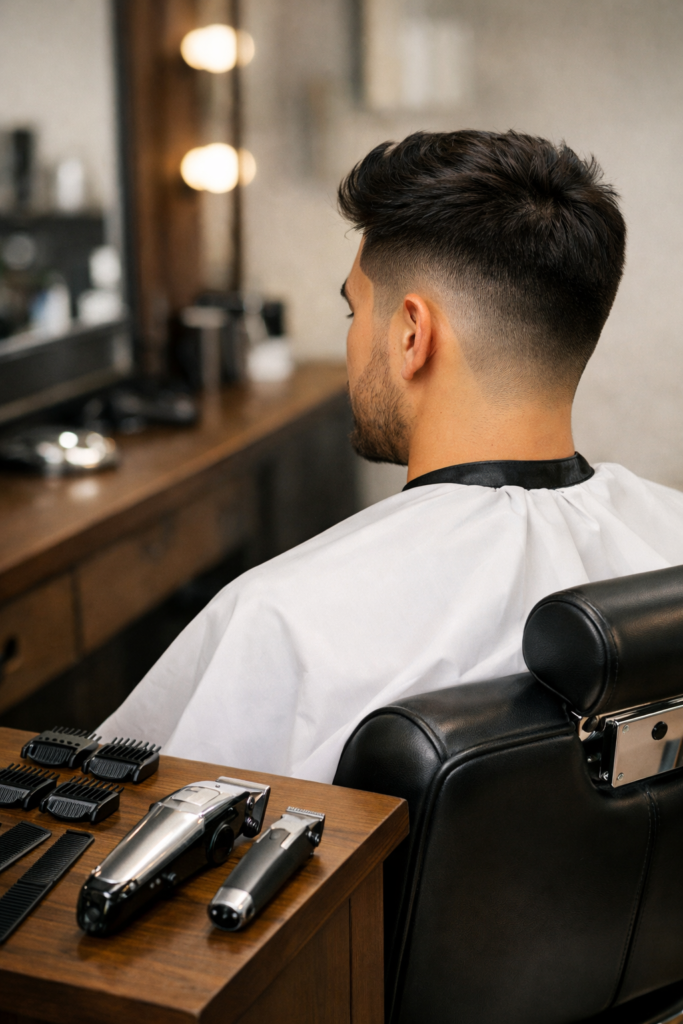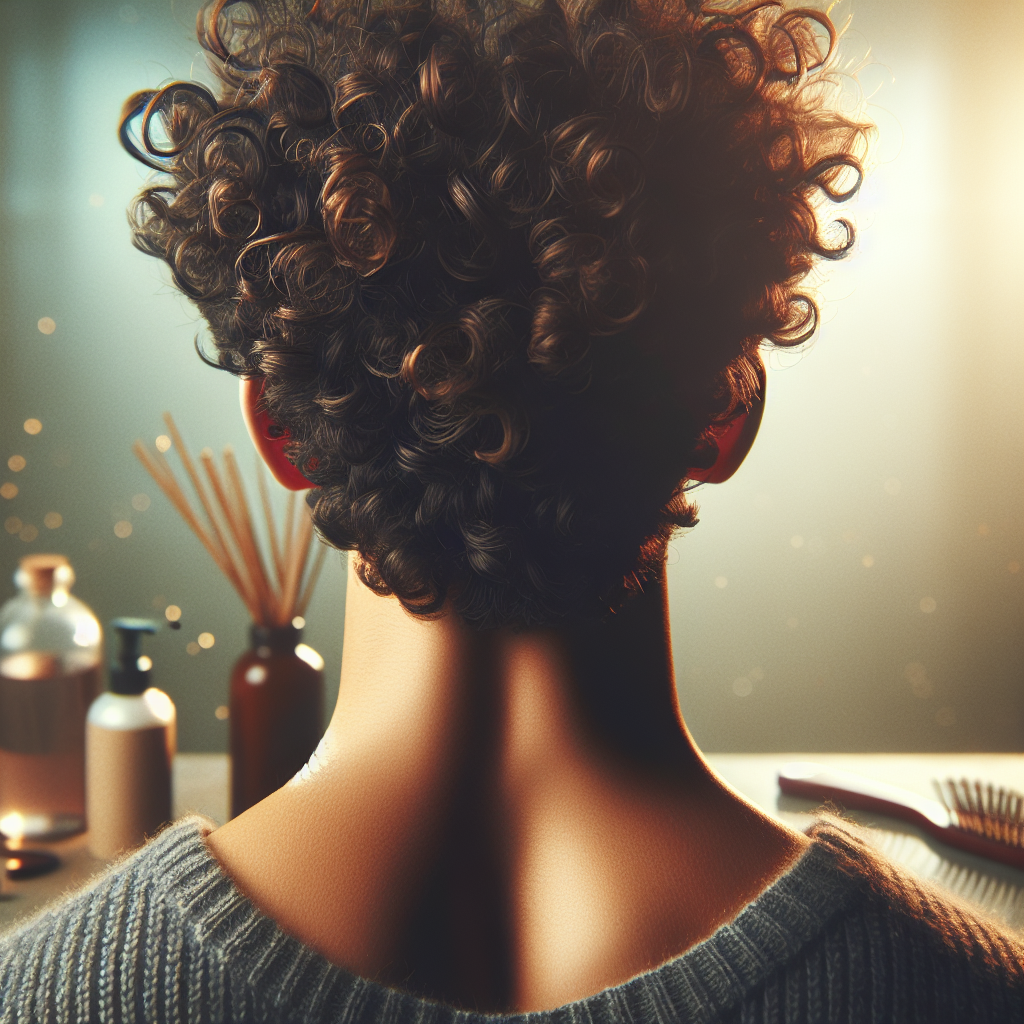
Embracing your natural hair texture can be an exciting journey of self-discovery and confidence. When it comes to the types of curly hair for guys, understanding your hair type is the first step in achieving the style and look you desire. Curly hair is unique in its structure and care needs, and with the right approach, you can make the most of your curls.
Types of Curly Hair for Guys
Curly hair for guys is often categorized into different types based on curl pattern, porosity, and density. Understanding these aspects helps in choosing the right hair care products and styling techniques. Generally, curl types are classified into four main categories: wavy, curly, coily, and kinky. Each type has its own subcategories that further define the curl pattern.
Wavy Hair
Wavy hair, or type 2, typically forms an ‘S’ shape and has a slight bend. It’s known for its versatility, often holding styles easily without much product. This type is further divided into three subcategories:
- Type 2A: Loose, fine waves that are easy to manage and style. They often require minimal maintenance.
- Type 2B: Slightly defined waves usually accompanied by some frizz. These waves are more texturized.
- Type 2C: Thick, coarse waves that are prone to frizz but capable of maintaining different styles.
Curly Hair
Type 3 curly hair is characterized by full, defined curls. It bounces easily but can become frizzy without proper care. The subtypes are:
- Type 3A: Loose, big curls that have a distinct shine and smooth texture.
- Type 3B: Tighter curls with more volume, often requiring more moisture to keep defined.
- Type 3C: Densely packed curls that are coarse and need hydration to prevent dryness.
Coily Hair
Coily, or type 4 hair, is characterized by tight curls or kinks. This type of hair generally requires extra moisture and care:
- Type 4A: Soft but dense curls that form tight loops.
- Type 4B: Curls that have a ‘Z’ pattern with sharp angles and less defined coiling.
- Type 4C: Curls with no defined curl pattern, often very tight and delicate.
Caring for Curly Hair
Caring for curly hair involves understanding your hair’s needs for hydration and maintenance. Use a sulfate-free shampoo to avoid stripping natural oils and look for conditioners rich in natural oils and butters. Regular deep conditioning treatments can provide the necessary moisture to keep curls healthy.
Choosing the right tools is also crucial. To know more about the best brushes for different hair types, check out our guide on how to choose a hairbrush.
Tips for Styling Curly Hair
- Work with Damp Hair: Apply styling products when your hair is damp—not dripping wet—to help curls retain moisture.
- Try the Wash and Go Method: After applying product, let your hair air dry for a natural look.
- Use Satin or Silk Pillowcases: This reduces friction and prevents breakage while you sleep.
Understanding the different types of curly hair for guys can help you make informed decisions about hair care and styling. By embracing your natural texture and adopting a tailored hair care routine, you can enjoy healthy, vibrant curls.
- Identify your curl type to choose the right hair care products.
- Regular moisturizing and conditioning are essential for healthy curls.
- Satin and silk accessories can reduce hair frizz.
FAQ
What products are best for curly hair?
Look for products that are moisturizing and free from harsh chemicals. Use a leave-in conditioner, curl cream, and a gentle and nourishing shampoo.
How often should I wash my curly hair?
Curly hair generally benefits from less frequent washing. Aim for once or twice a week to maintain moisture and prevent dryness.
Should I trim my curls regularly?
Yes, regular trims can help manage split ends and keep your curls looking fresh and healthy.
How can I prevent frizz in my curly hair?
Using anti-frizz serums, avoiding excessive heat, and sleeping on silk pillowcases can help keep frizz at bay.
Where can I learn more about hair care for men?
For further information, you can explore resources like this comprehensive guide on health and personal care.