Burn scars can be a constant reminder of past injuries, but understanding how to get rid of burn scars can empower you to restore your skin’s appearance and boost your confidence. If you’re struggling with these scars, there are effective strategies that may help fade them over time while enhancing the overall health of your skin.
How to Get Rid of Burn Scars: Effective Solutions
The journey to minimizing burn scars usually involves a combination of home remedies, over-the-counter products, and professional treatments. Here’s a guide to some commonly used methods.
1. Topical Treatments
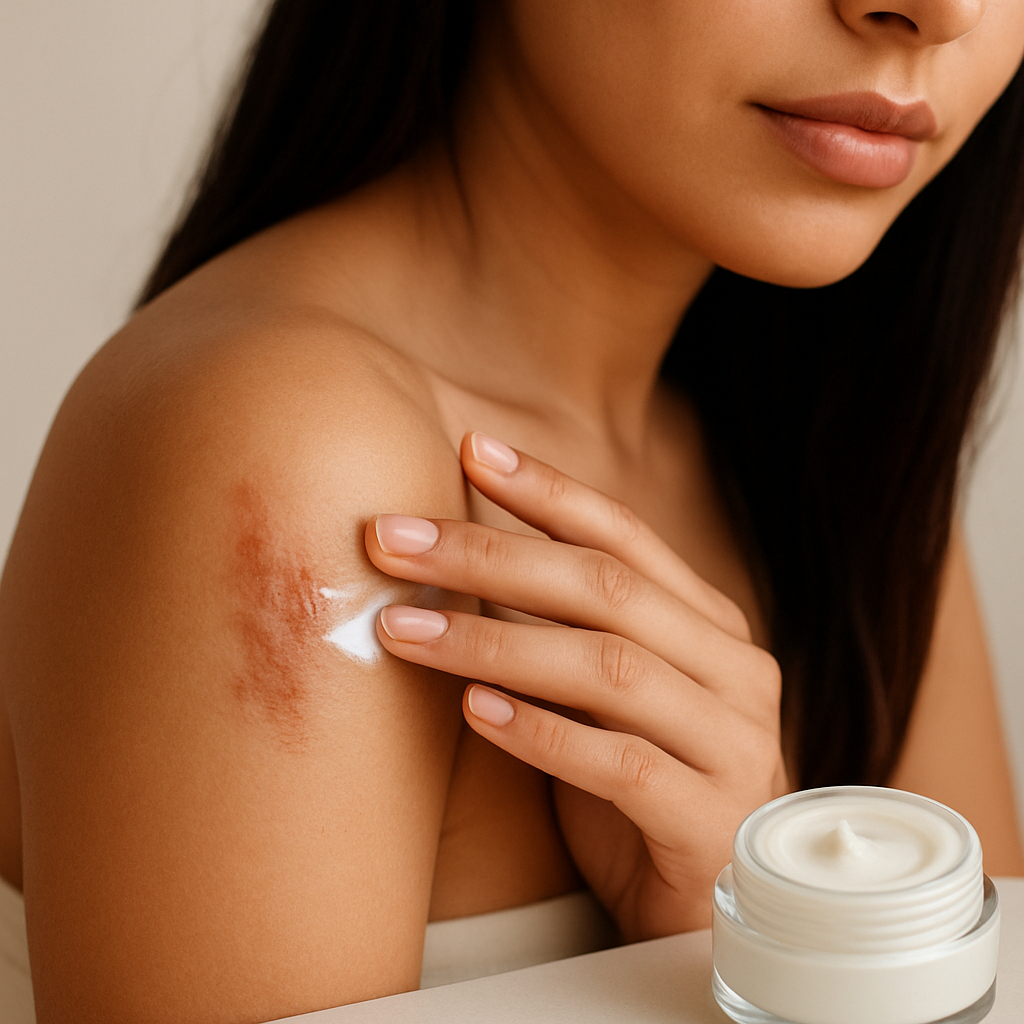
Using topical treatments can be one of the first steps in addressing burn scars. Products containing ingredients like silicone gel can help reduce scar thickness and enhance the skin’s appearance. Aloe vera, with its soothing properties, is also widely used. It’s important to follow the directions on these products and use them regularly for optimal results.
Retinoids, often found in skincare products, may also aid in skin renewal and help lighten scars over time. Be consistent in your application and consider seeking professional advice to ensure these treatments suit your skin type.
2. Natural Remedies
For those interested in natural approaches, some oils like coconut and rosehip oil are believed to promote skin healing and improve texture. While these may not provide dramatic results, they can still be a gentle addition to your scar-fading regimen. Always test these remedies on a small skin area to check for allergies.
3. Professional Procedures
If topical and natural remedies aren’t providing the desired results, consider professional treatments. Options such as laser therapy, microdermabrasion, and chemical peels can target deep or stubborn scars effectively. These procedures should be performed by a licensed dermatologist who can tailor treatments to your individual needs.
An additional safe practice involves using dermarolling, where tiny needles are rolled over the skin to stimulate collagen production. This should always be conducted by a trained professional to minimize risks.
4. Lifestyle and Skin Care
Overall skin health significantly impacts scar healing. Maintain a routine that includes cleansing, moisturizing, and applying sunscreen daily. For more insights on a comprehensive skincare routine, check out our guide to the ultimate nighttime skincare routine.
Hydration is also crucial. Drinking plenty of water helps keep the skin hydrated and promotes elasticity, which is beneficial for scar management. Eating a balanced diet rich in vitamins and minerals supports skin renewal as well.
Common Treatments and Their Efficacy
Several treatments have been studied for their effectiveness in scar reduction:
- Massage Therapy: Regular massage can aid in breaking down the dense collagen bundles in scars, softening the tissue.
- Compression Therapy: Wearing pressure garments can compress the scar tissue, potentially reducing thickness and improving appearance over time.
- Injectables: Steroid injections or fillers can be used to flatten or plump up the scar areas, but should be administered by an experienced practitioner.
Learn more about overall health and its impact on skin healing.
Psychosocial Considerations
Living with burn scars can have emotional and psychological effects. Support groups and professional counseling may provide emotional support and help you develop coping strategies. Remember, seeking help is a positive step in managing the impact of visible scars on mental well-being.
Understanding how to get rid of burn scars requires a multi-faceted approach. Combining topical treatments, natural remedies, and lifestyle adjustments with professional procedures offers the best chance for noticeable improvement. Patience is key, as skin and scars alike need time to heal and improve.
- Topical and natural remedies can be effective for fading scars.
- Professional treatments may offer more dramatic results.
- Consistent skincare and healthy lifestyle choices support healing.
- Emotional support can be beneficial in managing the impact of scars.
Frequently Asked Questions
Can burn scars be completely removed?
While it’s challenging to completely remove burn scars, various treatments can significantly reduce their appearance. Consulting a dermatologist can provide solutions tailored to your needs.
Is it safe to use natural oils on burn scars?
Yes, as long as you aren’t allergic to the oils used. Perform a patch test before applying them to larger areas to ensure they suit your skin.
How soon should I start treating a burn scar?
It’s best to start treatment after the burn has fully healed to avoid irritation or infection. Consult a healthcare provider for appropriate timing and treatment options.
Are there any dietary changes that can help with scar healing?
A diet rich in vitamins C and E, along with sufficient protein, can support skin health and repair. Drinking plenty of water helps maintain skin hydration.
When is professional treatment recommended for burn scars?
If over-the-counter and home remedies have not delivered satisfactory results, consider professional treatments. A dermatologist can advise on the most suitable options for your specific scar type.