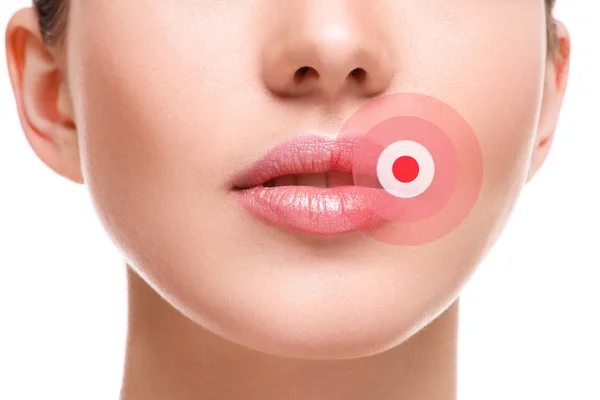
Dealing with scabs can be a frustrating experience, especially when you’re eager for your skin to heal smoothly and quickly. Understanding how to remove scabs safely is essential to promote skin health and minimize the risk of scarring. The balance between removing scabs and allowing natural healing is crucial, and there are several strategies that can help you achieve the desired outcome.
Understanding How to Remove Scabs Safely
Scabs form as part of the body’s natural healing process. They act as a protective barrier to wounds, preventing infection and aiding recovery. While the urge to pick at scabs may be strong, it is important to let them fall off naturally if possible. However, if they become too dry or bothersome, certain methods can assist in their safe removal.
The Healing Process
The body’s response to injury includes clotting blood to stop bleeding and forming a scab to protect the area. As the skin heals, it repairs tissues under the scab. Removing a scab prematurely can disrupt this process and increase the risk of infection and scarring.
Moisturization Is Key
Keeping the area moisturized can prevent scabs from becoming too dry and cracking. Using an ointment or a gentle moisturizer can support healing. Look for products with soothing ingredients like aloe vera or vitamin E to nourish and protect the skin beneath the scab.
Avoid Picking Scabs
It can be tempting, but picking at scabs can lead to scarring. Instead, allow the scab to fall off naturally once the skin has healed. If a scab is itching, gently tap around the area rather than scratching it.
Gentle Cleansing and Care
Maintaining a gentle cleansing routine helps keep the wound area clean, reducing potential for infection. Use lukewarm water and a mild soap. Avoid using harsh cleansers that might irritate the skin. If you are unsure whether your cleanser is appropriate, consider reading about how to tell if a cleanser is too weak.
Nutritional Influence
Proper nutrition plays a vital role in skin health and recovery. Vitamins A, C, and zinc are known to support skin healing. Incorporate foods high in these nutrients into your diet, such as citrus fruits, leafy greens, and lean proteins. Drinking plenty of water can also assist in maintaining skin elasticity and aiding the healing process.
When to Consider Help
If a scab exhibits signs of infection like redness, swelling, or excessive discharge, it’s crucial to seek medical attention promptly. Sometimes, what we perceive as a slow-healing scab may signal an underlying issue needing professional assessment.
For additional reliable information on health and skin care, you can refer to this detailed guide.
- Scabs protect the healing wound. Let them fall off naturally.
- Moisturize to maintain skin flexibility and promote healing.
- Avoid picking; it increases the chance of infection and scarring.
- Support healing with a nutrient-rich diet.
- Consult a healthcare provider if a scab shows signs of infection.
FAQs
What is the purpose of a scab?
A scab is a temporary crust that forms over a healing wound. It protects the underlying tissue from infections and facilitates skin repair beneath it.
Can I speed up scab removal?
While it’s best to allow a scab to detach naturally, keeping it moisturized and maintaining a healthy skin care routine can aid the process.
Are there any signs of trouble that require a doctor’s attention?
Yes, if you notice signs of an infection like increasing redness, warmth, discharge, or discomfort, it’s essential to seek medical advice.
Can dietary choices impact skin healing?
Absolutely. Consuming foods rich in vitamins A, C, and zinc can support faster and healthy skin recovery.
How do I know if my cleanser is suitable for sensitive skin?
Using a mild, non-irritating cleanser is crucial. You can find resources on evaluating your cleanser’s effectiveness by visiting our dedicated page on cleansers.
Learning how to remove scabs effectively while supporting overall skin health requires patience and practice. Remember to prioritize natural healing and seek professional guidance when necessary.