If you’re wondering how to treat dry scalp, you’re not alone. Many people experience dryness and flakiness that can cause discomfort and affect their confidence. Whether you’re dealing with mild irritation or more persistent dryness, understanding effective solutions for treating dry scalp can help you restore balance and comfort to your scalp while encouraging healthy hair growth.
How to Treat Dry Scalp Naturally
The first step in addressing a dry scalp is identifying the underlying causes. This could be anything from environmental factors like cold weather and low humidity to product buildup or even stress. Once you’ve pinpointed potential causes, it’s easier to explore targeted treatments.
Moisturizing Treatments
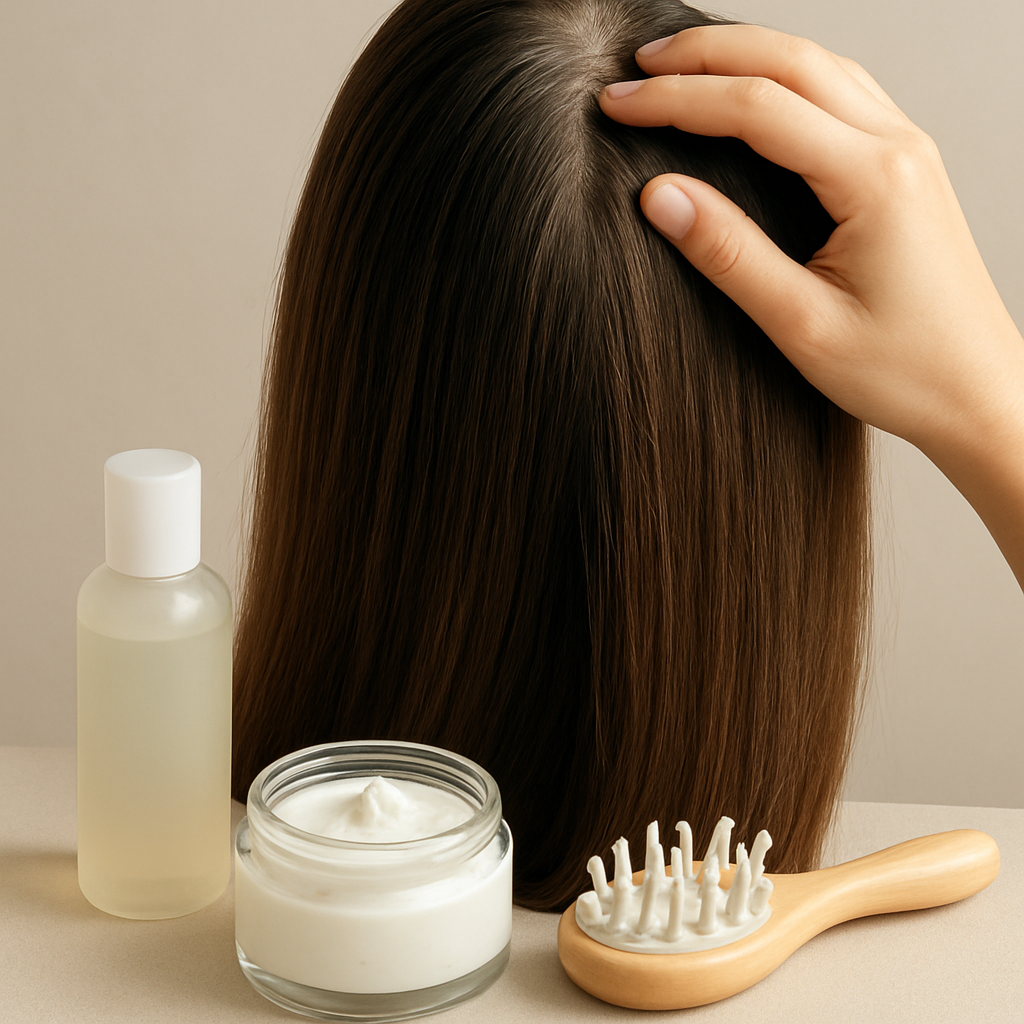
- Oil Massages: Oils such as coconut, olive, or jojoba oil can be massaged into the scalp to moisturize and nourish. Regular massages help stimulate blood circulation and improve scalp health.
- Aloe Vera: Known for its soothing properties, aloe vera can help reduce dryness and irritation. Simply apply the gel to your scalp and allow it to sit for 30 minutes before rinsing out.
Choosing the Right Hair Products
When considering how to fix dry scalp, it’s crucial to evaluate the hair care products you’re currently using. Choose shampoos and conditioners that are free from harsh sulfates and contain hydrating ingredients. You might also find it helpful to learn about what soap to use to professionally wash your hair as a guide to making informed choices.
Home Remedies and Dietary Modifications
Some home remedies may offer relief. For instance, a mixture of apple cider vinegar and water can help balance the scalp’s pH and reduce flakiness when used as a rinse. Additionally, maintaining a balanced diet rich in omega-3 fatty acids, zinc, and vitamins E and D might support overall scalp health.
Over-the-Counter Solutions
If natural methods are not working, over-the-counter treatments like medicated shampoos containing ingredients such as ketoconazole, selenium sulfide, or salicylic acid can help. Always heed the instructions and consider consulting with a healthcare provider or dermatologist if your symptoms persist.
When to See a Professional
If you’re still asking yourself, “How do I cure dry scalp?” despite trying these solutions, it might be time to consult a dermatologist. Persistent dryness, severe itching, or open sores could be signs of a more serious skin condition, such as psoriasis or seborrheic dermatitis, which requires professional care. You can find more detailed information about scalp conditions and treatments by visiting resources like the Health page on Wikipedia.
Long-Term Care for a Healthy Scalp
Consistency is key to maintaining a healthy scalp long term. Adopting a regular hair care routine that incorporates moisturizing and protective measures can prevent future issues. Wearing a hat in harsh weather conditions, using a humidifier during dry seasons, and avoiding overly hot showers can also help maintain scalp moisture.
In conclusion, understanding how to treat dry scalp effectively involves a combination of self-care practices, thoughtful product selection, and possibly medical intervention. By addressing this issue correctly, you can enjoy healthier, more vibrant hair.
- Identify and address the root causes of dry scalp.
- Incorporate moisturizing and hydrating treatments regularly.
- Choose hair care products designed for dry scalp relief.
- Seek professional guidance for persistent symptoms.
- Adopt long-term care strategies for ongoing scalp health.
FAQs
What are the common causes of dry scalp?
Dry scalp can be caused by several factors, including environmental conditions, harsh hair care products, dehydration, and stress.
Can diet impact dry scalp?
Yes, a diet lacking in essential nutrients like omega-3 fatty acids, zinc, and vitamins E and D can contribute to dry scalp.
Should I avoid washing my hair too often?
Washing your hair excessively can strip natural oils, worsening dry scalp. Aim for a balanced routine that cleanses without over-drying.
Are there any home remedies for dry scalp?
Yes, home remedies like aloe vera, coconut oil massages, and apple cider vinegar rinses can provide relief from dry scalp.
When should I see a doctor for dry scalp?
If you experience persistent dryness, severe itching, or sores, consult a dermatologist for a comprehensive evaluation and treatment plan.