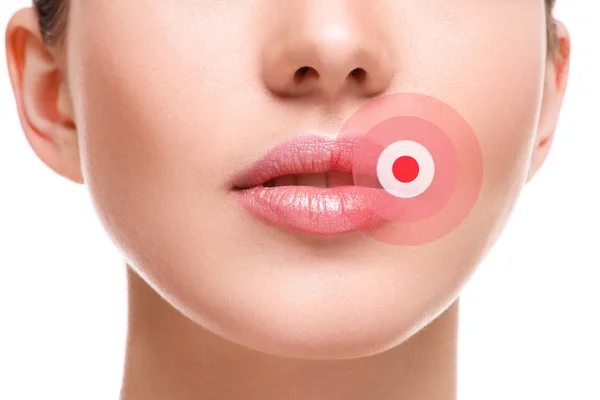
Dealing with a cold sore in nose can be uncomfortable and may cause a significant amount of misery. Cold sores, also known as fever blisters, are typically caused by the herpes simplex virus (HSV-1) and can appear both inside and outside the nose. Understanding how to manage these outbreaks and minimize symptoms is crucial for comfort and health.
Understanding Cold Sore in Nose
Cold sores are a common ailment and often appear on the lips or around the mouth, but they can also occur inside the nose. This occurrence is due to the herpes simplex virus, which lies dormant in nerve tissues and can be triggered by various factors like stress, fatigue, or exposure to sunlight.
What Causes Herpes Inside the Nose?
Herpes inside the nose is most commonly triggered by the herpes simplex virus type 1 (HSV-1), although herpes simplex virus type 2 (HSV-2), more often associated with genital herpes, can occasionally cause facial infections. Infections can be transmitted through direct contact with an infected person. Once infected, the virus remains in the body and can reactivate under stress or a weakened immune system.
Symptoms of Nasal Cold Sores
The symptoms associated with cold sores in the nose include itching, burning sensations, and small, painful blisters filled with fluid. These blisters eventually break and form a crusty scab as they heal. Sometimes, individuals may also experience fever, swollen lymph nodes, and other flu-like symptoms during an outbreak.
Managing Cold Sore in Nose Effectively
While there is no cure for herpes, several remedies and treatments can help manage the symptoms and reduce the frequency of outbreaks. Here are some strategies you might consider:
Over-the-Counter Treatments
Several topical creams and ointments are available to help alleviate the symptoms of cold sores. These typically contain antivirals which can help shorten the duration of an outbreak. Pain relievers like acetaminophen or ibuprofen can also help with discomfort.
Prescription Treatments
For some individuals, doctors might prescribe antiviral medications, such as acyclovir, valacyclovir, or famciclovir. These medications are most effective when taken at the first signs of an outbreak and can help reduce the severity and frequency of symptoms. It’s important to consult a healthcare provider to determine the most appropriate treatment for your situation.
Natural Remedies
Some natural remedies and lifestyle changes might help manage herpes symptoms. L-lysine supplements are sometimes used with the belief that they may reduce outbreak frequency. Although the evidence is mixed, some people find relief with topical herbal treatments such as lemon balm or aloe vera.
Nutritional Support and Lifestyle Changes
Boosting your immune system through a healthy diet and regular exercise may also help in managing cold sore outbreaks. Foods rich in vitamins C and E, such as fruits, vegetables, nuts, and seeds, may support overall immune function.
Prevention and Long-Term Management
Here are some tips to prevent cold sores and manage them long-term:
- Protect your skin from excessive sun exposure by using sunscreen or lip balm with SPF.
- Avoid sharing personal items like towels, lip balm, or eating utensils with others during an outbreak.
- Keep stress in check through relaxation techniques such as yoga or meditation.
- Strengthen your immune system by maintaining a balanced diet and regular sleep schedule.
For more tips on managing cold sores, consider exploring how pimple patches might help reduce the appearance of cold sore blisters.
Get More Information About Herpes
For more detailed information about herpes, cold sores, and current treatment methodologies, you can visit this comprehensive health resource.
In conclusion, managing a cold sore in nose requires understanding the condition, using appropriate treatments, and incorporating lifestyle changes to minimize outbreaks. Continuous research and open communication with a healthcare provider are key in effectively handling herpes-related complications.
- Cold sores in the nose are triggered by the HSV-1 virus.
- Treatment options include over-the-counter creams and prescription antivirals.
- Natural remedies can provide symptom relief, though evidence may vary.
- Prevention strategies are crucial to minimize outbreaks.
- Consult healthcare professionals for personalized management plans.
What causes cold sores to appear inside the nose?
Cold sores inside the nose are usually caused by the herpes simplex virus that becomes active under specific triggers like stress or a weak immune system.
How long do nasal cold sores usually last?
Nasal cold sores typically last between 7 to 10 days. Symptoms can be alleviated with proper treatment and care.
Are over-the-counter treatments effective for nasal cold sores?
Yes, over-the-counter treatments can help in reducing symptoms and speeding up the healing process of nasal cold sores, though results may vary among individuals.
Can lifestyle changes help manage herpes symptoms?
Yes, lifestyle changes such as boosting your immune system through nutrition, reducing stress, and maintaining overall health can help in managing herpes symptoms and reducing outbreaks.
Is it safe to use natural remedies for cold sores?
Natural remedies can be safe for many people, but their efficacy can vary. It is always best to consult with a healthcare provider before trying new treatments, especially if you have underlying health conditions.