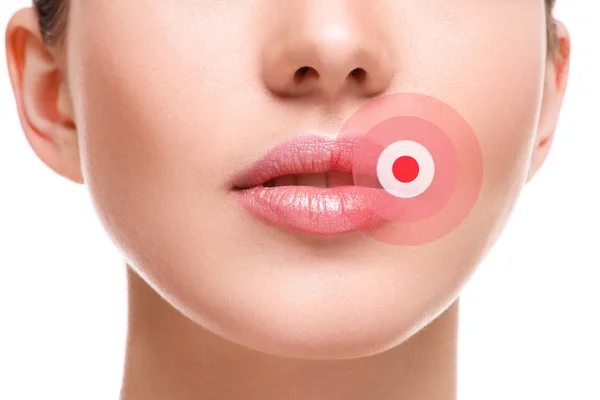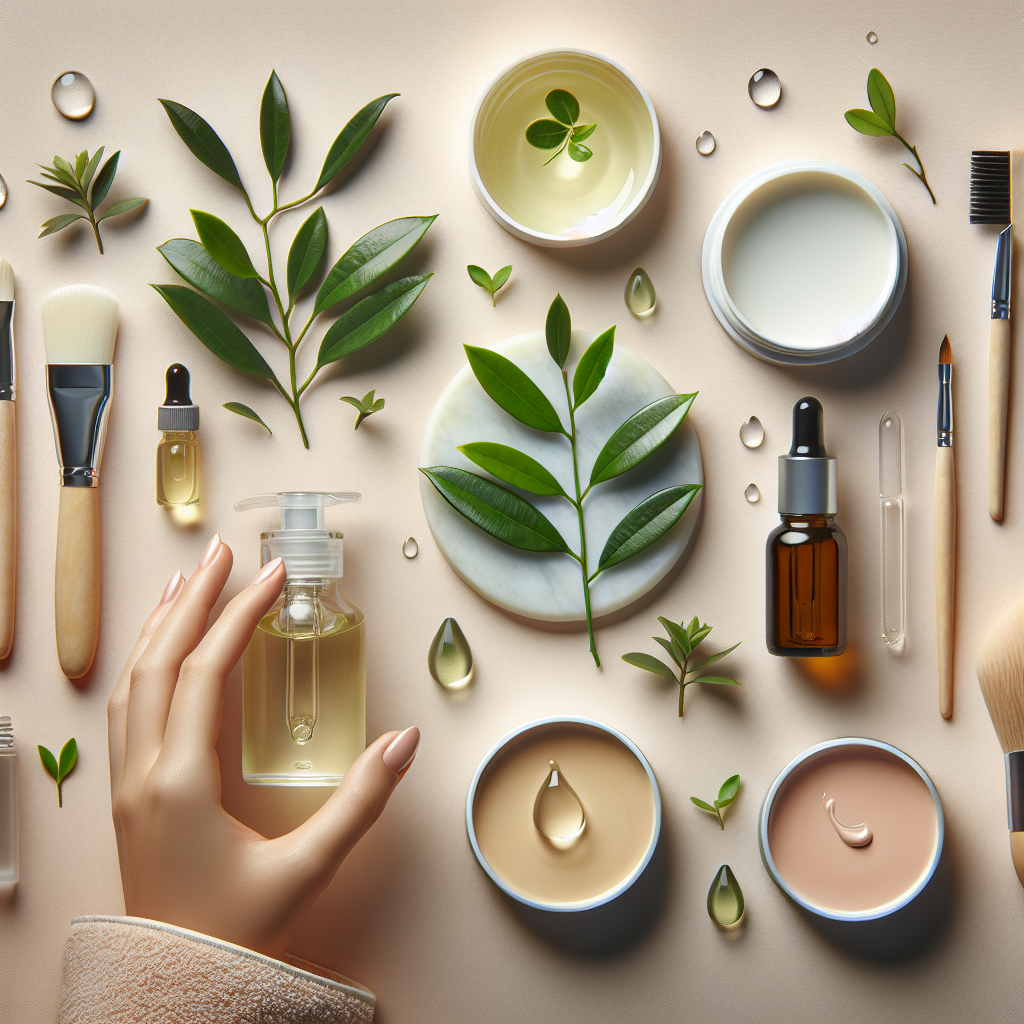
When exploring natural solutions for skin and health concerns, you might ask: what is tea tree oil good for? This versatile essential oil, extracted from the leaves of the Melaleuca alternifolia plant, offers numerous potential benefits. Known for its antibacterial, anti-inflammatory, and antifungal properties, tea tree oil is a popular remedy in home and natural medicine.
What Is Tea Tree Oil Good For?
Tea tree oil’s main appeal lies in its potential to treat various skin conditions. Its antibacterial qualities make it a common choice for addressing acne. By helping to reduce levels of bacteria on the skin, tea tree oil may help decrease the prevalence of acne breakouts. Additionally, its anti-inflammatory effects could help soothe irritated skin.
Moreover, this essential oil is utilized for its antifungal properties, which may be effective in treating athlete’s foot, nail fungus, and other fungal infections. Some skincare products harness its potential to alleviate conditions such as eczema and psoriasis, although more research may be needed to fully understand these benefits.
Beyond skincare, tea tree oil is touted for its ability to enhance overall health. Its antimicrobial characteristics make it a natural choice for homemade cleaning solutions, potentially reducing household bacteria without harsh chemicals.
Benefits of Tea Tree Oil for Hair Care
Tea tree oil is not only beneficial for the skin but also for hair care. It may promote a healthy scalp by addressing issues such as dandruff and dry skin. By helping to manage bacteria and fungi, tea tree oil can reduce scalp irritation and flakiness. It may also promote hair growth by helping to keep the scalp clean and free from infections, paving the way for healthier strands.
For those interested in discovering how to incorporate tea tree oil into their hair care routine, learn more about effective products and techniques by exploring our guide to choosing the best products for hair care.
Using Tea Tree Oil Safely
While tea tree oil boasts numerous benefits, it’s important to use it safely. This essential oil is potent and should be diluted with a carrier oil before applying it to the skin to avoid irritation. Performing a patch test on a small skin area is recommended to check for allergies or adverse reactions. Furthermore, tea tree oil is for external use only and should not be ingested as it can be toxic internally.
If you are pregnant, nursing, or have specific health conditions, consulting with a healthcare provider before using tea tree oil is advisable. As with any remedy, individual reactions can vary, and professional insights can help tailor treatments safely.
Conclusion: The Versatility of Tea Tree Oil
In summary, what is tea tree oil good for? It is heralded for its potential to support skin health, promote a healthier scalp, and aid in maintaining a cleaner home environment. While its benefits are celebrated, using tea tree oil responsibly ensures safety and effectiveness. Whether tackling acne or reducing dandruff, this natural remedy offers a myriad of possibilities.
- Tea tree oil has potential antibacterial, antifungal, and anti-inflammatory properties.
- It may help treat acne, dandruff, and minor fungal infections.
- Safe usage requires dilution with a carrier oil and proper testing for skin sensitivity.
- Consult a healthcare provider for personalized advice on using tea tree oil effectively.
- Explore further information on tea tree oil for a comprehensive understanding of its uses.
FAQs
What conditions might benefit from tea tree oil?
Tea tree oil may be used to treat acne, dandruff, and certain fungal infections like athlete’s foot and nail fungus. Its antimicrobial properties offer potential relief for these conditions.
How should tea tree oil be applied to the skin or hair?
Always dilute tea tree oil with a carrier oil before topical use. This includes applying it to the skin or adding it to shampoos for scalp treatments. Conduct a patch test if you’re using it for the first time.
Can tea tree oil cause allergic reactions?
Yes, some individuals may experience allergic reactions. Applying a small amount to a skin patch can help determine if you are sensitive to tea tree oil. Discontinue use if irritation occurs.
Is tea tree oil safe for everyone?
While generally safe for most people, pregnant or breastfeeding women, and those with certain health conditions should consult a healthcare provider before use. Never ingest tea tree oil as it can be toxic.
Where can I find more information about tea tree oil?
For more in-depth information, visit this page about health effects of tea tree oil, which discusses its properties and uses in greater detail.