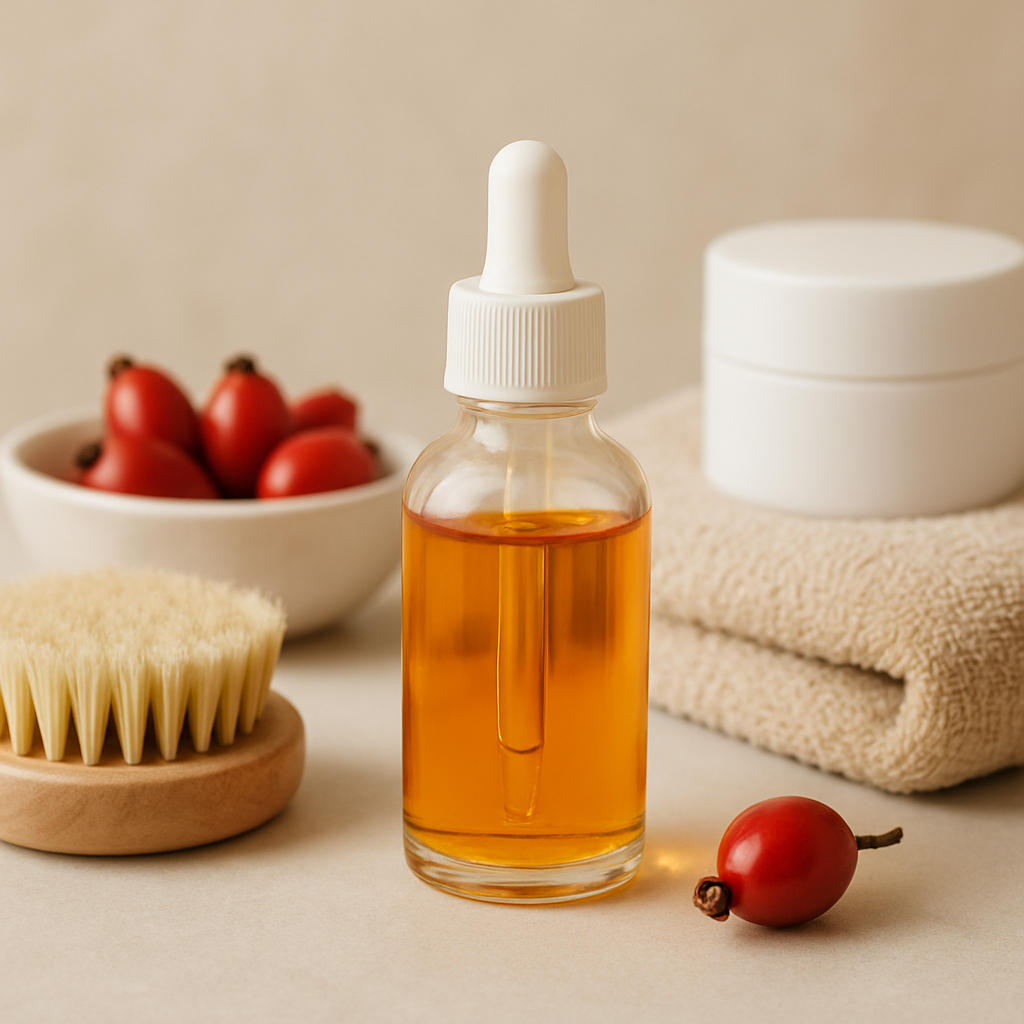
Are you curious about what is rosehip oil good for? This versatile oil has gained popularity in the beauty and wellness sectors for its potential skin benefits and nourishing properties. Extracted from the seeds of the wild rose bush, rosehip oil is packed with essential fatty acids, vitamins, and antioxidants, making it a valuable addition to your skincare routine.
What is Rosehip Oil Good For?
Rosehip oil is appreciated for its hydrating properties. Rich in linoleic and linolenic acids, it helps lock in moisture, making it ideal for dry and sensitive skin. Moreover, its vitamin A content, often referred to as a natural retinol, may assist in promoting skin cell turnover and reducing signs of aging.
For those dealing with uneven skin tone or blemishes, rosehip oil might offer some relief. The vitamin C in rosehip oil helps brighten the skin and reduce hyperpigmentation. While it is not a cure, it can aid in achieving a more balanced skin appearance.
Rosehip Oil’s Potential for Anti-Aging
One of the most touted benefits of rosehip oil is its anti-aging potential. Thanks to its wealth of antioxidants, including vitamins C and E, it might help neutralize free radicals, which are known to accelerate the aging process. Using rosehip oil may thus support your skin’s elasticity and firmness over time.
Supporting Skin Healing
Rosehip oil’s composition includes powerful antioxidants and essential fatty acids, which are crucial for maintaining the skin’s barrier. Some studies suggest that these compounds may assist in the healing of skin damage, such as scars from acne or surgery. Again, while not a magic fix, rosehip oil supports skin health healing processes.
Incorporating Rosehip Oil Into Your Routine
Adding rosehip oil to your daily skincare routine can be simple and effective. A few drops can be applied directly to the skin or mixed with other moisturizers. For those interested in clean beauty, consider integrating rosehip oil into your nighttime skincare routine for enhanced hydration and rejuvenation overnight.
Dermatologists recommend performing a patch test before fully integrating any new product into your regimen to ensure it is compatible with your skin type.
Other Uses and Benefits of Rosehip Oil
Beyond skin care, rosehip oil is also explored for its potential joint health benefits. Some proponents suggest it may be beneficial due to its anti-inflammatory properties, although more research is needed to confirm these effects definitively.
Additionally, rosehip oil might play a role in addressing skin conditions like eczema due to its moisturizing and soothing properties. As always, if you are dealing with specific skin conditions, consulting with a healthcare professional or dermatologist is advisable for personalized advice.
As interest grows, rosehip oil is being examined for its broader wellness applications. To learn more about the science behind its uses, you may find additional insights in the scientific community, such as those documented by Wikipedia’s article on Rose Hip Seed Oil.
In summary, what is rosehip oil good for? This natural oil possesses a wide array of benefits, from enhancing skin hydration and appearance to potentially supporting broader wellness. With consistent use, it might become a staple in your beauty regimen.
- Rosehip oil is rich in essential fatty acids and vitamins, beneficial for skin hydration.
- It’s known for anti-aging properties due to antioxidants like vitamins C and E.
- May support skin healing and reduce hyperpigmentation.
- Can be integrated into skincare routines or used solo for moisturizing effects.
- Presents potential for supporting wellness beyond skincare.
FAQs About Rosehip Oil
Is rosehip oil suitable for all skin types?
While rosehip oil is generally well-tolerated, it’s best for dry to normal skin types. Individuals with oily or sensitive skin should do a patch test to ensure their skin does not react adversely.
Can rosehip oil replace my moisturizer?
Rosehip oil can be a superb supplemental hydrator but may not be moisturizing enough on its own for everyone. Consider layering it under your usual moisturizer for additional benefits.
Does rosehip oil help with scars and stretch marks?
There’s some evidence suggesting it may help reduce the appearance of scars and stretch marks due to its reconstructive properties, but results can vary from person to person.
How should I store rosehip oil to maintain its shelf life?
To maintain its potency, store rosehip oil in a cool, dark place. Consider a refrigerator if your home is warm. Ensure the container is securely closed to avoid oxidation.
Is it safe to use rosehip oil around the eyes?
Rosehip oil can be used around the eyes, but caution is advised to prevent direct contact with the eyes themselves. Opt for eye-specific products if irritation occurs.