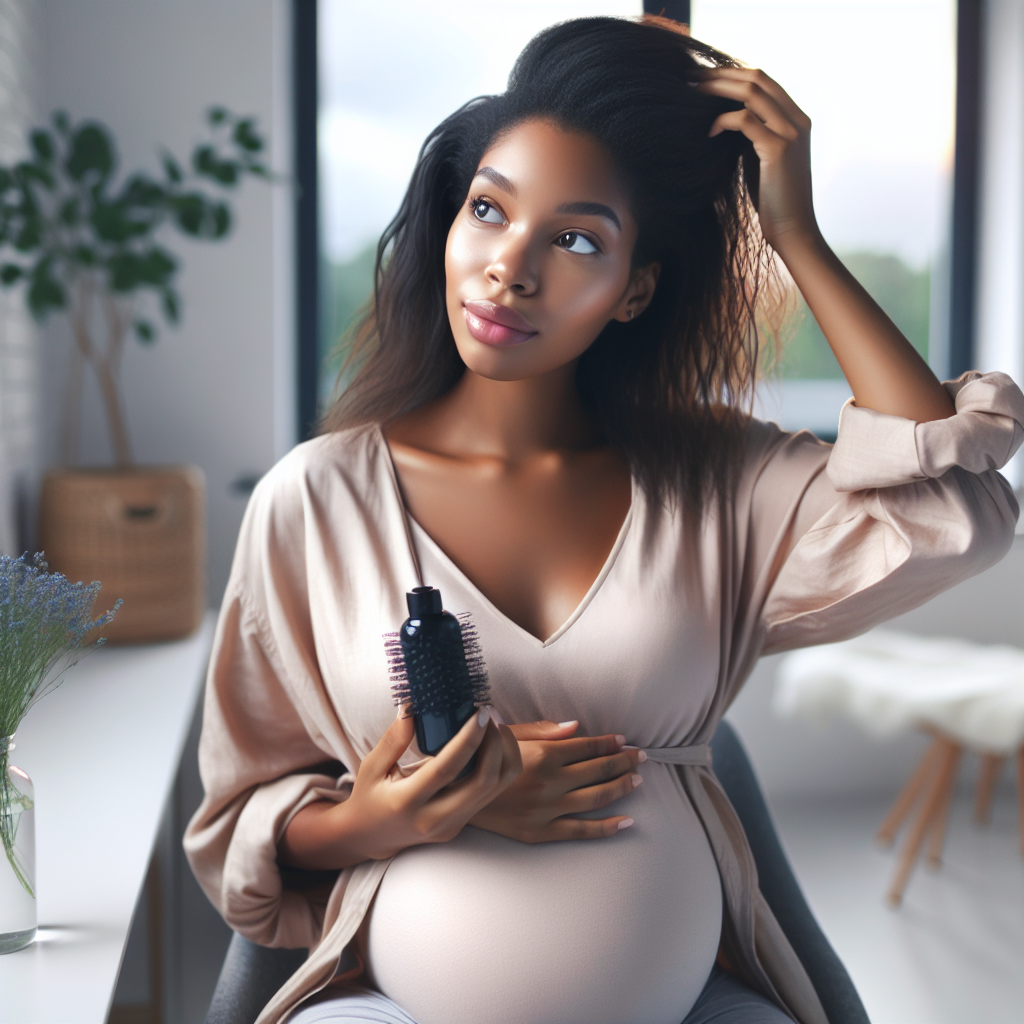
Pregnancy can bring about many changes in a woman’s body, and one concern some expecting mothers face is thinning hair while pregnant. It may feel alarming to notice an increase in hair shedding during this otherwise joyful time, but understanding the causes and ways to address it can help ease these worries.
Understanding Thinning Hair While Pregnant
During pregnancy, hormonal shifts are a primary factor contributing to changes in hair volume. While it’s common to experience thicker, fuller hair due to higher estrogen levels, some women notice hair thinning during pregnancy. The body’s sensitivity to these hormonal changes varies, leading to different experiences for each woman.
Why Some Women Experience Hair Thinning During Pregnancy
The hormonal changes that occur in pregnancy can sometimes lead to hair follicles entering a resting (telogen) phase, resulting in hair thinning while pregnant. Other potential contributors include nutritional deficiencies, stress, and the body’s heightened sensitivity to hormonal fluctuations.
Tips for Managing Hair Thinning During Pregnancy
While it’s essential to accept that some hair changes are a normal part of pregnancy, there are several strategies you can employ to manage and potentially reduce hair loss during this time:
- Maintain a Balanced Diet: Eating a well-rounded diet rich in vitamins and minerals can support hair health. Focus on consuming foods high in iron, zinc, and vitamins A, C, and E.
- Gentle Hair Care: Use a gentle shampoo and conditioner, and avoid excessive heat styling or tight hairstyles that can stress hair further. For further insights, learn why it’s important to choose the right conditioner.
- Consult with Your Healthcare Provider: If you’re concerned about the extent of your hair loss, speak with your doctor. They can check for any underlying issues such as thyroid imbalances or anemia.
- Manage Stress Levels: Practice stress-relieving activities like yoga or meditation, which can help to stabilize your hormonal balance.
Postpartum Hair Loss: What to Expect
After childbirth, many women experience increased shedding, known as postpartum hair loss. This is typically due to the shift in hormonal levels as the body returns to its pre-pregnancy state. While it can be concerning, it’s generally a temporary phase lasting a few months, after which normal hair growth patterns resume.
Exploring Treatment Options
Though many hair thinning cases during pregnancy resolve on their own, maintaining a healthy lifestyle and hair care routine is beneficial. If the issue persists beyond childbirth or seems severe, consider consulting a dermatologist or trichologist for personalized advice and potential treatment options.
In conclusion, thinning hair while pregnant is usually a temporary condition. By staying informed and implementing supportive measures, you can maintain your hair’s health throughout your pregnancy journey.
- Hair thinning is common during pregnancy due to hormonal changes.
- Maintaining a nutritious diet and gentle hair care routine can support hair health.
- Consult with a healthcare provider if you have concerns about excessive hair loss.
- Postpartum hair loss is a temporary condition that usually resolves naturally.
- Stress management can help mitigate hormone-induced hair shedding.
FAQ: Thinning Hair While Pregnant
Is hair thinning during pregnancy normal?
Yes, some women experience hair thinning during pregnancy due to hormonal changes. It’s often a temporary condition that resolves after childbirth.
What causes hair thinning while pregnant?
The primary cause is a shift in hormone levels, particularly increased estrogen. Other factors may include stress and nutritional deficiencies.
How can I prevent hair fall during pregnancy?
Maintaining a balanced diet, practicing good hair care, and managing stress levels can help reduce hair thinning while pregnant.
When should I be concerned about hair thinning during pregnancy?
If you experience excessive hair loss or if it continues post-pregnancy, consult with your healthcare provider to rule out other medical conditions.
Will my hair return to normal after pregnancy?
Most women’s hair returns to its normal growth cycle within a few months postpartum. If changes persist, seeking medical advice is recommended.