Scalp tenderness can be a frustrating and sometimes painful experience that affects many individuals. Whether it’s due to external factors like tight hairstyles or internal conditions such as skin sensitivity, the discomfort can significantly impact daily life. Understanding the causes and exploring methods of relief are essential steps in managing this condition effectively.
Understanding Scalp Tenderness
Scalp tenderness often manifests as a painful or sensitive feeling on the scalp, which can be triggered by various factors. From environmental conditions such as excessive sun exposure to lifestyle factors like the types of hair products used, pinpointing the exact cause is crucial for alleviating discomfort.
Common Causes of Scalp Tenderness
Identifying the root cause of scalp tenderness is vital for effective treatment. Here are some potential causes to consider:
- Hair Care Practices: Frequently wearing tight hairstyles, excessive use of chemical treatments, or irregular washing can contribute to scalp discomfort.
- Skin Conditions: Conditions like psoriasis, eczema, or dermatitis can lead to scalp tenderness due to inflammation.
- Stress and Tension: Psychological factors such as stress and anxiety may manifest physically, affecting the scalp.
- Infections: Illnesses such as fungal infections or lice infestations may cause the scalp to feel sore.
Tips to Relieve Scalp Tenderness
To manage scalp tenderness, consider adopting some or all of the following strategies:
- Gentle Hair Care: Opt for loose hairstyles and avoid harsh chemical treatments. Regular washing with mild shampoo can maintain a clean and irritation-free scalp.
- Topical Treatments: Over-the-counter treatments, such as anti-inflammatory creams or natural remedies like aloe vera, may reduce inflammation and soothe the scalp.
- Stress Management: Techniques like meditation or yoga could alleviate stress-related scalp tension.
- Consult a Professional: If scalp tenderness persists, seek advice from a healthcare provider to rule out or manage underlying conditions. Learn more about general health and wellness here.
Preventing Scalp Tenderness
Prevention is often the best cure. Incorporating these habits into your daily routine may help maintain a healthy scalp:
- Regular Hair Assessments: Pay attention to any changes in your scalp condition. Regular self-checks can help identify issues early.
- Healthy Lifestyle Choices: Maintain a balanced diet, stay hydrated, and get adequate sleep to support overall scalp health.
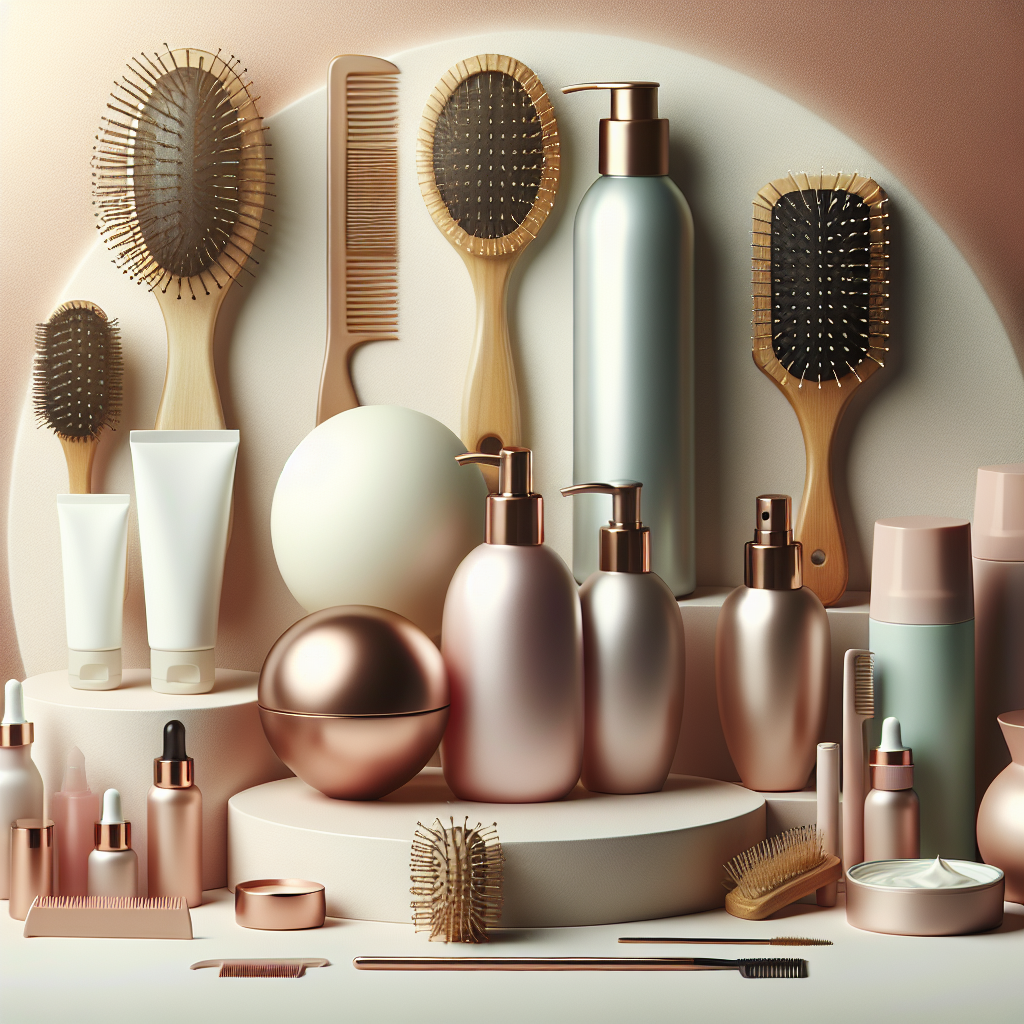
- Mindful Product Use: Be selective about the hair products you use. Some conditioners and shampoos can aggravate sensitive scalps; for more information, visit our article on whether conditioner causes hair loss.
When to Seek Medical Advice
While many cases of scalp tenderness resolve with self-care, it’s important to consult a healthcare professional if:
- The pain is severe or worsening.
- There are signs of infection such as swelling, pus, or redness.
- Over-the-counter treatments do not alleviate symptoms.
Conclusion
Scalp tenderness can disrupt comfort and well-being, but understanding its causes and implementing effective relief strategies can provide significant improvement. If issues persist, professional medical advice should be sought to ensure there are no serious underlying conditions.
- Avoid tight hairstyles and harsh hair treatments to prevent scalp tenderness.
- Utilize soothing topical solutions and stress-reduction techniques to alleviate discomfort.
- Adopt preventive measures such as regular hair care and mindful product selection.
- Seek professional guidance for persistent or severe symptoms.
- Maintain awareness of scalp health and make necessary lifestyle adjustments.
FAQ
What are the common symptoms of scalp tenderness?
Common symptoms include a painful or sensitive feeling on the scalp, which may be accompanied by redness, itchiness, and in some cases, swelling.
Can dietary changes help with scalp tenderness?
While specific foods won’t directly cure scalp tenderness, a balanced diet supporting overall skin health may promote a healthier scalp environment.
How can stress cause scalp tenderness?
Stress can lead to muscle tension and exacerbate conditions like psoriasis or dermatitis, contributing to scalp tenderness.
Are there any specific hair care products beneficial for scalp tenderness?
Products specifically formulated for sensitive skin, such as hypoallergenic shampoos and conditioners, may provide relief, though individual results can vary.
Should I avoid all hair dyes if I have scalp tenderness?
It might be helpful to avoid harsh chemical hair dyes and instead use more natural alternatives. However, it’s crucial to monitor how your scalp reacts and consult a dermatologist for personalized advice.