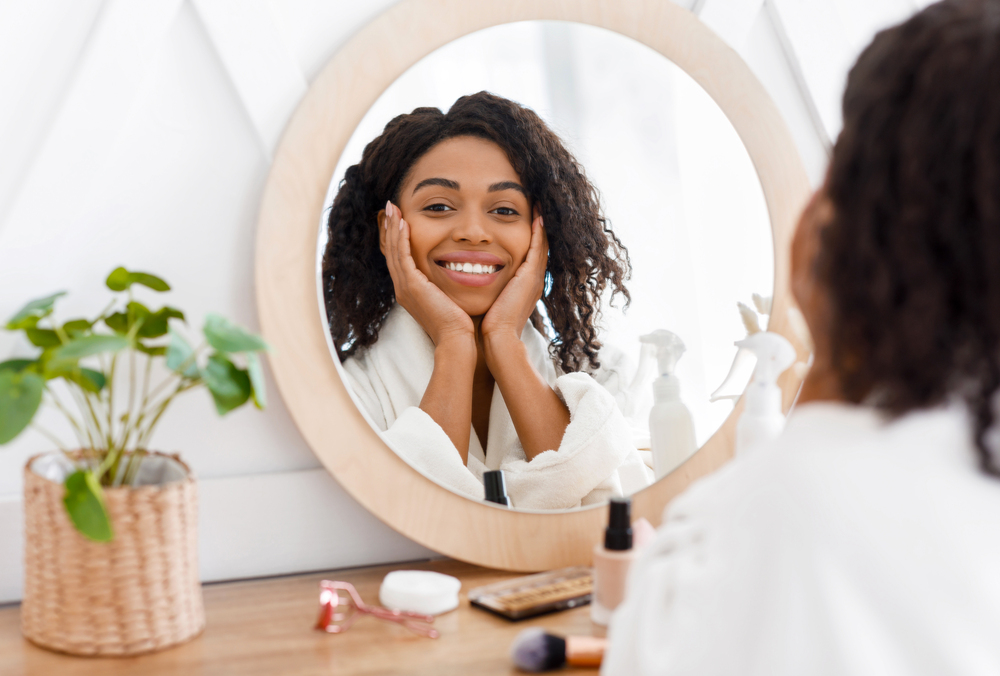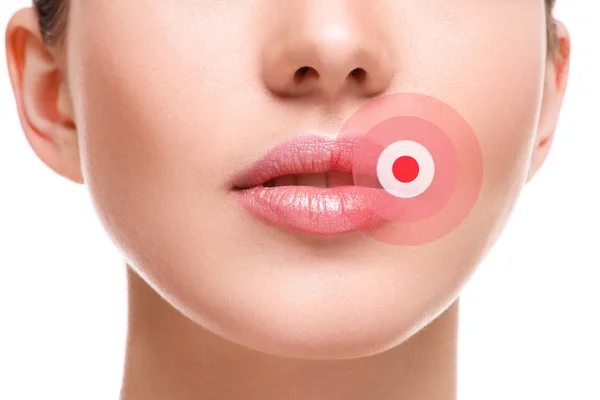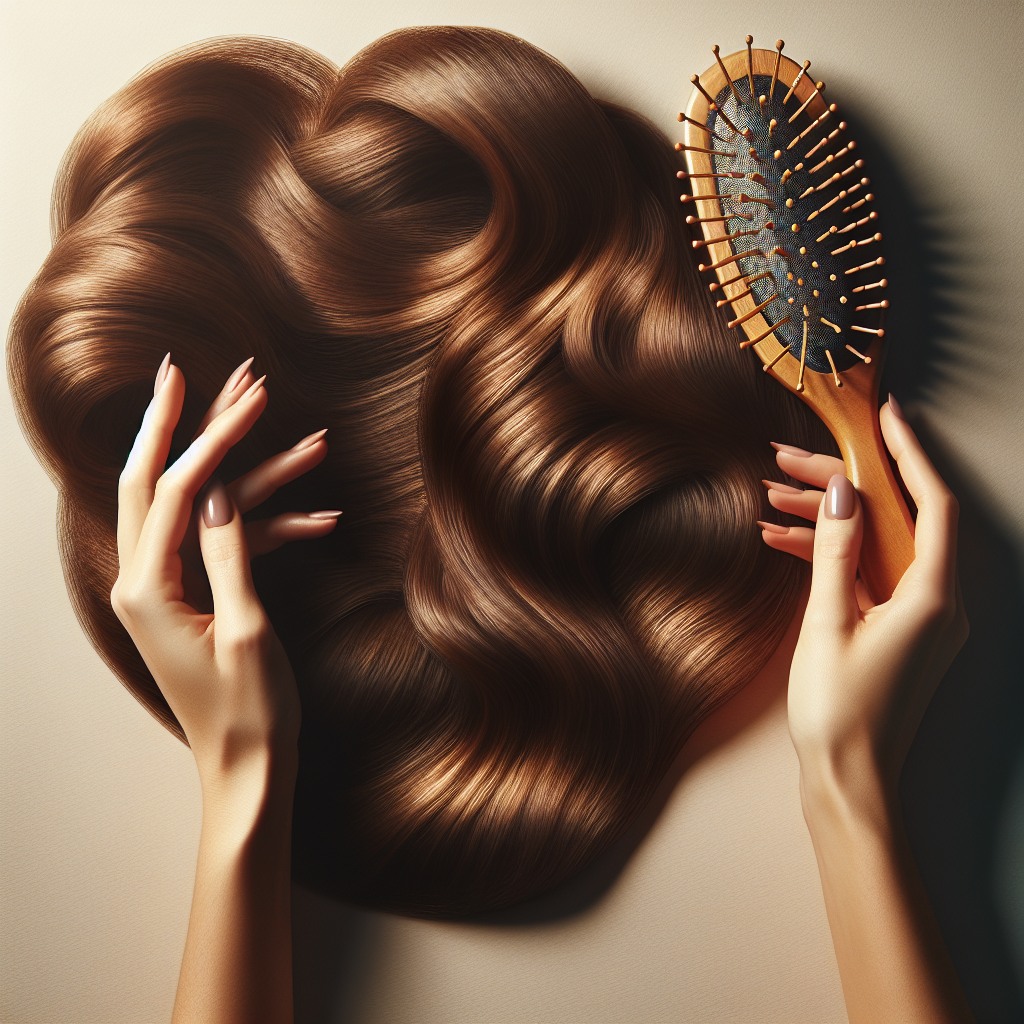
Dealing with dandruff and balding can be frustrating, as both affect the appearance and health of your scalp and hair. Whether you’re encountering flaky skin on your scalp or noticing your hair thinning over time, understanding the causes and potential remedies for dandruff and balding can help you regain confidence and maintain healthy, beautiful hair.
Understanding the Causes of Dandruff and Balding
Dandruff is a common condition that leads to the formation of white flakes on the scalp. It can be triggered by a variety of factors including an oily skin condition known as seborrheic dermatitis, not shampooing often enough, dry skin, and the presence of yeast-like fungus. Dandruff is mostly a cosmetic issue, but it can cause discomfort and frustration.
Balding, on the other hand, can be a bit more complex. It may occur due to genetic predisposition, hormonal changes, or medical conditions. Understanding these reasons is crucial in addressing hair loss effectively.
Tackling Dandruff: Solutions for a Healthier Scalp
Addressing dandruff often starts with choosing the right hair care products. Look for shampoos that contain ingredients like zinc pyrithione, salicylic acid, or selenium sulfide, all of which can help reduce flaking and itching. Consistent use of these specialized shampoos typically leads to improvement over time.
In addition to medicated shampoos, maintaining a healthy scalp involves regular washing and adequate hydration. It’s important to balance your hair-washing routine to prevent excessive dryness that can exacerbate dandruff. Managing stress and consuming a balanced diet may also support scalp health.
Strategies for Managing Balding
When it comes to balding, various treatments are available depending on the underlying cause. Minoxidil, an over-the-counter topical treatment, is one option for stimulating hair growth. However, before starting any new product, consulting a healthcare professional is advised to understand potential side effects and ensure it’s appropriate for you.
For those looking into medical or surgical options, hair transplant surgeries are a permanent solution but can be costly and require careful consideration. Lifestyle changes such as eating a diet rich in vitamins and micronutrients, reducing stress, and avoiding harsh hair treatments may also support hair retention.
Integrating Holistic Practices
Some people explore natural remedies and holistic practices to manage dandruff and balding. These might include essential oils like tea tree oil, which possesses antifungal properties, or scalp massages that improve blood circulation. Though these methods are being studied for their effectiveness, they may augment other treatments rather than serve as standalone cures.
Navigating Potential Triggers
Certain lifestyle and health factors, including stress, nutritional deficiencies, and specific medications, can affect hair health. It’s crucial to address these potential triggers where possible. Understanding how steroids might relate to hair loss can be informative; more on this topic is covered in our comprehensive article on this issue.
As always, when deciding on a treatment path, particularly those involving medications or major lifestyle changes, consulting with a healthcare professional ensures safety and efficacy.
Conclusion: Embracing Health and Beauty for Perfect Hair
Tackling dandruff and balding involves a combination of proper scalp care, informed product choices, and lifestyle adjustments. By understanding the unique nature of these conditions, you can take steps toward healthier hair growth and scalp health. Remember that patience and consistency are key. Whether you choose medical treatments, lifestyle changes, or a combination thereof, your journey towards conquering dandruff and balding can lead to improved confidence and beautiful hair.
- Persistent dandruff may require medicated shampoos for effective treatment.
- Balding options include topical treatments, lifestyle changes, and surgical methods.
- Holistic approaches may offer complementary benefits to conventional treatments.
- Consult with a clinician before starting any new treatment for hair loss.
- Embrace scalp and hair health through informed product choices and habits.
FAQ
What causes dandruff?
Dandruff is primarily caused by seborrheic dermatitis, which is an oily skin condition, the presence of a yeast-like fungus, or dry scalp conditions.
Can dandruff lead to hair loss?
While dandruff itself does not directly cause hair loss, the itching and scratching associated with it can damage hair follicles over time.
What medical treatments are available for balding?
Minoxidil and hair transplants are common medical treatments for hair loss; however, it’s important to consult with a healthcare professional for personalized guidance.
How do lifestyle changes affect hair health?
Eating a balanced diet rich in vitamins and reducing stress can positively impact hair health, potentially slowing the balding process.
What role does nutrition play in managing dandruff and balding?
Nutrition can support scalp health by ensuring the body receives enough vitamins and minerals that are vital for skin and hair growth.