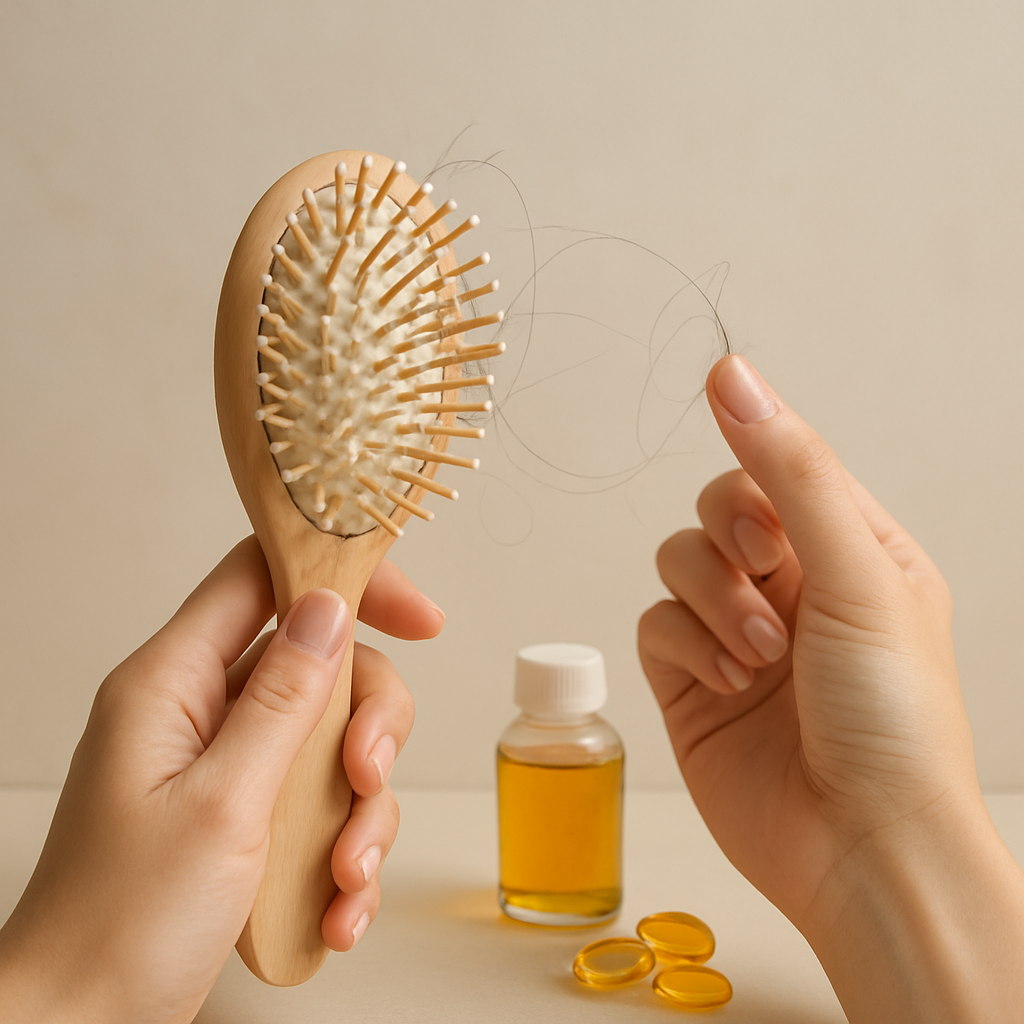
Many individuals seeking solutions for hair loss have likely come across suggestions involving vitamin D supplements. There is growing interest in exploring whether vitamin D supplements for hair loss are effective. Hair loss can be distressing, and finding a viable solution is crucial for those affected.
Understanding Vitamin D and Its Role in Hair Health
Vitamin D is an essential nutrient that plays a key role in several bodily functions, including bone health and immune response. It is also thought to contribute to hair follicle cycling. People with hair fall issues sometimes have lower levels of vitamin D, leading researchers to consider its role in hair health.
The Connection Between Hair Fall and Vitamin D
Hair fall and vitamin D levels may be more connected than one might think. Hair follicles are highly sensitive to hormones, and vitamin D acts like a hormone in the body. Some studies suggest an association between vitamin D deficiency and alopecia, a condition that can result in significant hair loss. However, more research is needed to confirm this connection and understand how vitamin D supplements can help.
How Vitamin D Supplements Might Support Hair Health
For individuals with a demonstrated deficiency, vitamin D supplements may support overall hair health as part of a broader health strategy. Enhancing vitamin D levels could potentially improve hair follicle health, but it is essential to approach supplements cautiously and under medical supervision.
Vitamin D Supplements for Hair Loss: What the Research Says
Current research into vitamin D supplements for hair loss is not yet conclusive. While some studies indicate a positive impact, others find limited evidence. It’s important to view supplements as part of a holistic approach, ensuring one maintains a balanced diet and healthy lifestyle alongside supplements.
Ways to Increase Vitamin D Intake
- Exposure to sunlight: The simplest, most natural way to boost vitamin D levels.
- Diet: Foods like fatty fish, egg yolks, and fortified foods are excellent sources.
- Supplements: When natural sources are insufficient, supplements can help meet nutritional needs.
Before opting for vitamin D supplements, consider getting your vitamin D levels tested. If confirmed low, discussing supplementation with a healthcare provider is wise.
Other Factors Affecting Hair Loss
While exploring vitamin D as a factor, remember that hair loss can arise from various causes, including genetics, stress, hormonal changes, and medical conditions. For a nuanced understanding, explore our related article on steroids and their potential impact on hair loss.
Potential Risks and Considerations
While vitamin D is essential, excessive intake can pose health risks, such as hypercalcemia. It’s crucial to follow recommended dosages and consult health professionals before starting any supplement regimen to avoid adverse effects.
Conclusion on Vitamin D Supplements for Hair Loss
The journey to combat hair loss is unique to each individual, requiring an understanding of various potential factors. Vitamin D supplements for hair loss may serve as part of the solution, particularly for those with a documented deficiency. Nonetheless, it is important to view them as one component of a comprehensive health plan. For more detailed information, visit this resource on Vitamin D deficiency.
- Vitamin D is vital for various bodily functions, including hair health.
- Low vitamin D levels might be linked to increased hair fall.
- Sunlight, diet, and supplements are key sources of vitamin D.
- Excessive vitamin D intake can have health risks—seek medical advice before starting supplements.
- Combating hair loss often requires a holistic, personalized approach.
Frequently Asked Questions
Can a vitamin D deficiency cause hair loss?
A vitamin D deficiency may contribute to hair loss, especially in severe cases, due to its role in the hair growth cycle.
Is supplementing with vitamin D likely to regrow lost hair?
While vitamin D supplements might help if you have a deficiency, they are unlikely to regrow lost hair on their own. They should be part of a broader treatment strategy.
What could be other causes of hair loss?
Other causes of hair loss include genetics, hormonal changes, stress, and certain medical conditions.
How is vitamin D naturally obtained?
Vitamin D can be naturally obtained through sunlight exposure, consumption of foods like fatty fish and fortified products, and when necessary, supplements.
When should I see a doctor about hair loss?
Consider consulting a healthcare provider if you experience sudden, severe, or unexplained hair loss to determine the underlying cause and appropriate treatment options.