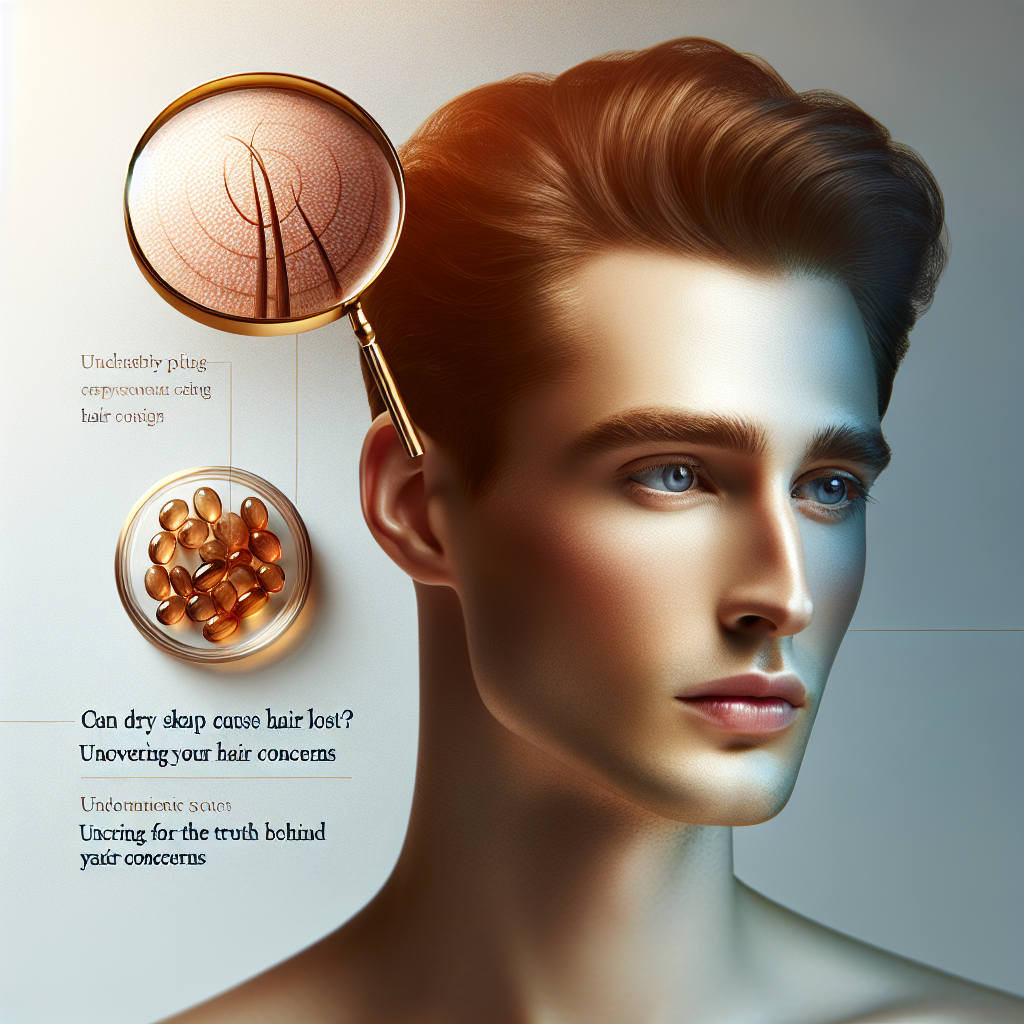
Many people wonder, can dry scalp cause hair loss? This is a common concern, particularly for those experiencing itchiness, flakiness, and shedding. Understanding the connection between a dry scalp and hair loss can help you take measures to maintain a healthy scalp and, consequently, healthy hair.
Can Dry Scalp Cause Hair Loss?
While a dry scalp itself does not directly cause hair loss, the symptoms associated with it, such as itching and irritation, can lead to scratching. This scratching can, in turn, damage hair follicles and potentially contribute to hair thinning or loss over time. More severe conditions, like dry scalp alopecia, may also play a role in the perception of hair thinning.
Understanding Dry Scalp
A dry scalp can result from several factors, including environmental conditions like cold weather, harsh hair products, and certain medical conditions. When the scalp is dry, it lacks the necessary oils to maintain moisture, leading to flakiness and irritation.
Does dry scalp cause balding? It’s important to differentiate between dry scalp and dandruff, as the latter is often linked to an oily scalp. Both conditions can lead to itching, but treatment strategies differ significantly. Visit our article on whether conditioner can contribute to hair loss for more insights into maintaining scalp health.
Connection Between Dry Scalp and Hair Loss
Dry scalp hair loss is usually the result of habitual scratching and scalp damage. The immediate effect may not be noticeable, but over time, persistent irritation can weaken hair follicles and cause hair to fall out.
In some cases, individuals with a dry scalp may experience a form of hair loss called dry scalp alopecia. This condition can stem from aggressive scratching and inflammation, leading to patches of hair loss.
Preventing Hair Loss Due to Dry Scalp
- Moisturize Regularly: Use a gentle, hydrating shampoo and conditioner to maintain moisture levels.
- Scalp Care: Regularly massage the scalp to stimulate blood circulation and distribute natural oils.
- Dietary Considerations: Incorporate a balanced diet rich in omega-3 fatty acids and biotin to support scalp health.
- Avoid Harsh Chemicals: Limit the use of products with sulfates or alcohol that can strip the scalp of natural oils.
Addressing the underlying causes of a dry scalp can significantly improve the overall health of your hair and reduce the risk of associated hair loss.
Seek Professional Advice
If you notice persistent symptoms of scalp irritation and hair loss, consulting a dermatologist or trichologist can provide you with personalized treatment options. They can offer guidance tailored to your specific condition and help differentiate between various forms of hair loss.
For those concerned, it’s essential to remember that addressing the root cause of scalp issues often yields the best results for hair health. Discover more about broader health topics by visiting this comprehensive resource for additional information.
In conclusion, while a dry scalp itself does not directly cause hair loss, it can lead to behaviors or conditions that contribute to it. For those asking, “Can dry scalp cause hair loss?” it’s beneficial to focus on overall scalp care and management of symptoms to preserve hair health.
- Dry scalp can lead to irritation, potentially contributing to hair loss.
- Regular scalp care and appropriate hair products can prevent damage.
- Avoid harsh chemicals and use gentle, hydrating formulas.
- Consistent dietary support can aid in maintaining scalp health.
- Consult a specialist for persistent issues or hair loss concerns.
FAQs
What causes dry scalp?
Dry scalp can be caused by environmental factors, certain hair care products, or underlying skin conditions.
Does scratching worsen hair loss?
Yes, persistent scratching can damage hair follicles and potentially worsen hair loss.
Is dry scalp different from dandruff?
Yes, dry scalp appears as small, dry flakes, while dandruff involves oily, larger flakes and is associated with a different cause.
Can moisturizing shampoo help with dry scalp?
Yes, moisturizing shampoos can help replenish the scalp’s moisture barrier, reducing flakiness and irritation.
Should I see a doctor for dry scalp hair loss?
If you experience persistent scalp issues or noticeable hair loss, it is advisable to seek professional advice for an appropriate treatment plan.