Experiencing hair thinning or receding hairlines can be concerning, especially when you reach the norwood 3 stage of hair loss. This stage marks a clear and noticeable pattern of hair loss that many wish to address effectively. Understanding the progression and available strategies is vital for those looking to maintain or improve the fullness of their hair.
Understanding Norwood 3
The Norwood Scale is a widely used classification system for male pattern baldness. Norwood 3 represents the first stage where hair loss becomes evident, typically characterized by a deepening of the temporal recession that forms an M-shaped pattern across the scalp. For many, reaching this stage serves as a wake-up call to take proactive steps in managing hair health before it progresses further.
Lifestyle Adjustments for Hair Health
To combat signs of advancing hair loss at the norwood 3 stage, consider integrating certain lifestyle changes. A balanced diet rich in vitamins and minerals plays a crucial role. Nutrients such as vitamin E, iron, and zinc may support hair health by promoting better follicle growth and maintenance.
Regular physical activity not only benefits general health but also improves blood circulation, which might encourage healthier hair follicles. Stress management is another essential component, as stress can exacerbate hair loss.
Hair Care Practices to Embrace
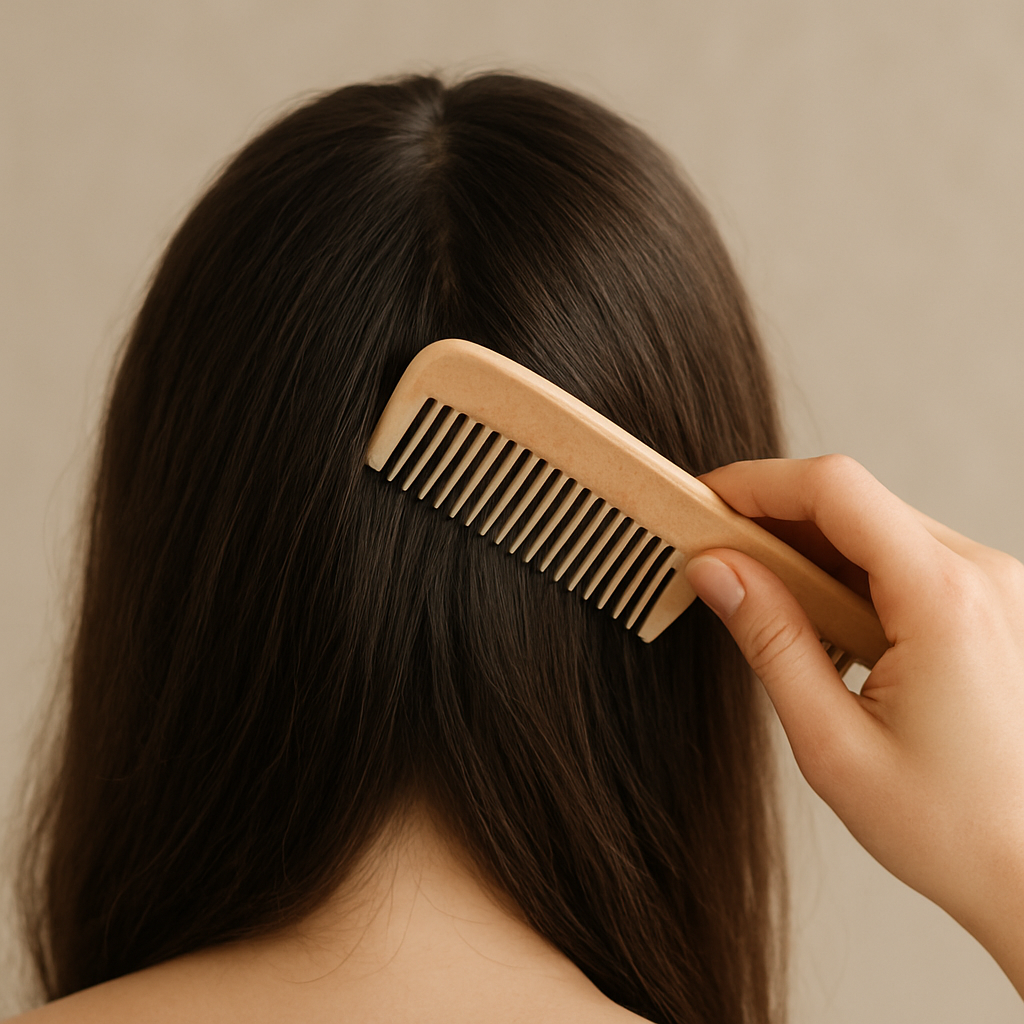
Adopting gentle hair care practices is essential when dealing with the norwood 3 stage. Gentle hair washing with lukewarm water, avoiding heat styling tools, and reducing harsh chemical treatments can decrease additional hair stress. Opt for shampoos and conditioners that strengthen and nourish hair with amino acids and biotin.
Medical and Cosmetic Interventions
For those open to medical interventions, several options exist that may help manage hair loss at the norwood 3 stage. Topical treatments like minoxidil have shown promise in encouraging hair regrowth and are often used in many hair loss regimens. Consultation with a dermatologist can provide personalized recommendations for more intensive treatments such as finasteride, which requires medical oversight due to potential side effects.
Some might explore cosmetic solutions such as hairpieces or scalp micropigmentation to visually enhance hair thickness. For a deeper dive into related topics, consider reading our article on how steroids might affect hair health.
Exploring Alternative Approaches
Alternative therapies are increasingly popular among those seeking additional hair support. Herbal supplements, which may include saw palmetto or ginseng, are of interest though their efficacy varies and requires more research. Remember to discuss any alternative treatments with a healthcare professional to avoid potential interactions or side effects.
Steps for Future Prevention
Preventing further progression of hair loss at the norwood 3 stage involves regular monitoring and adapting to your hair’s needs. Periodic consultation with hair specialists can help fine-tune your regimen based on the latest advancements in hair care technology.
Being informed about your condition can greatly help in making suitable lifestyle adjustments. For additional information on the broader topic of health, visit this comprehensive resource.
The pursuit of healthier, thicker hair involves practical steps tailored to individual needs, especially when managing norwood 3 hair loss. Applying these strategies consistently increases the potential to maintain and even rejuvenate hair’s appearance.
- The Norwood Scale classifies male pattern baldness; norwood 3 indicates noticeable hairline recession.
- Diet, exercise, and stress management are key lifestyle factors for supporting hair health.
- Choose hair care products that support follicle health and avoid harsh treatments.
- Consider medical options under professional guidance to manage or reverse hair loss.
- Explore alternative and cosmetic solutions cautiously, with professional insight.
What does the Norwood 3 stage mean?
The Norwood 3 stage signifies a marked progression in male pattern baldness where the hairline forms a distinctive M-shape due to temporal recession.
Are there effective treatments for Norwood 3 hair loss?
Yes, various treatments such as topical minoxidil and, potentially, finasteride may help slow or reverse hair thinning when used appropriately under medical advice.
Can lifestyle changes prevent further hair loss?
While not all hair loss can be prevented, maintaining a balanced diet, managing stress, and practicing good hair hygiene may support healthier hair and slow progression.
Is there a point when medical intervention is necessary for hair loss?
Medical intervention may be considered if lifestyle modifications are insufficient and hair loss significantly impacts quality of life, but it should be discussed with a healthcare provider.
How can alternative therapies be incorporated safely?
Engage with healthcare professionals before starting alternative therapies to ensure they are safe for your health and do not interfere with current treatments.