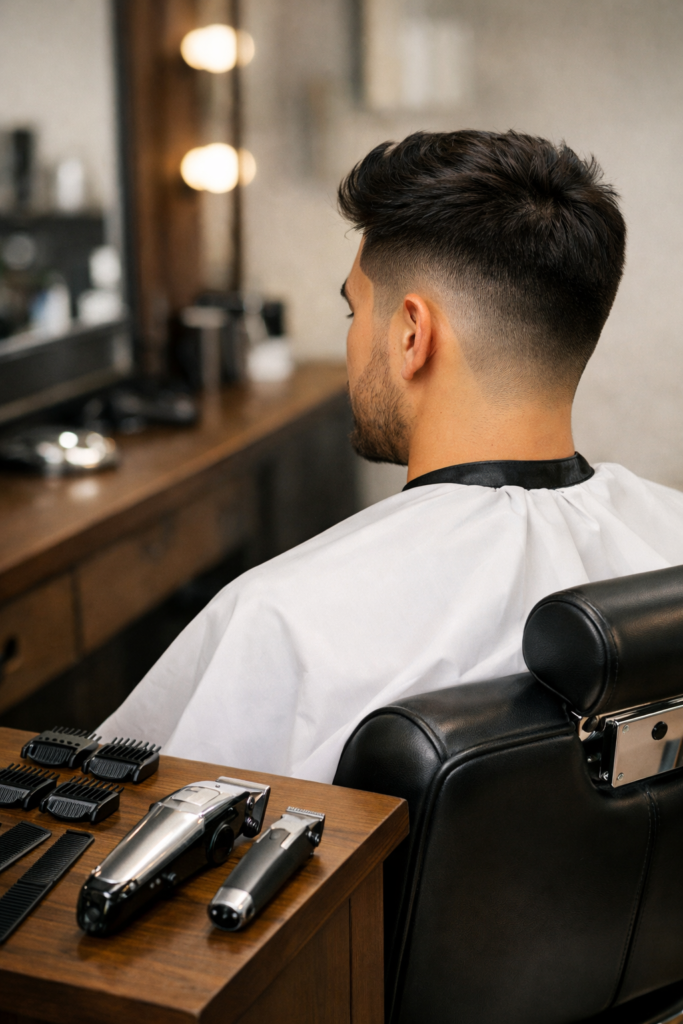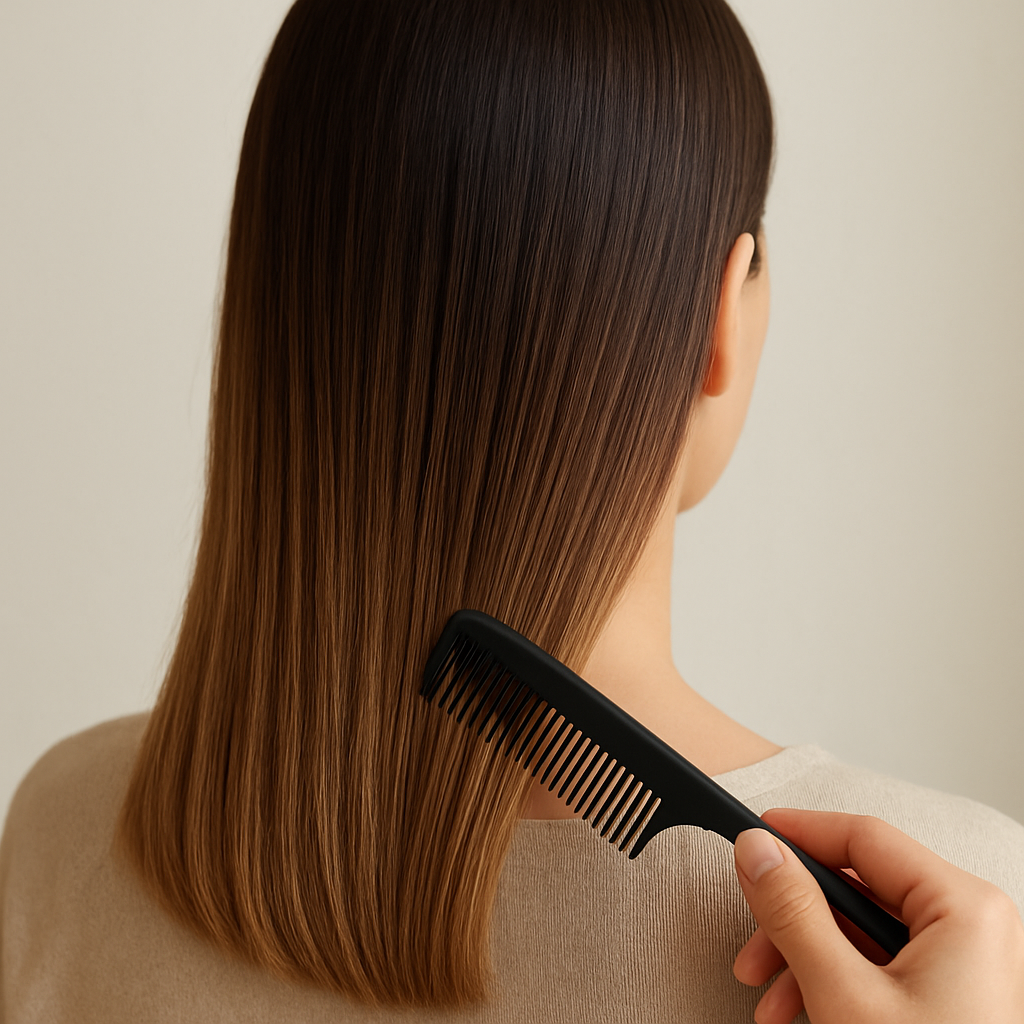
Achieving a fade for longer hair combines the art of haircutting with styling techniques tailored to your hair type and desired look. Unlike fades for short hairstyles, which are often straightforward, longer hair requires a delicate balance to ensure the transition appears natural and flattering. Whether you want to refresh your style or maintain an on-trend look, mastering the fade for longer hair can transform your appearance.
Techniques to Achieve the Perfect Fade for Longer Hair
The fade for longer hair involves blending shorter sections into longer sections seamlessly. This style suits various textures and styles, from wavy to straight, offering a versatile foundation for countless looks. Here are some expert-recommended techniques to get the perfect fade.
Understand the Different Types of Fades
Before you start, it’s important to know the types of fades: low, mid, and high fades. Low fades start around the ear, while high fades begin near the temples, with mid fades sitting somewhere in between. Selecting the right fade determines the overall appearance and works as a guiding principle for the rest of the styling.
Preparation is Key
To achieve a flawless fade, preparing your hair correctly is crucial. Clean, dry, and detangled hair provides a smooth surface, which is essential for cutting and blending. Additionally, having sharp tools on hand, such as clippers with adjustable guards, ensures precision and ease of blending.
Using the Right Blending Techniques
The secret to a seamless fade lies in blending the hair correctly. Start with larger clipper guards and work your way down to smaller sizes. This gradual technique aids in creating a smooth gradient. Remember to cut against the grain for an even finish and always check your work from different angles.
Layering for a Soft Transition
For longer hairstyles, adding layers can create a softer transition. While blending creates the fade’s backbone, layering adds depth and dimension, allowing the longer hair to cascade naturally from the shorter sections. For inspiration on matching your new fade with colors, visit hair color ideas for cool skin tones.
Styling for Completion
Styling products are the final touch for any fade. Apply pomades or gels to accentuate the fade’s lines or opt for matte products for a more casual, textured look. The choice of product can highlight the contrast between the faded sections and your longer hair, bringing definition and style.
Maintaining Your Fade for Longer Hair
Once you’ve achieved the perfect fade, the next step is maintenance. Consistent trims are essential, as longer hair can quickly lose its shape. Regular upkeep ensures the fade remains sharp, and your longer hair stays healthy.
Regular Trims
Maintaining a regular trimming schedule, about every 4-6 weeks, keeps your fade looking fresh. This prevents overgrowth in the shorter sections, maintaining the style’s integrity. Regular visits to your stylist can also introduce you to new styling trends.
Healthy Hair Habits
A proper hair care routine ensures your hair remains vibrant and healthy. This includes using quality shampoos and conditioners tailored for your hair type. Plenty of moisture prevents dryness and frizz, particularly important if your hair is color-treated.
Nourishing Treatments
Consider incorporating nourishing treatments such as masks and oils that can support the health of both scalp and strands. This practice, when done regularly, enhances the hair’s natural sheen and softness, complementing the well-maintained fade.
Protection and Styling
Protecting your hair from environmental damage prolongs the fade’s life and keeps your hair looking its best. Wear hats or use UV-protection sprays when exposed to sunlight for extended periods. Opt for gentle styling tools and techniques to minimize damage.
The journey to achieving a beautiful fade for longer hair may require practice and patience, but the results are stunning when executed correctly. For more information on safety and effectiveness of different hairstyles and treatments, consider visiting this informational source.
- The fade for longer hair creates a seamless transition between hair lengths.
- Different fade types cater to various styles and facial structures.
- Proper tools and preparation are essential for achieving a perfect fade.
- Regular maintenance ensures the style remains sharp and trendy.
- Styling products enhance the fade’s lines and the overall style.
What is a fade haircut?
A fade haircut is a technique that involves cutting hair shorter gradually from the top to the base of the head, resulting in a smooth transition.
How does a fade benefit longer hair styles?
A fade for longer hair provides a modern, clean look while allowing for versatile styling options that complement the hair’s natural texture.
What tools are necessary for creating a fade?
Essential tools include clippers with various guard sizes, scissors for detailing, and a comb for guiding the cut. Sharp, high-quality tools ensure accuracy.
Can a fade be customized for different hair types?
Yes, fades can be adapted depending on hair texture and length. Each hair type may require specific cutting and blending techniques for optimal results.
What are some common mistakes when doing a fade at home?
Common mistakes include uneven blending, using dull tools, and skipping preparation steps such as washing and detangling hair before starting the fade.