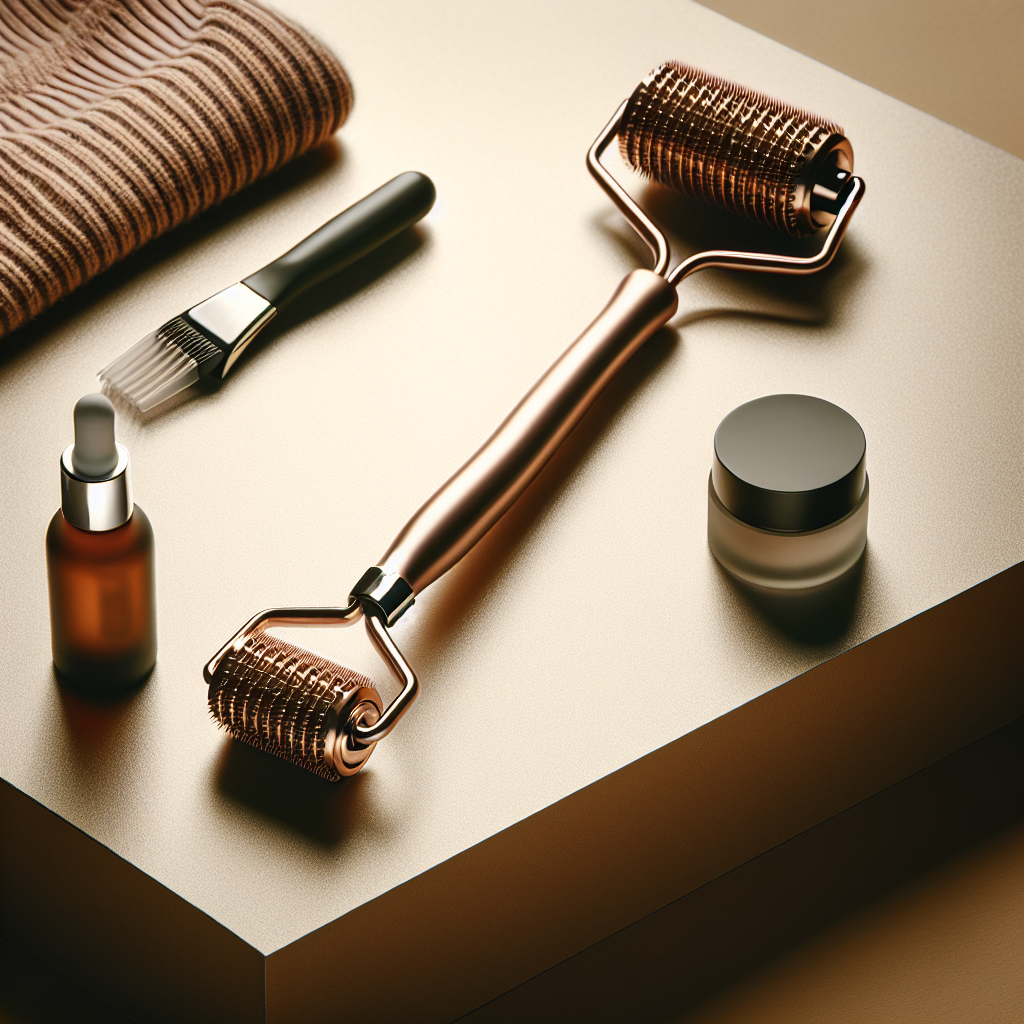
When it comes to enhancing facial hair growth, many individuals explore various methods in hopes of achieving the perfect beard. One popular method that has garnered attention is the use of derma rollers. But the question remains: do derma rollers work for beard growth? This article delves into the science behind derma rollers, their benefits, and whether they truly aid in beard development.
How Do Derma Rollers Work?
Derma rollers, also known as microneedling devices, are tools covered with tiny needles used to create micro-injuries on the skin’s surface. This process is thought to promote collagen production and enhance the absorption of topical products. The basic principle is that by creating controlled micro-injuries, the skin initiates a natural healing response that may benefit hair follicles.
While initially popularized for facial rejuvenation and skincare, derma rollers have found a role in hair growth applications, including attempts to cultivate fuller beards. But the effectiveness specifically for beard growth hinges on several factors.
Do Derma Rollers Work for Beard Growth?
Derma roller advocates suggest that regular use may activate dormant hair follicles and increase the thickness and coverage of facial hair. The process theoretically introduces increased blood flow and nutrients to the area, potentially supporting hair growth where it was previously sparse or uneven.
However, scientific evidence regarding whether derma rollers work for beard growth remains limited. Some anecdotal reports suggest mild improvements, yet these personal accounts are not universally replicable and may lack scientific rigor.
Potential Benefits of Using a Derma Roller for Your Beard
- Increased Collagen Production: Microneedling may enhance collagen, supporting skin health and potentially fostering a better growth environment for follicles.
- Improved Product Absorption: Using derma rollers can allow for better penetration of topical solutions designed to stimulate hair growth, such as minoxidil.
- Elevated Blood Flow: The micro-injuries caused by the roller can increase circulation, supplying hair follicles with necessary nutrients.
Despite the potential benefits, more comprehensive studies are needed to conclusively demonstrate their efficacy for beard growth specifically. While promising, results can vary significantly from one individual to another.
Considerations Before Using a Derma Roller
While exploring the potential benefits of derma rollers, there are precautions to consider:
- Proper Technique: It is essential to use the derma roller correctly, with gentle pressure and a sterilized tool, to prevent infection or skin damage.
- Skin Sensitivity: Individuals with sensitive skin should be cautious, as the procedure can cause discomfort or irritation.
- Consultation with a Specialist: Before embarking on a microneedling journey for beard growth, consulting a dermatologist may provide personalized advice.
Derma rollers are widely available and used for various beauty treatments beyond facial hair enhancement. Consumers should weigh the pros and cons and manage expectations clearly.
Do Beard Rollers Work for Everyone?
Given that hair growth patterns are influenced by genetics, hormones, and overall health, derma rollers are not a guaranteed solution. While some users may see changes, others might not experience significant results. Moreover, the success of derma rollers could be influenced by the consistency of use, needle size, and frequency of application.
The application of beard-enhancing products, alongside derma rolling, might improve outcomes but should be approached with realistic expectations.
The Scientific Perspective
Scientific literature on derma rollers specifically for beard growth is limited. While the principles of collagen induction and improved penetration of topical agents are encouraging, more targeted research is necessary.
There are studies supporting derma rolling for scalp hair growth which increases the plausibility of its effects on facial hair. Nonetheless, differences in skin thickness and hair follicle distribution on the face as opposed to the scalp might alter effectiveness.
For more detailed discussions on health-related topics beyond dermarolling and its effects, visit this comprehensive resource on health.
Final Thoughts: Do Derma Rollers Work for Beard Growth?
In conclusion, while there is some support for the notion that derma rollers may aid in beard growth through improved skin conditions and collagen production, the extent of their effectiveness can vary. As with any beauty or health regimen, it is vital to supplement their use with a healthy lifestyle and to remain patient for potential results.
Ultimately, the answer to whether do derma rollers work for beard growth is yes, but with caution and managed expectations.
- Derma rollers may support beard growth through microneedling.
- Benefits include better product absorption and increased circulation.
- Efficacy varies based on individual factors and consistency of use.
- Consulting a dermatologist before starting is advisable.
- Manage expectations and practice proper hygiene.
Frequently Asked Questions
How often should I use a derma roller for beard growth?
Frequency depends on the needle size. Generally, once a week is common, allowing the skin to heal between sessions. Consulting with a skincare specialist can provide personalized answers.
Can I use beard oil after derma rolling?
Yes, applying beard oil after derma rolling can enhance absorption and hydration. Be sure the oil is formulated for sensitive, microneedled skin.
What needle size is best for beard growth?
Needle sizes between 0.25mm to 0.5mm are typically used for facial hair growth. Always start with the smallest to understand your skin’s tolerance.
Will derma rolling hurt?
While some discomfort is expected, pain can vary based on individual sensitivity levels. Ensure proper technique and avoid pressing too hard to mitigate pain.
Can derma rolling cause skin damage?
If done improperly, derma rolling can cause skin irritation or infection. It’s important to use a sterilized roller and follow proper techniques to minimize risks.