For many individuals with polycystic ovary syndrome (PCOS), navigating the challenges of hair growth can be overwhelming. PCOS can cause hair thinning and unwanted hair growth, making it all the more important to understand how to encourage healthier, fuller locks. Whether you’re looking to enhance your hair’s appearance or simply understand the condition better, it’s essential to approach this issue with informed strategies.
Understanding Hair Growth with PCOS
PCOS affects hair growth due to hormonal imbalances that are characteristic of the condition. Individuals with PCOS typically experience excess androgens, which can lead to hair loss on the scalp and increased hair growth on the face and body. Addressing hair growth with PCOS requires a multifaceted approach that incorporates dietary changes, proper hair care, and possibly medical treatments under the guidance of a healthcare professional. For more information on related topics, you might find our article on hair loss and steroids helpful.
How Diet and Nutrition Play a Role
Nutrition is crucial for promoting healthy hair growth. Some individuals with PCOS may find that certain dietary modifications can help balance hormones and support hair health. Consider incorporating the following nutrients into your diet:
- Protein: Essential for hair structure, found in lean meats, beans, and nuts.
- Omega-3 fatty acids: Supports scalp health and can be found in fish like salmon and chia seeds.
- Iron and zinc: Nutritive minerals that aid in hair growth, available in foods like spinach and lentils.
A balanced diet not only benefits your overall health but also supports your body’s natural hair growth processes. Further exploring the relationship between nutrition and PCOS is worthwhile.
Effective Hair Care Tips
Caring for your hair properly can make a significant difference in its appearance. Here are some practical tips for maintaining hair health:
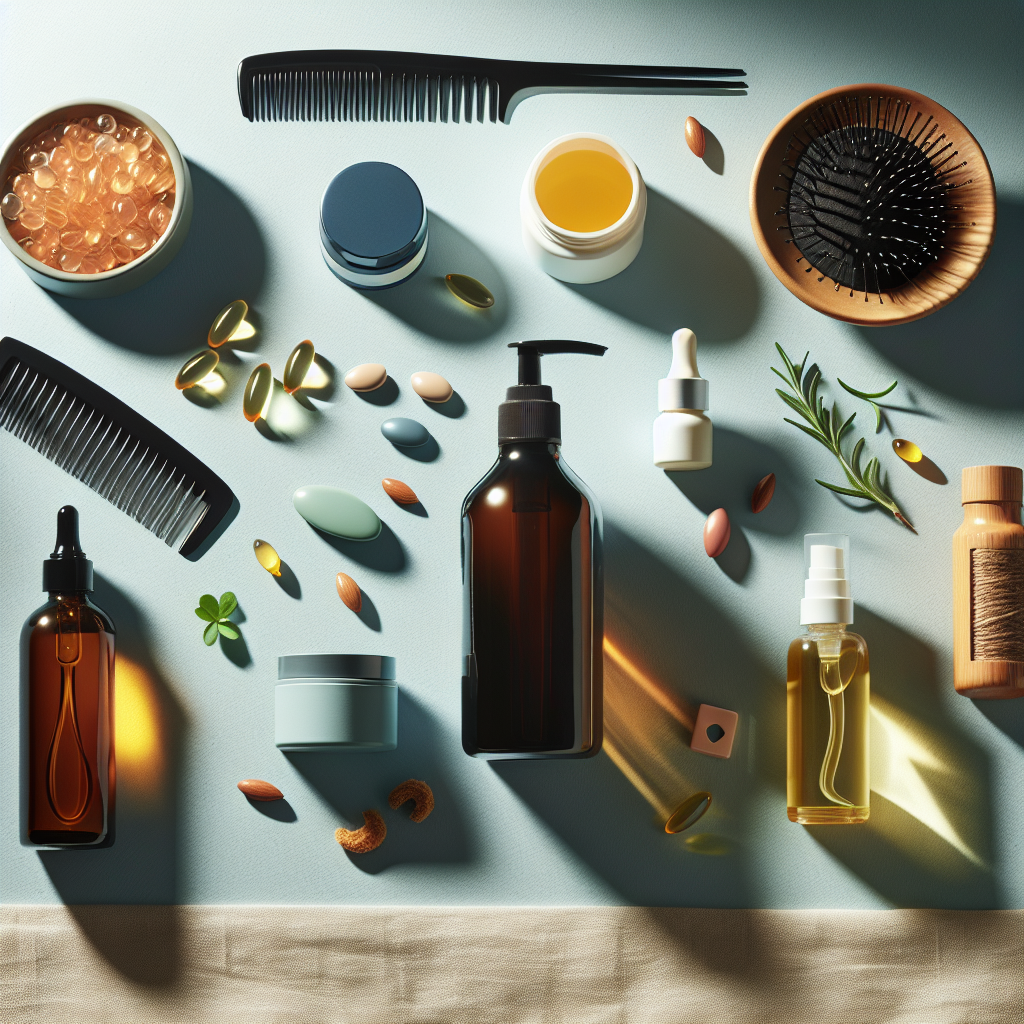
- Use a gentle shampoo and conditioner that are free from sulfates and parabens to avoid stripping natural oils.
- Minimize heat styling tools usage to prevent further damage to fragile hair strands.
- Regularly massage your scalp to enhance blood circulation and stimulate hair follicles.
These tips not only help manage hair affected by PCOS but also improve the general quality and texture of your locks.
Medical Treatments and Consultation
While lifestyle changes can offer support, it’s also essential to consult healthcare professionals who can provide personalized medical advice. Treatments such as oral contraceptives, anti-androgens, and metformin are sometimes recommended to help manage PCOS symptoms, including hair growth concerns. Always discuss these options with a healthcare provider to tailor the treatment to your unique needs.
Additionally, some topical treatments may be prescribed to improve hair density, such as minoxidil. For the broadest and most effective plan, combine both lifestyle and medical strategies.
Impact of Stress Management
Stress can exacerbate PCOS symptoms and thus impact hair growth. Finding effective stress management techniques such as yoga, meditation, or even simple breathing exercises can significantly contribute to hormone regulation and overall well-being. Stress reduction not only aids in managing PCOS symptoms but can have a positive impact on hair appearance and growth.
Seeking Support and Resources
Joining PCOS support groups can provide emotional and practical support as you navigate this condition. Sharing experiences and learning from others can offer new insights and coping strategies. Ensure you have a community or network where discussing your progress and setbacks feels safe and encouraging.
To deepen your understanding of PCOS and its impact on health, consider exploring comprehensive resources available from credible sources. One such source is the Polycystic Ovary Syndrome page on Wikipedia, which offers detailed information about the condition.
Tackling the challenge of hair growth with PCOS is a journey that involves understanding your body’s signals, optimizing your nutrition, and integrating appropriate treatments. With care and patience, you can promote healthier, fuller hair.
- PCOS affects hair growth through hormonal imbalances.
- Diet plays a vital role in supporting healthy hair.
- Effective hair care and reduced stress can improve hair health.
- Consultation with healthcare providers can offer tailored treatment options.
- Support networks provide valuable insight and encouragement.
Frequently Asked Questions
What changes in diet can help improve hair growth in PCOS?
Incorporating protein-rich foods, omega-3 fatty acids, and minerals like iron and zinc can support hair health. Including more fruits, vegetables, and whole grains is also beneficial.
Are there any specific hair care products recommended for those with PCOS?
Choose shampoos and conditioners that are mild and sulfate-free. Look for products that nourish and hydrate without stripping away natural oils.
Can medical treatments help with PCOS-related hair loss?
Yes, treatments such as oral contraceptives and anti-androgens may be recommended by healthcare providers to help regulate hormones and manage hair symptoms.
How does stress affect hair growth in individuals with PCOS?
Stress can worsen hormonal imbalances, potentially leading to increased hair loss. Effective stress management strategies are beneficial in reducing this risk.
What type of support is available for those dealing with PCOS?
Support groups, both online and offline, offer a community for sharing experiences and accessing resources, which can be helpful in managing PCOS symptoms effectively.