Learning how to draw men’s hair can elevate your artistic skills and add realism to your portraits. Hair is not just an accessory; it is an essential part of character depiction and can significantly influence the overall impact of your artwork. Understanding the basics of hair structure, texture, and flow is crucial for achieving realistic results.
How to Draw Men’s Hair Step by Step
Approaching a detailed aspect like hair can seem daunting, but by breaking down the process into manageable steps, you can master this skill. Whether you’re sketching details for a character or honing your portrait abilities, following a structured approach will help.
Step 1: Understand Hair Types and Textures
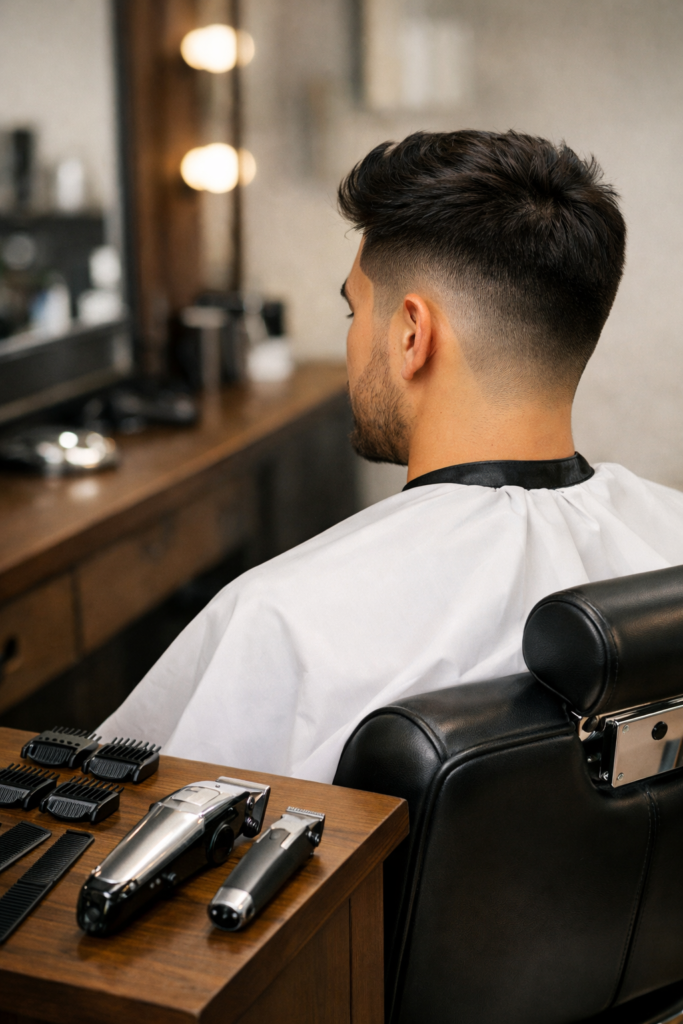
Before you start drawing, it’s important to study the various types of men’s hairstyles and textures. Straight, wavy, curly, and coiled are common types you’d encounter. Each type reflects light differently and has unique dynamics. Begin by observing photos or real-life examples to understand how each type falls naturally.
Step 2: Start with the Hairline
The hairline forms the basis of drawing hair and defines how it frames the face. Start by lightly sketching the hairline on your subject. This line can vary greatly from individual to individual based on age and style.
Step 3: Sketch the Overall Shape
Once you have the hairline, sketch the outline of the hair, keeping the individual’s hairstyle in mind. Use quick, light strokes to avoid hard lines, allowing for easier adjustments as you work through the drawing.
Step 4: Add Volume and Flow
Begin refining the shape by adding volume. Consider how gravity affects the way hair falls. With men’s hairstyles, certain parts may have more volume, such as the top or front, depending on styling techniques like combing or the natural wave.
Step 5: Focus on Lights and Shadows
Pay attention to how light interacts with the hair. Use shading techniques to create depth and dimension. Highlights and shadows will vary across different sections and thickness of hair. Observing how light plays on different textures helps in rendering it realistically.
Step 6: Define Strands and Details
Use fine lines to add individual strands and details. This step brings your drawing to life, adding depth and texture. However, don’t overdo it; too many lines can make the hair look unnatural or busy.
Tools and Materials
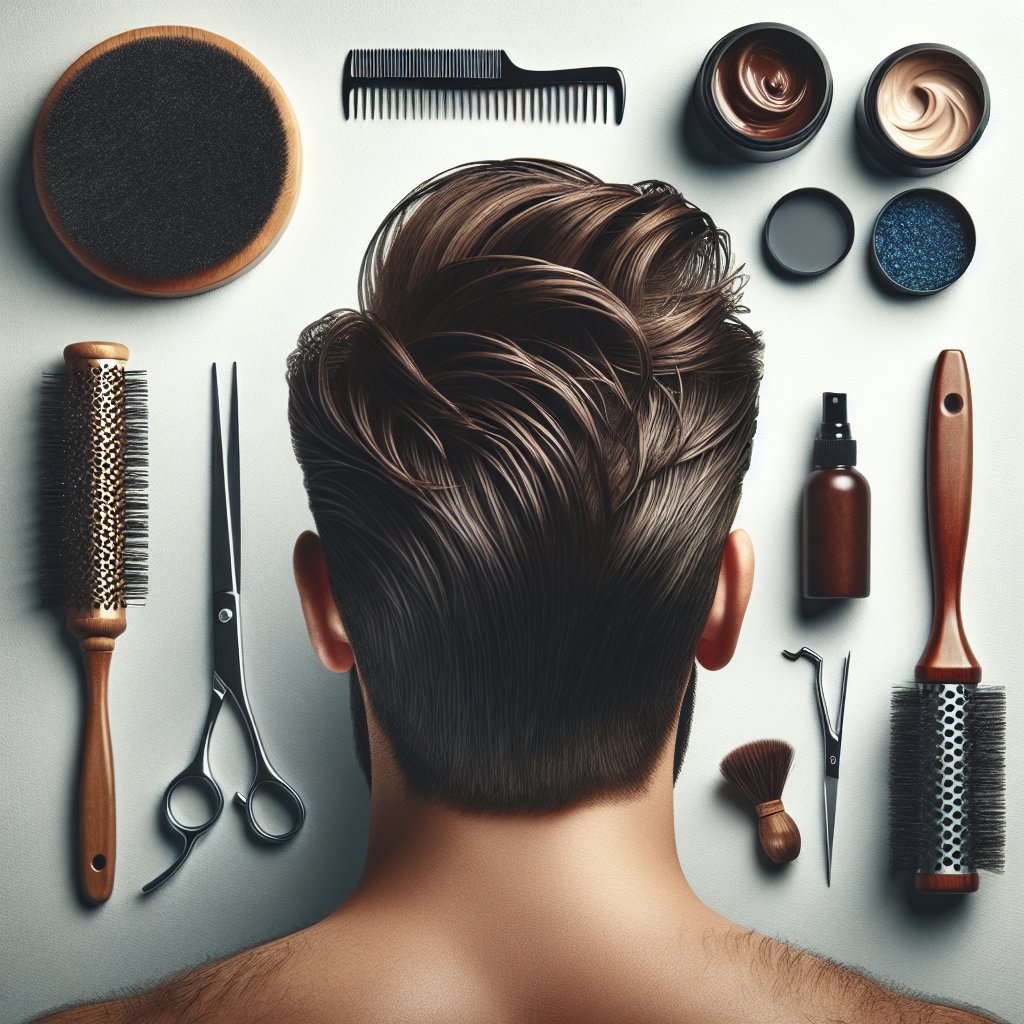
When preparing to draw hair, selecting the right tools is essential. Graphite pencils of varying hardness can help achieve different line strengths for shading and detailing. Consider using blending stumps for smooth shading and erasers for highlighting. Knowing your tools well can aid in capturing the intricate details of hair.
Advanced Techniques for Realism
For artists aiming to advance their skill, delving deeper into hair dynamics can make a significant difference. Familiarize yourself with the complexities of layering hair to bring a three-dimensional effect to your drawing. Additionally, experimenting with mixed media, such as colored pencils or charcoal, can enhance visual interest.
Hair color also plays a vital role in achieving a realistic effect. Understanding how to incorporate different color shades will add vibrancy and dimension to your work. If you’re interested in exploring how hair color works with different skin tones, there’s more to learn in the realm of color theory and application.
Common Mistakes to Avoid
Even experienced artists can fall into certain pitfalls when drawing men’s hair. One frequent mistake is overemphasizing uniform strands, making the hair appear too perfect. Hair should have natural imperfections and irregularities. Another common error is incorrect shading, which can flatten the hair instead of giving it volume.
It’s also crucial to avoid the temptation to darken shadows too much without considering the source of light. Strive to reflect how natural light hits the hair, taking into account the direction and intensity of the light source.
Refining Your Technique
Continuous practice enriches your understanding of nuances such as texture variations and the play of light and shadow. Train your eye by drawing from references initially, then progress to drawing from imagination as your confidence grows. Observing how different elements complement each other enhances your overall drawing acumen.
Researching and experimenting can reveal new methods and tips for improving your craft. For instance, understanding biological aspects of hair helps in rendering it more realistically. More about this topic can be explored on Wikipedia’s Hair article.
Conclusion
Learning how to draw men’s hair is a rewarding challenge that can enhance any portrait or character you create. By methodically approaching each step and incorporating advanced techniques over time, you can achieve impressive realism in your artwork. Combining these practices will sharpen your attention to detail and deepen your understanding of artistic representation.
- Start with understanding hair types and textures.
- Build the foundation with a well-defined hairline.
- Master lights and shadows for dimensional effect.
- Use advanced tools and techniques for added realism.
- Avoid common mistakes to perfect your art.
FAQs
What pencils are best for drawing men’s hair?
Graphite pencils ranging from 2H to 6B are suitable for achieving different effects from light shading to dark details, offering versatility when rendering hair.
How can I improve my shading technique for hair?
Practice blending with tools like stumps or tissues, and study how light falls on hair by taking reference from real-life examples or photos.
Why does my drawn hair look flat?
This often occurs due to insufficient contrast; ensure you include appropriate highlights and shadowing to add depth and volume.
How long does it take to master drawing realistic hair?
Time varies based on practice frequency and experience level, but consistent practice over months can significantly improve your skills.
Can I use color when drawing hair?
Yes, using colored pencils or mixed media can add vibrancy and realism. Understanding color theory can enhance your drawings.