Undergoing a hair transplant is a significant decision and understanding what to expect during recovery is vital for optimal results. If you’re curious about the healing process 10 days after a hair transplant, you’re not alone. In this article, we will delve into the stages of recovery, common experiences, and how to care for your grafts on the 10th day post-procedure.
What to Expect 10 Days After Hair Transplant
By the 10th day after your hair transplant, you may notice several changes as your scalp continues to heal. At this point, any initial swelling and redness should have significantly subsided. Your scalp may feel slightly tender, but it is quite normal at this stage. Many patients find that they can return to their regular hair care routines with some modifications.
Scalp Condition and Healing
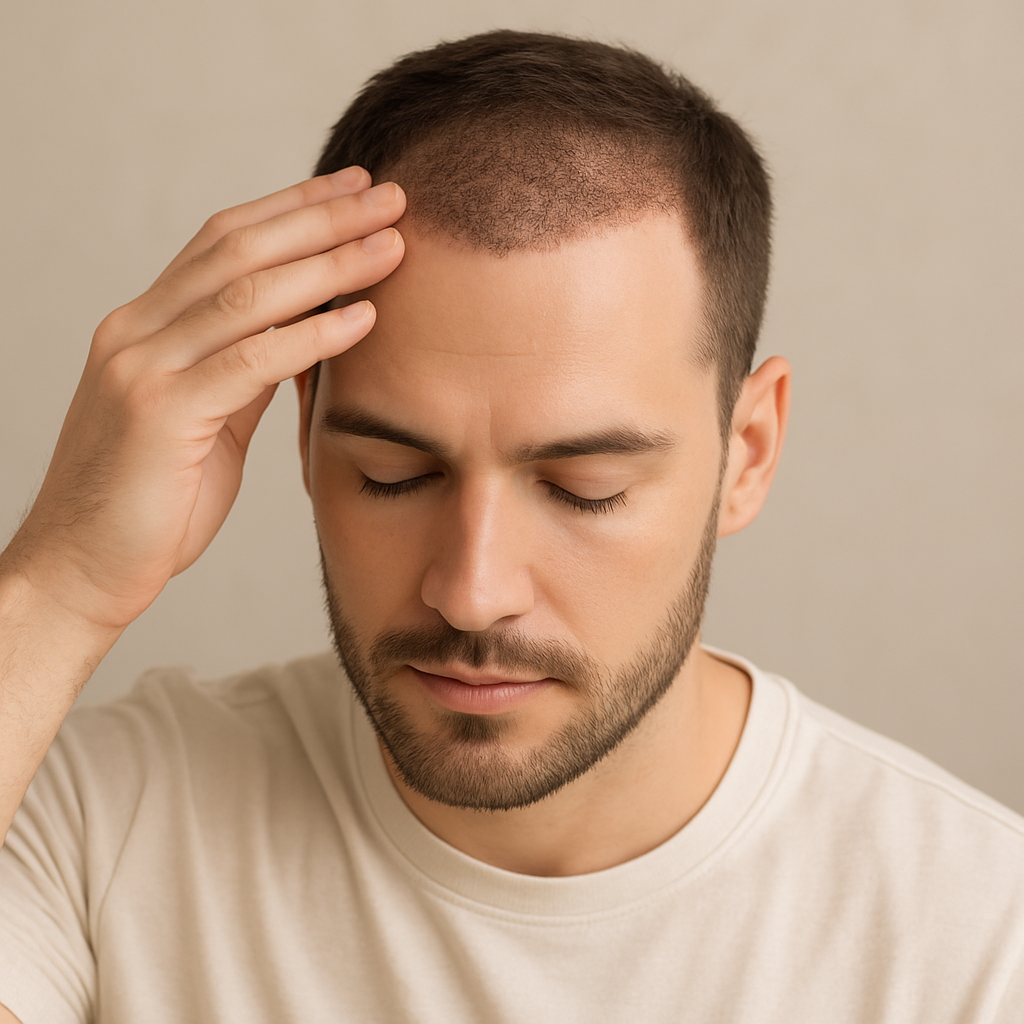
One of the main concerns patients have 10 days after a hair transplant is the condition of their scalp. The transplanted grafts should be stable, though scabs or crusts may still be present. It’s crucial not to disturb these scabs, as they are part of the natural healing process. Cleanse your scalp gently, using recommended products that soothe rather than irritate.
Some people worry about hair loss during this period. The shedding of transplanted hair, known as “shock loss,” is typical and should not be alarming. New hair growth begins afterwards, so patience is key.
Hair Washing and Care
By this stage, you can usually resume washing your hair more normally, though care should still be taken. Use a mild shampoo recommended by your healthcare provider. It is essential to follow techniques that avoid disturbing your healing scalp, such as patting rather than rubbing. Discover more about maintaining healthy hair post-transplant on our guide about conditioners and hair health.
Itching and Sensation
As new hair growth prepares to emerge, you may experience some itching. This sensation is a positive sign of healing and growth, but it’s important not to scratch the area. Some topical solutions or prescribed medications may help if the itching becomes bothersome. Always consult your clinic for advice specific to your situation.
Precautions and Considerations
On the 10th day, it’s still wise to protect your scalp from excessive sun exposure or trauma. Wearing a loose cap when outdoors can help shield the area, but be cautious to avoid anything too tight. Avoid rigorous activities that may cause sweating or strain, as this could impact the grafts.
Consult with your healthcare provider if you experience any unexpected symptoms or if you have concerns about your progress. For more detailed health resources, you may find useful information here.
Emotional Expectations
Undergoing a hair transplant is both a physical and emotional journey. On the 10th day after the procedure, many patients feel eager yet anxious about the results. Understanding that complete results take time is important for maintaining realistic expectations and emotional wellbeing. Support groups or speaking to others who’ve undergone the procedure can often provide reassurance.
A healthy lifestyle, including proper nutrition and hydration, can support your healing process. It’s important not to rush the recovery, allowing your body the time needed to adapt and regenerate.
- By day 10 after a hair transplant, expect reduced swelling and tenderness.
- Transplanted grafts are stabilizing; avoid disturbing scabs or crusts.
- Return to a gentle hair care routine, protecting the scalp from sun and physical strain.
- Emotional support may ease anxieties about recovery and results.
Frequently Asked Questions
Can I exercise 10 days after a hair transplant?
Light activity is generally safe, but it’s crucial to avoid strenuous exercises that may lead to sweating or trauma to the scalp. Always consult your healthcare provider before restarting your fitness routine.
When can I return to work after a hair transplant?
Many individuals find they can return to work within a week, but care should be taken depending on the nature of your job and environment. If your work involves physical activity or wearing helmets, longer recovery may be advisable.
Is hair shedding normal after a hair transplant?
Yes, hair shedding or “shock loss” is common in the weeks following a transplant. It’s usually temporary, with new hair growth following in a few months.
Are there medications I should take 10 days after a hair transplant?
Your clinic may recommend soothing topical solutions or medications to ease discomfort or itching. Always follow the specific guidance of your healthcare provider.
How do I know if my hair transplant is healing correctly?
While individual recovery varies, your healthcare provider will guide you on what is considered typical recovery. Any unusual symptoms such as severe pain or infection signs should be addressed immediately with your doctor.