A patchy mustache can be a source of frustration for many individuals striving to achieve a full and distinguished facial hair appearance. This common concern often stems from uneven hair growth, genetics, or even certain lifestyle factors. In this article, we will explore tips and strategies to help combat patchiness and achieve a more uniform mustache.
Understanding the Causes of a Patchy Mustache
Before addressing solutions, it’s essential to understand what may be contributing to a patchy mustache appearance. Genetic factors play a significant role in determining the density and growth pattern of facial hair. Additionally, hormonal imbalances or nutritional deficiencies may also impact hair growth. Some lifestyle factors, such as stress or poor grooming habits, could further exacerbate the problem.
Promoting Healthy Hair Growth
Encouraging healthy hair growth is a vital step in reducing patchiness. Ensuring a balanced diet rich in vitamins and minerals is essential. Nutrients such as biotin, vitamin E, and zinc may help support healthy hair growth. Incorporating foods like nuts, leafy greens, and whole grains could be beneficial. Additionally, consistent hydration keeps the skin and hair follicles in good condition.
Effective Grooming Techniques
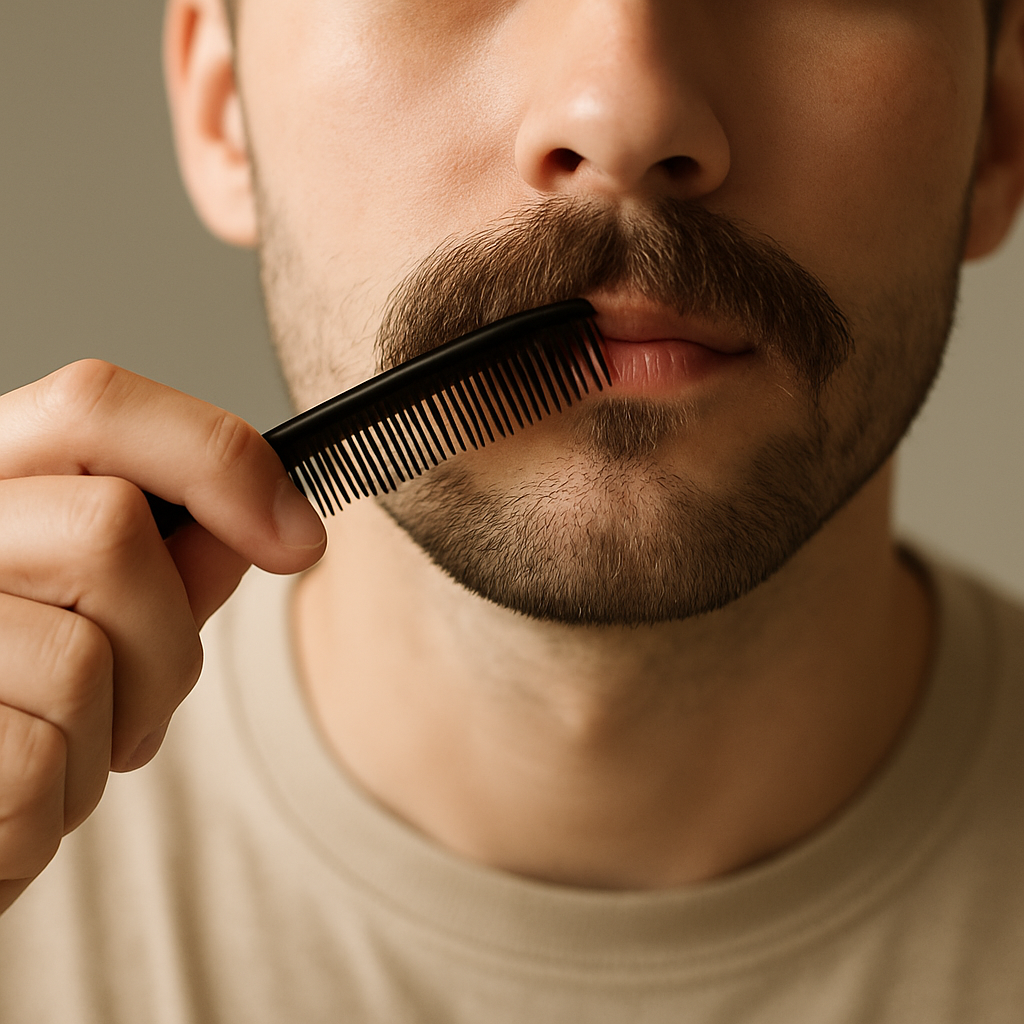
A well-planned grooming routine can make a significant difference in the appearance of your mustache. Regular trimming can encourage hair to grow more uniformly by removing split ends and promoting thicker growth. Using a quality mustache comb can help to distribute the natural oils produced by your skin, which nourish the hair and enhance its overall look.
Consider Topical Treatments
Several topical treatments may support the growth of facial hair. Products containing minoxidil, a compound commonly used to encourage hair growth, might be worth considering. Always consult your healthcare provider before beginning any new treatment, as each individual’s needs and conditions vary. Exploring natural alternatives, like jojoba oil or eucalyptus oil, may also provide beneficial effects for some people.
Additional Support for a Patchy Mustache
In some cases, embracing the natural growth pattern by styling your mustache in a way that masks patchiness can be effective. Techniques such as layering or curling the hair slightly might help create an appearance of fullness. Additionally, facial hairstyles like a goatee or beard can be styled to complement a patchy mustache.
Consult a Professional
If the patchiness persists and affects your confidence, consulting a dermatologist or a grooming expert might provide further insights. They can assess whether underlying conditions might be impacting hair growth and can recommend tailored solutions or possible medical treatments.
For more information on hair-related issues, visit our article on how steroids may impact hair growth.
Understanding the Limits
It’s crucial to maintain realistic expectations when addressing patchy facial hair. Factors such as age, hormonal changes, and individual hair growth cycles contribute to facial hair appearance. Embracing your unique look and focusing on what can be achieved through grooming and care is often the best approach.
External Support and Community
Connecting with a community of individuals experiencing similar facial hair challenges can offer support and share additional tips. Online forums, social media groups, and local meet-ups provide opportunities to discuss experiences and growth strategies.
To learn more about skin and hair health, visit the comprehensive insights available on Wikipedia’s Health page for general guidance.
In short, tackling a patchy mustache requires a combination of proper care, grooming, and potentially, medical or professional advice. Proper nutrition, effective grooming techniques, and support from treatments or community solutions can contribute significantly to achieving your desired mustache appearance.
- Genetic factors are a common cause of patchy mustaches.
- Proper grooming and nutrition may help improve hair growth.
- Topical treatments are available, but consult a healthcare provider first.
- Professional advice might be necessary for persistent issues.
- Community support can provide valuable insights.
FAQs
What causes a patchy mustache?
A patchy mustache can be caused by genetic factors, hormonal imbalances, nutritional deficiencies, or poor grooming habits.
Can diet influence facial hair growth?
Yes, a balanced diet rich in biotin, vitamin E, and zinc may support healthier hair growth and potentially reduce patchiness.
Are there effective treatments for patchy mustaches?
Topical treatments like minoxidil might be effective, but it’s essential to seek medical advice before starting any new regimen.
How can I style my mustache to hide patchiness?
Styling techniques, such as layering or curling, can help create an appearance of fullness and mask patchy areas.
When should I see a professional about my patchy mustache?
If patchiness persists and affects your confidence, consulting a dermatologist or grooming expert may provide more tailored advice and solutions.