When dealing with hair loss, many people are keen to find a reliable solution. A common question that arises is whether minoxidil is a permanent fix. Minoxidil, an FDA-approved treatment for hair growth, is often marketed as a remedy for thinning hair, but its long-term effectiveness raises questions. In this article, we will explore the duration of its effects, how it works, and whether it can truly provide a lasting solution for hair regrowth.
Is Minoxidil Permanent?
To understand if minoxidil is a permanent solution, it is essential to delve into how it functions. Minoxidil is a topical medication that, when applied consistently, may help stimulate hair follicles and promote regrowth. Despite its ability to encourage hair growth, the effects of minoxidil are not permanent. Once the usage is discontinued, there’s a possibility that new hair growth will cease, and the hair may revert to its previous state.
The temporary nature of minoxidil’s effects is due to its mechanism of action. It does not address the underlying causes of hair loss but rather provides a supportive environment for the hair to grow. As such, continuous use is often needed to maintain results.
How Does Minoxidil Work?
Minoxidil works by partially enlarging hair follicles and prolonging the growth phase of hair. This prolongation can result in increased hair density and thickness over time. It is particularly effective for individuals experiencing androgenic alopecia, a common form of hair loss.
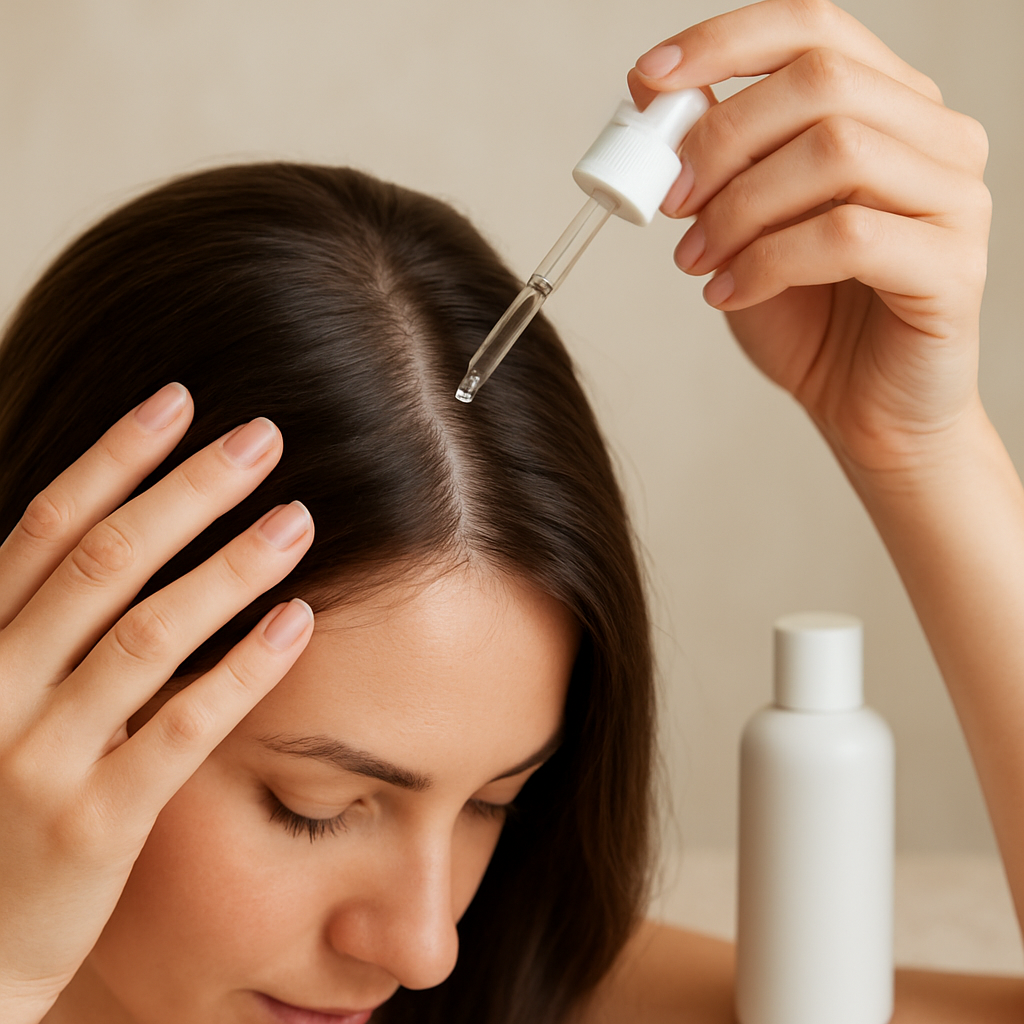
Application typically involves using a topical liquid or foam on the scalp daily. With consistent use over several months, many individuals may notice improved hair density. However, it’s important to set realistic expectations, as results can vary significantly from person to person.
Long-Term Use of Minoxidil
For individuals seeking a long-term solution, it is important to consider what extended use entails. Continuous application is often necessary to sustain results. Stopping the treatment may lead to a gradual regression to the pre-treatment state. That said, ongoing use of minoxidil is generally considered safe when applied as directed, although some users may experience scalp irritation.
Owing to its non-permanent effect, some individuals opt to augment minoxidil with other hair care strategies or treatments. These may include dietary adjustments, stress management, or even medical consultations to address underlying health conditions contributing to hair loss.
Considering Other Hair Loss Factors
Hair loss can stem from various causes, including genetics, hormonal imbalances, and even certain medications or treatments. Understanding these factors can be crucial in devising a comprehensive approach to hair care. If hair loss is suspected to be linked to other treatments, such as steroids, exploring resources like this article can provide valuable insights.
Moreover, discussing treatment options with a healthcare provider can offer personalized insights into managing hair health. While minoxidil may serve as a part of this plan, its effectiveness might be enhanced when combined with other interventions.
Research and Alternatives
Continuous research is being conducted to uncover new treatments for hair loss that may offer more lasting results. Innovations in areas such as stem cell therapy or platelet-rich plasma (PRP) treatments are being explored. These advancements might one day complement or even surpass the capabilities of current treatments like minoxidil.
For now, minoxidil remains a viable option for many seeking to combat hair thinning. Pairing its usage with a balanced diet, stress management techniques, and potential medical advice can bolster hair health. For further information on health-related topics, you can visit the Health Wikipedia page.
Ultimately, staying informed and keeping realistic expectations is key to navigating the complexities of hair loss treatment.
Conclusion: Is Minoxidil Permanent?
In summary, while minoxidil can certainly facilitate hair growth and increase density, it is not a permanent solution. Continuous application is required to maintain results, as stopping its use may lead to a reversal of gains. The non-permanence of minoxidil underscores the importance of crafting a holistic approach to hair health, one that considers various factors and treatments.
- Minoxidil can promote hair growth when used consistently.
- The effects are not permanent; stopping use may reverse progress.
- Combining minoxidil with other hair care strategies might enhance outcomes.
- Consulting a healthcare provider can offer personalized advice.
- Stay informed on advances in hair loss treatments for future solutions.
FAQs
What is minoxidil used for?
Minoxidil is primarily used to treat hair loss and promote hair regrowth in individuals experiencing thinning hair.
How long do I need to use minoxidil?
Minoxidil typically requires consistent, long-term use to sustain hair regrowth. Many users apply it daily for several months to see results.
Can minoxidil cause side effects?
Some users may experience side effects such as scalp irritation or dryness. It’s important to follow product instructions and consult a healthcare provider if symptoms persist.
Is minoxidil effective for everyone?
Results can vary by individual. Minoxidil tends to be more effective for certain types of hair loss, such as androgenic alopecia.
Can I combine minoxidil with other hair treatments?
Yes, combining minoxidil with other treatments can sometimes enhance its effectiveness. Always discuss with a healthcare provider before starting new treatments.