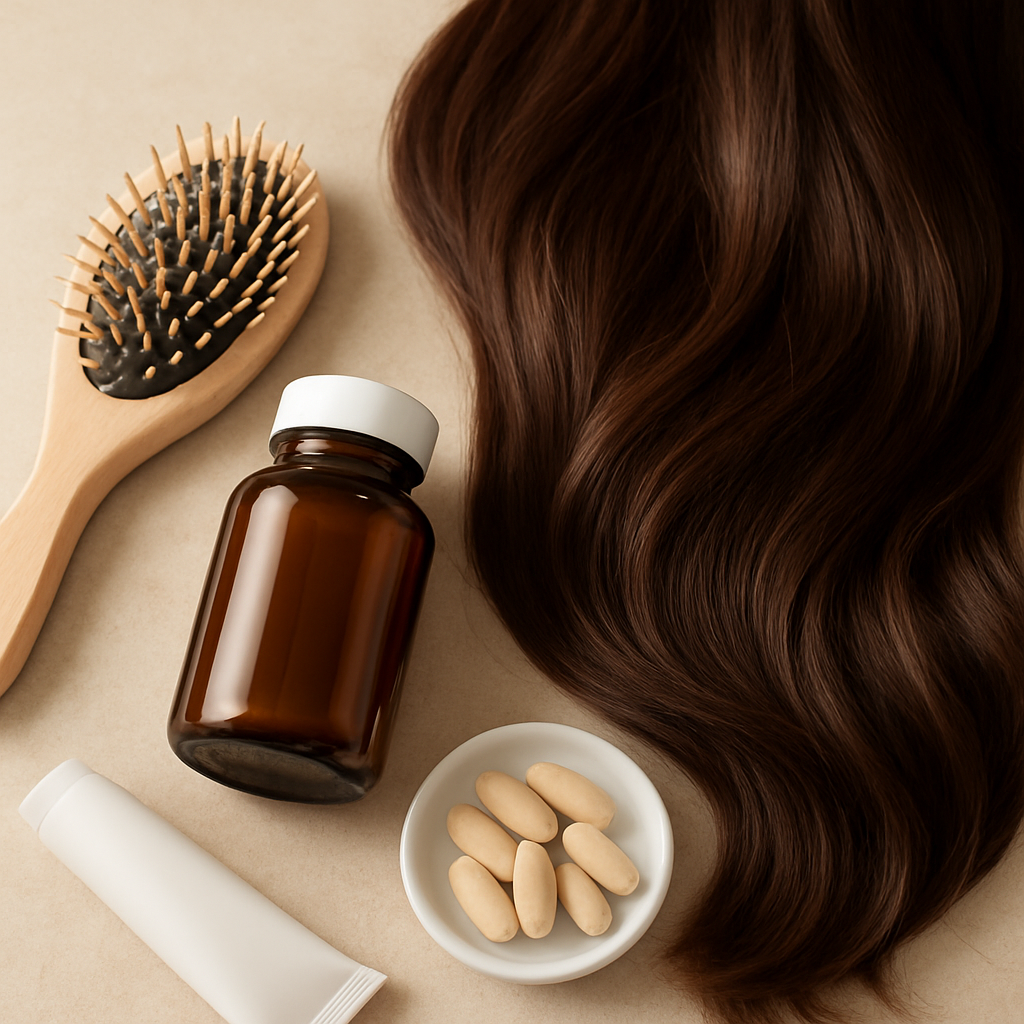
Many are turning to prenatal vitamins for healthier, fuller hair. The idea of growing hair with prenatal vitamins is gaining traction, thanks to the essential nutrients these supplements contain. But can these vitamins truly support hair growth outside of pregnancy? Let’s explore the potential benefits and considerations when incorporating prenatal vitamins into your beauty routine.
The Science Behind Hair Growth and Prenatal Vitamins
Prenatal vitamins are designed to support the health of pregnant individuals, containing higher levels of specific nutrients crucial for fetal development. Nutrients such as folic acid, biotin, and iron are known to aid not only in pregnancy but also in improving hair health by supporting stronger hair and potentially reducing hair loss.
One of the key components in prenatal vitamins is folic acid, a form of vitamin B9. Folic acid plays a crucial role in the production of red blood cells, which are necessary for delivering nutrients and oxygen to the scalp and hair follicles. This, in turn, may help foster an environment conducive to hair growth.
Benefits of Growing Hair with Prenatal Vitamins
Growing hair with prenatal vitamins may offer several advantages, especially for those experiencing hair thinning or wanting thicker locks. While not a miracle cure, these vitamins might help fill nutritional gaps that can contribute to more resilient hair strands. Additionally, the included minerals and vitamins often address common deficiencies that can lead to dull or lifeless hair.
Another vital nutrient is biotin, commonly associated with hair health. Biotin helps strengthen the hair shaft, reducing brittleness and breakage. This makes prenatal vitamins a potentially beneficial choice for anyone looking to experiment with their hair health routine.
Are Prenatal Vitamins Right for Everyone?
Before deciding to take prenatal vitamins, it is essential to consider if these supplements are the right choice for your individual needs. While they can be beneficial due to their high nutrient content, excess consumption of certain vitamins and minerals, such as iron, can be harmful. It is always recommended to consult with a healthcare provider before adding any supplement to your routine.
Bear in mind that balanced nutrition tailored to your body’s specific needs typically provides better overall health benefits, including for your hair. If hair loss is a significant concern, it might be worth exploring other potential factors, as discussed in resources such as understanding the effects of steroids on hair loss.
Ensuring Effective Use of Prenatal Vitamins
If you’ve decided to incorporate prenatal vitamins for hair growth, ensure that you do so mindfully. A balanced diet rich in proteins, healthy fats, and adequate hydration are fundamental to supporting hair health effectively alongside supplement use.
Additionally, consistency is crucial. Continuous use over several months might be necessary to observe any noticeable changes in hair health. Be patient, as hair growth largely depends on various factors, including genetics and lifestyle, along with supplementation.
Lastly, remember that hair health involves a holistic approach. Consider environmental factors, stress levels, and overall wellness as complementary aspects to work on alongside any supplementation you choose to employ.
Myth or Miracle: Final Thoughts
Ultimately, the use of prenatal vitamins for hair growth remains a topic of personal experimentation. While some individuals may report positive changes, others might see little to no difference. The journey of growing hair with prenatal vitamins involves understanding your body’s needs and keeping expectations realistic. It’s always beneficial to continue researching and learning. For further reading, check out this informative article on general health principles.
- Prenatal vitamins may support hair growth through enriched nutrients like folic acid and biotin.
- Consult a healthcare provider before starting prenatal supplements.
- Consistency and a balanced diet are key to maximizing potential benefits.
- Evaluate if prenatal vitamins align with your personal health goals.
- Individual results may vary; be patient and informed in your approach.
Do prenatal vitamins help grow hair if you’re not pregnant?
Yes, prenatal vitamins may help support hair growth if you’re not pregnant, due to their nutrient-rich composition. However, it’s important to discuss this with a healthcare professional to ensure it’s safe and suitable for your needs.
What makes prenatal vitamins beneficial for hair?
They contain essential nutrients like folic acid, biotin, and iron, which help improve hair strength and overall health by enhancing blood flow and supporting cell turnover in hair follicles.
Can prenatal vitamins cause any side effects related to hair growth?
Taking excessive prenatal vitamins may result in side effects like excessive hair growth or hair that becomes brittle due to overdose. Always adhere to recommended dosages and seek medical advice for personalized guidance.
Are there alternatives to prenatal vitamins for hair health?
Yes, alternatives like a balanced diet, regular exercise, and other hair-supportive supplements specifically designed for hair health are available. Biotin supplements and omega-3 fatty acids are examples. Consulting with a healthcare provider can help tailor a suitable plan for you.
How long does it take to see results with prenatal vitamins for hair growth?
Results can vary, but it’s generally recommended to use prenatal vitamins consistently for a few months before evaluating their effectiveness. Everyone’s hair growth cycle and response to supplementation differ, so patience is important.