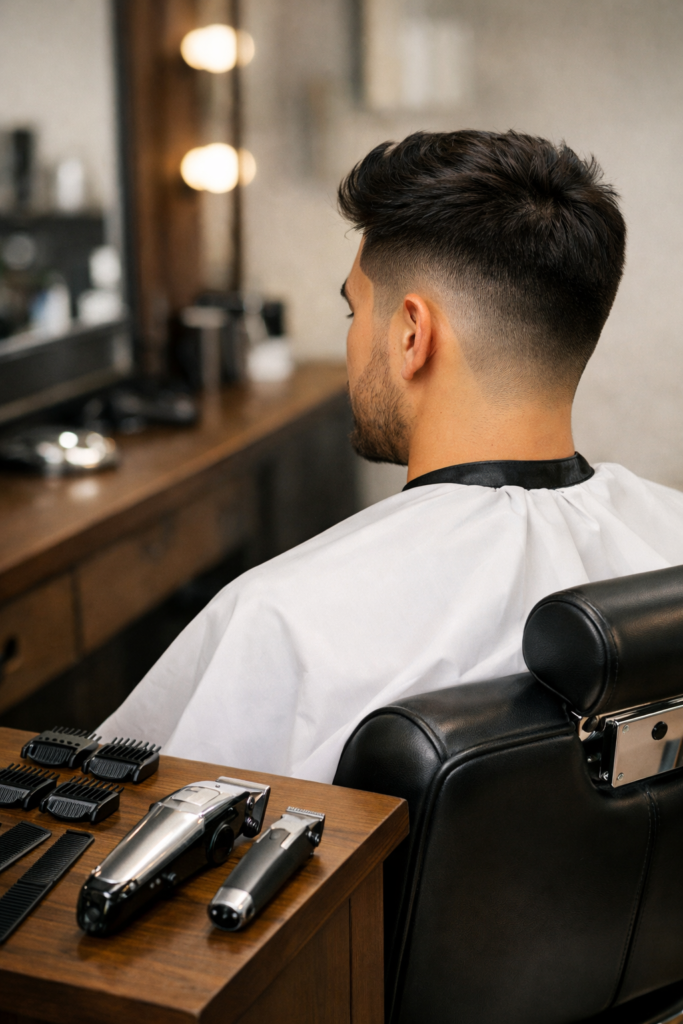
Achieving the perfect look can be challenging, but a stylish mid fade hairstyle can elevate your style effortlessly. A mid fade is a versatile and fashionable haircut that blends seamlessly from long to short, providing a sleek and modern appearance. Whether you’re preparing for a special occasion or looking to refresh your everyday style, a mid fade offers the adaptability to suit any personal preference or hair type.
Understanding the Mid Fade
The mid fade is characterized by its clean, gradual transition between hair lengths. Typically, this fade starts midway down the head, somewhere around the temples and ear line. This allows for longer hair on the top, which can be styled in various ways while the shorter sides remain neat and tidy. A mid fade is suitable for all hair types, making it a popular choice among men seeking a sharp, polished appearance.
Why Choose a Mid Fade?
A mid fade is an appealing option for several reasons. It’s a highly adaptable cut that works well with different hair textures, whether you have straight, wavy, or curly hair. With its modern and professional look, the mid fade is perfect for a range of environments, from the workplace to a casual outing. Its versatility allows you to experiment with different top styles, such as a pompadour, quiff, or slicked-back look.
Styling Tips for Your Mid Fade
Once you’ve got the perfect mid fade, maintaining it involves a few key tips. First, consider the use of quality styling products that complement your hair type. For example, a light pomade may work well for straight hair, while a hydrating mousse could enhance curls. Regular trims are essential to keep the fade looking fresh and to prevent it from growing out too fast, which may blur the fade lines.
Mid Fade and Hair Color
Enhancing your mid fade with the right hair color can further elevate your style. Consider your skin tone and choose shades that will complement your overall look. For those with cool skin tones, exploring different hair color shades that align with your style can provide a cohesive and polished appearance.
The Importance of Professional Styling
While a DIY approach can be successful, achieving a perfect fade mid-style typically requires the skill of a professional barber. A trained stylist can tailor the fade to suit your head shape and preferred style, ensuring that each transition in length is smooth and even. Regular visits to the barber can maintain the integrity of the cut and keep your hair looking sharp.
For more information on hairstyling techniques and professional tips, visit this hairstyle guide on Wikipedia, which provides extensive insights into various popular styles.
In conclusion, a mid fade is a versatile and stylish haircut that can redefine your look. Whether for personal or professional settings, this fade offers a modern twist to traditional haircut styles. By choosing a mid fade, you’re opting for a look that seamlessly blends aesthetic appeal with contemporary flair.
- Mid fade is a versatile hairstyle choice suitable for all hair types.
- It offers a balance between classic and modern hairstyle trends.
- Regular maintenance is crucial to keep the fade sharp.
- Professional barbers can provide the best results for a mid fade.
- Pair your mid fade with complementary hair color for added style.
Frequently Asked Questions
What is a mid fade haircut?
A mid fade haircut features a gradual transition from longer hair on the top to shorter sides, starting midway down the head.
How often should I trim my mid fade?
Regular trims every 3-4 weeks help maintain a sharp, clean mid fade and prevent it from losing its definition.
Can a mid fade work for curly hair?
Yes, a mid fade is versatile enough to accommodate curly hair, providing a neat and controlled appearance.
What styling products are best for a mid fade?
Use lightweight pomades for straight hair and hydrating products for curls to enhance your mid fade style.
Is a mid fade suitable for professional environments?
Absolutely, the mid fade offers a polished and modern look that is suitable for both casual and professional settings.