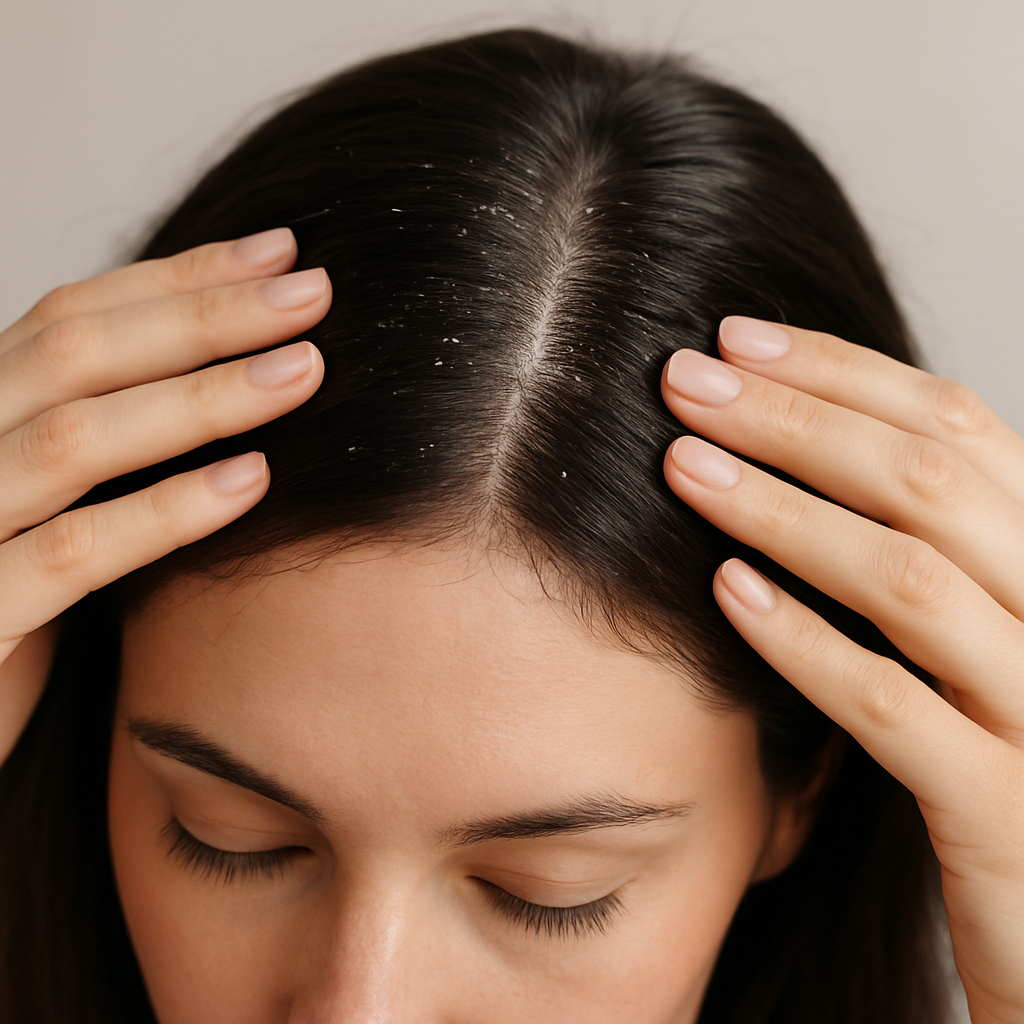
Dandruff is a common scalp condition characterized by flaking skin. Many wonder, can dandruff cause hair loss? While dandruff itself does not directly result in hair loss, it can contribute to conditions that may lead to hair thinning. Let’s explore the connection between dandruff and potential hair loss to understand how you can manage both effectively.
Understanding the Connection: Can Dandruff Cause Hair Loss?
Dandruff is primarily a result of excess scalp oil or the growth of a yeast-like fungus known as Malassezia. This can lead to itching and inflammation. When you excessively scratch your scalp, it can damage your hair follicles, potentially causing temporary hair thinning. However, the hair loss associated with dandruff is mainly due to this scratching rather than the dandruff itself.
Does Dandruff Cause Hair Loss and Baldness?
While dandruff does not usually cause permanent baldness, prolonged scratching and untreated dandruff can weaken hair over time. This can lead to a perception of hair loss. It’s crucial to treat dandruff promptly to avoid weakening your hair follicles. Maintaining scalp health with the appropriate treatments can prevent the progression to more pronounced hair thinning or even alopecia.
Can Dandruff Cause Alopecia?
Alopecia refers to hair loss in patches and can be caused by various factors, including genetics and immune system responses. Dandruff itself is not a direct cause of alopecia. However, unmanaged scalp inflammation from persistent dandruff could potentially exacerbate existing hair loss conditions. Ensuring you use effective dandruff treatments is key to maintaining a healthy scalp environment.
For more tips on maintaining hair health, you might be interested in learning about how conditioner may interact with hair loss.
Can Dandruff Cause Hair Thinning?
Hair thinning may occur if dandruff is accompanied by excessive scratching, which can damage the hair shaft. To avoid this, it’s essential to use appropriate anti-dandruff shampoos and treatments. Ingredients like zinc pyrithione and ketoconazole are effective in reducing dandruff and maintaining hair health.
Managing Dandruff to Support Hair Health
Managing your dandruff involves good scalp hygiene and using medicated shampoos. Consider the following tips for effective dandruff management:
- Use a medicated shampoo tailored for dandruff. Active ingredients like selenium sulfide and salicylic acid can help reduce flaking.
- Maintain regular washing schedules to reduce excess oils on your scalp.
- Comb your hair gently to help distribute natural oils across your scalp without causing additional irritation.
- Avoid using too many styling products that could exacerbate scalp build-up.
Does Dandruff Make You Lose Your Hair?
While dandruff itself doesn’t cause you to lose your hair, the actions taken due to an itchy, flaky scalp might contribute to temporary hair loss. It’s about managing symptoms and protecting your hair from further damage.
To understand more about hair health and the impact of various conditions, explore credible sources like the Health section on Wikipedia for detailed insights.
In conclusion, dandruff is often more of a cosmetic concern rather than a direct cause of hair loss. By understanding the condition and taking proactive steps, you can mitigate the impact on your hair. Can dandruff cause hair loss? It’s mostly indirect, through the potential damage inflicted by prolonged scratching and inflammation.
- Dandruff itself doesn’t directly cause hair loss.
- Excessive scratching can damage hair follicles.
- Effective treatment can prevent hair thinning associated with dandruff.
- Regular scalp care is crucial for both dandruff and hair health.
- Consult a healthcare provider for persistent hair loss concerns.
Frequently Asked Questions
Is dandruff permanent?
Dandruff can be a chronic condition for some, but appropriate treatments can effectively manage and reduce symptoms.
What are common triggers for dandruff?
Common triggers include stress, dietary factors, and inadequate hair washing. Identifying your triggers can help manage symptoms better.
Can shampoo make dandruff worse?
Some shampoos may exacerbate dandruff, especially if they are overly harsh or do not address your scalp’s specific needs. Opt for medicated shampoos when necessary.
Should I see a doctor for dandruff?
Consult a healthcare provider if over-the-counter treatments are ineffective or if you experience significant hair loss or itching. Professional advice can ensure you receive the appropriate care.
Could diet affect dandruff?
A well-balanced diet may support scalp health, but specific dietary changes alone are unlikely to resolve dandruff. Consider a comprehensive approach, combining healthcare advice and proper haircare.