Dealing with hair loss can be an emotionally challenging experience, especially when it relates to PCOS (Polycystic Ovary Syndrome). Many individuals seek effective strategies for pcos hair regrowth to regain their confidence and embrace healthier locks. PCOS, a hormonal disorder common among women of reproductive age, can lead to hair thinning or balding. But with informed choices and tailored approaches, hair regrowth can become a realistic goal.
Understanding PCOS Hair Regrowth
PCOS impacts hair health through hormonal imbalance, particularly an increase in androgens, which can cause hair thinning. However, several approaches may support pcos hair regrowth, focusing on both internal hormonal balance and external hair care practices.
Nutritional Support for Healthy Hair
A balanced diet rich in vitamins and minerals plays a crucial role in promoting hair health. Nutrients like vitamin D, iron, and zinc may help support hair growth. Including foods like leafy greens, nuts, seeds, and lean proteins can provide the essential nutrients your body needs for stronger hair.
Topical Treatments and Hair Care
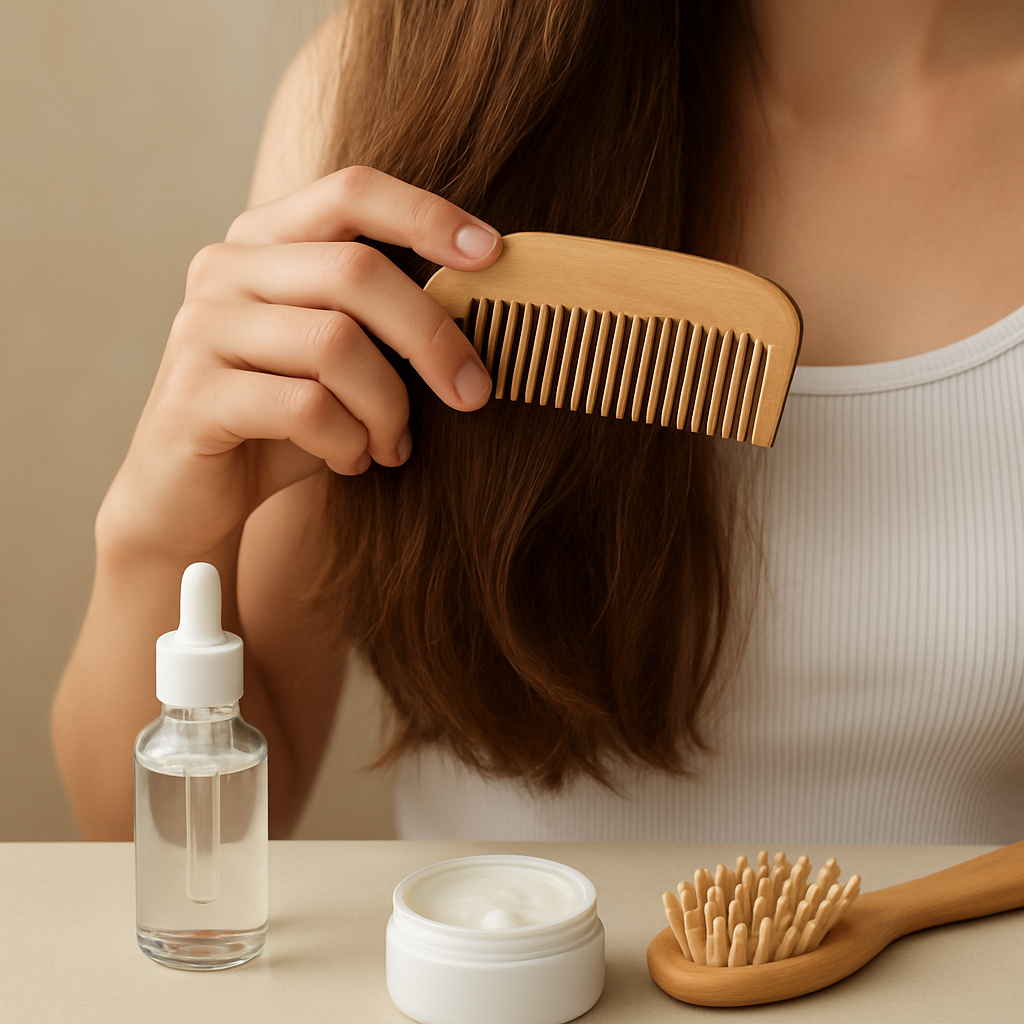
In addition to nutritional and hormonal interventions, topical treatments can be beneficial for pcos hair loss treatment. Minoxidil is a popular over-the-counter medication that may promote hair regrowth in some individuals. Furthermore, using gentle, sulfate-free shampoos and conditioners can protect existing hair and maintain a healthy scalp.
Medical Treatments and Consultation
Consulting with a healthcare professional is essential for personalized treatment options. Medications like spironolactone, which lowers androgen levels, are often prescribed to manage PCOS symptoms, including hair loss. Remember, these treatments should always be discussed with a clinician to ensure they are suitable for your specific situation.
Lifestyle Changes and Stress Management
Stress management techniques such as yoga, meditation, and regular exercise not only support overall well-being but may also positively influence hair health. Chronic stress can exacerbate PCOS symptoms, so finding effective ways to manage stress is beneficial for both mental and physical health.
For more insights on how different factors can influence hair health, check out our article on steroid impact on hair loss.
Herbal and Natural Remedies
Herbal supplements, such as saw palmetto and spearmint tea, are being studied for their potential in pcos hair loss treatment. These natural options may help reduce androgen levels, thus supporting hair regrowth, but more research is required to confirm their efficacy.
As you explore these remedies, it’s crucial to consult with a healthcare provider to ensure they complement any existing treatments and do not interfere with medications you may be taking. For more detailed information on this topic, consider checking the resources available on Wikipedia’s health page.
- PCOS can impact hair health due to hormonal imbalances.
- Balanced nutrition and stress management are important.
- Consult healthcare providers for personalized medical treatments.
- Topical treatments can aid in hair regrowth efforts.
- Herbal remedies may offer additional support but require professional advice.
What are common symptoms of PCOS that affect hair?
PCOS symptoms impacting hair include thinning, hair loss, or balding areas on the scalp due to hormonal imbalance, particularly high levels of androgens.
How long does it take for hair regrowth treatments to work?
It varies for each individual, but some people may start seeing improvements within a few months of consistent treatment. It’s important to maintain realistic expectations and continue with prescribed treatments.
Are there any side effects of using minoxidil?
Some users may experience side effects such as scalp irritation or unwanted facial hair growth. It’s advisable to discuss any concerns with a healthcare professional before starting treatment.
Can dietary changes alone significantly improve hair growth in PCOS?
While a nutritious diet can support overall hair health, it’s often most effective when combined with medical treatments, lifestyle changes, and proper hair care practices.
Is it necessary to take medication for PCOS-related hair loss?
Medication is not always necessary, but it can be effective for many individuals. Consulting with a healthcare provider will help determine the best approach for your specific condition.
Ultimately, achieving pcos hair regrowth involves a combination of lifestyle adjustments, nutritional support, and, when necessary, medical treatments. By understanding your body’s unique needs and collaborating with healthcare professionals, you can develop a comprehensive plan for healthier hair growth.