Facial hair, or the lack thereof, has long been a topic of interest and conversation. For many, the ability to grow a beard is not just a matter of aesthetics but can also reflect certain aspects of your health and genetics. However, signs you can’t grow a beard may provide insights into other underlying factors. Understanding these signs can help shed light on why some people have fuller facial hair while others do not.
Signs You Can’t Grow a Beard
If you’ve ever wondered whether your clean-shaven face is due to more than just personal grooming habits, there are several signs you might not be able to grow a beard effectively. One of the most common indicators is a lack of facial hair growth during puberty, which can suggest lower levels of androgens, the hormones responsible for male traits. Additionally, genetics play a significant role; if your relatives have sparse facial hair, it’s likely you will too. Lastly, certain medical conditions and lifestyle factors may affect beard growth.
Genetic Influence on Beard Growth
Genetics is a key factor in determining whether or not you can grow a beard. If your family history is marked by individuals with limited facial hair, this could very well be an inherited trait. Studies have identified specific genes that influence hair growth, including those affecting androgen receptors that react to testosterone. These genetic factors aren’t easily altered, but understanding them can help set realistic expectations for your beard growth journey.
Hormonal Impact
The hormones known as androgens, which include testosterone, are critically linked to the development and maintenance of male characteristics, including facial hair. If a man’s body produces lower levels of testosterone, it may result in sparse facial hair or an inability to grow a beard altogether. While some turn to hormonal treatments, these should only be considered under the guidance of a healthcare provider. You can explore more about the effects of hormones on hair loss in our internal resource.
Medical Conditions Affecting Beard Growth
Certain medical conditions can play a role in your facial hair capabilities. Conditions such as alopecia areata, which causes patchy hair loss, and hypothyroidism, where the thyroid gland is underactive, can significantly affect hair growth, including facial hair. If you suspect a medical condition is impacting your ability to grow a beard, it’s advised to consult with a healthcare professional for tailored advice.
Lifestyle and Beard Growth
Beyond genetics and hormones, your lifestyle choices can also influence beard growth. Factors such as diet, stress, and exercise can all play a role. A nutritious diet with adequate protein, vitamins, and minerals supports overall hair health. Exercise can improve blood circulation, potentially promoting hair growth. Conversely, high stress levels might disrupt hormonal balance, negatively impacting beard growth.
Boosting Facial Hair Growth
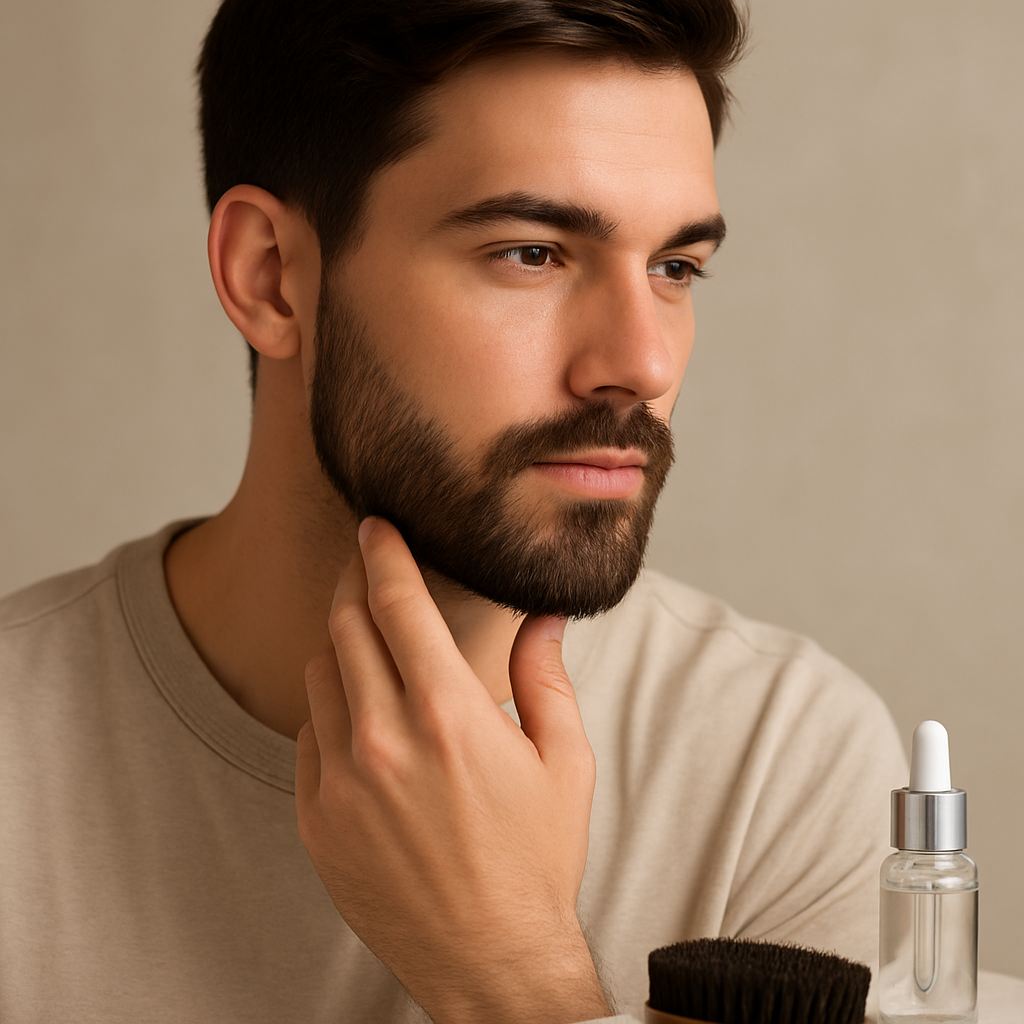
While some might face genetic or hormonal challenges in growing a beard, there are ways to potentially improve facial hair growth. Ensuring a healthy lifestyle rich in essential nutrients is vital. It’s also important to maintain good skincare practices to support optimal hair follicle health. Products such as beard oils and conditioners can nurture the skin and existing facial hair.
Ultimately, patience is crucial. Facial hair grows in cycles, and it might take several months before you notice substantial changes. For more information on how lifestyle choices can impact hair, you can visit this external health resource.
In conclusion, understanding the signs you can’t grow a beard can provide insights into your personal and family history but also reflect broader health factors. Accepting and embracing your unique characteristics is just as important as attempting to enhance them.
- Facial hair growth is profoundly influenced by genetics.
- Hormonal levels can significantly affect your ability to grow a beard.
- Certain medical conditions can impact facial hair growth.
- Lifestyle choices such as diet and exercise play crucial roles.
- Consult with healthcare professionals for personalized advice.
Is it normal not to be able to grow a beard?
Yes, it is normal for some individuals to have difficulty growing a beard due to genetic, hormonal, or health reasons.
What can I do to improve my beard growth?
Maintain a healthy lifestyle with a balanced diet, regular exercise, and proper skincare. These steps can support overall hair health.
Can hormones play a role in beard growth?
Yes, hormones such as testosterone are essential for beard growth. Low levels might result in sparse or absent facial hair.
Should I consult a doctor if I can’t grow a beard?
If you are concerned about your lack of facial hair, consulting with a healthcare provider can help identify underlying causes and possible solutions.
Are hair growth products effective for facial hair?
While some products may help, their effectiveness varies. Ensure you use products safely and consult with professionals as needed.