For those looking to enhance their wellness routine with natural supplements, a common query arises: how much pumpkin seed oil should I take daily? This versatile oil is valued for its potential health benefits, including support for heart health, anti-inflammatory properties, and promoting healthy hair and skin. However, understanding the appropriate daily intake is crucial to gaining these benefits without overconsumption.
How Much Pumpkin Seed Oil Should I Take Daily?
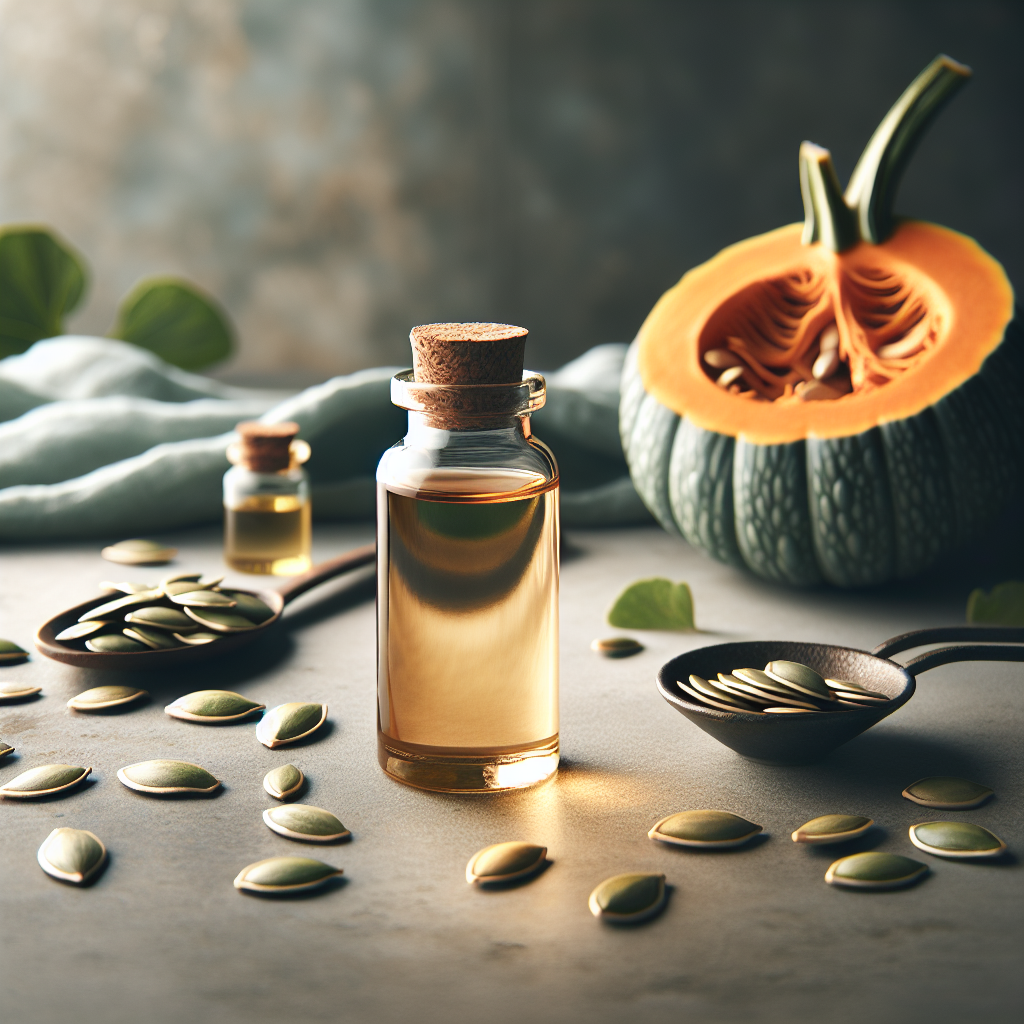
The optimal daily dosage of pumpkin seed oil can vary based on individual health needs and consultation with a healthcare provider. Generally, studies suggest that a dose of 1 to 2 tablespoons (approximately 15 to 30 milliliters) daily can be beneficial for most adults. This modest amount allows individuals to reap the oil’s potential advantages, such as supporting urinary tract health and improving hair growth, specifically in those with hair thinning issues.
It’s vital to incorporate pumpkin seed oil as part of a balanced diet, either by drizzling it over salads or using it as a cooking oil at low temperatures. Keep in mind that some formulations, like supplements in capsule form, may suggest different dosages. Always check the product label and consult a healthcare professional if you’re uncertain about how much pumpkin seed oil to incorporate into your diet.
Understanding the Benefits of Pumpkin Seed Oil
Pumpkin seed oil is packed with nutrients like Vitamin E, zinc, omega-3 and omega-6 fatty acids, and other antioxidants that may promote overall health. These components can help reduce inflammation, enhance metabolic health, and support cardiovascular function. The oil is also explored for its potential role in decreasing prostate symptoms and supporting skin health.
Incorporating pumpkin seed oil into your daily regimen may provide various benefits. It’s particularly popular among those looking to maintain healthy cholesterol levels, support joint health, and strengthen their immune system. While evidence suggests these applications, it’s important to remember that such outcomes can vary from person to person.
Incorporating Pumpkin Seed Oil into Your Wellness Routine
To effectively include pumpkin seed oil in your routine, consider simple methods such as integrating it into your salad dressings or adding it to smoothies for an extra nutritional boost. Its nutty flavor is mild and can easily complement various dishes. For those who prefer a simpler method, pumpkin seed oil capsules are available as a supplement form.
Remember that consistency is key. The benefits of pumpkin seed oil, like many natural supplements, may take time to manifest. Make it part of your wellness routine over a sustained period for the best results. Consulting your healthcare provider can offer personalized guidance tailored to your individual needs and dietary preferences.
Alongside dietary modifications, maintaining a comprehensive approach to well-being can enhance the overall experience. Explore ways to incorporate self-care into your routine to boost your wellness journey. For inspiration, visit our guide on how beauty rituals can boost your well-being.
Potential Considerations and Consultations
Although pumpkin seed oil is generally safe for most individuals, it’s always wise to be observant for any adverse effects, especially if you introduce other new supplements or medications simultaneously. Side effects are rare but may include mild digestive upset or allergies in sensitive individuals. During pregnancy, breastfeeding, or when managing specific health conditions, always consult a healthcare provider before beginning a new supplement regime.
Moreover, for those inquiring, “how much pumpkin seed oil should I take daily?” seeking personalized medical advice can ensure that your health plan aligns with your unique requirements. Reliable resources, such as health information websites, provide valuable insight into the usage and benefits of natural supplements like pumpkin seed oil.
- Consult with a healthcare provider to determine your ideal pumpkin seed oil dosage.
- A typical dosage is 1–2 tablespoons daily, or as directed by a supplement label.
- The oil offers benefits for heart health, hair growth, and reducing inflammation.
- Incorporate it into your routine through diet or capsule supplements.
- Monitor for any side effects and combine with a holistic wellness plan.
What is pumpkin seed oil, and what are its benefits?
Pumpkin seed oil is an oil extracted from pumpkin seeds, known for being rich in essential fatty acids, vitamins, and minerals. Its benefits may include supporting cardiovascular health, reducing inflammation, and aiding skin and hair health.
How can I use pumpkin seed oil in my diet?
You can use pumpkin seed oil by adding it to salads, smoothies, or other cold dishes. It adds a nutty flavor and should be consumed cold to maintain its nutrient profile. For those preferring supplements, capsules are also available.
Are there any side effects of taking pumpkin seed oil?
Generally, pumpkin seed oil is safe, but some individuals may experience mild digestive issues or allergic reactions. Consult your healthcare provider before starting any new supplement, especially if pregnant, nursing, or managing a chronic condition.
What should I consider when choosing a pumpkin seed oil supplement?
When choosing a supplement, look for products with high-quality, cold-pressed oil, preferably organic. Review the label for recommended dosages and verify that the product is free from unnecessary additives.
Can pumpkin seed oil interact with medications?
While pumpkin seed oil is safe for many people, it’s important to consult with a healthcare professional about any potential interactions with medications you may be taking to ensure it’s suitable for your personal health needs.