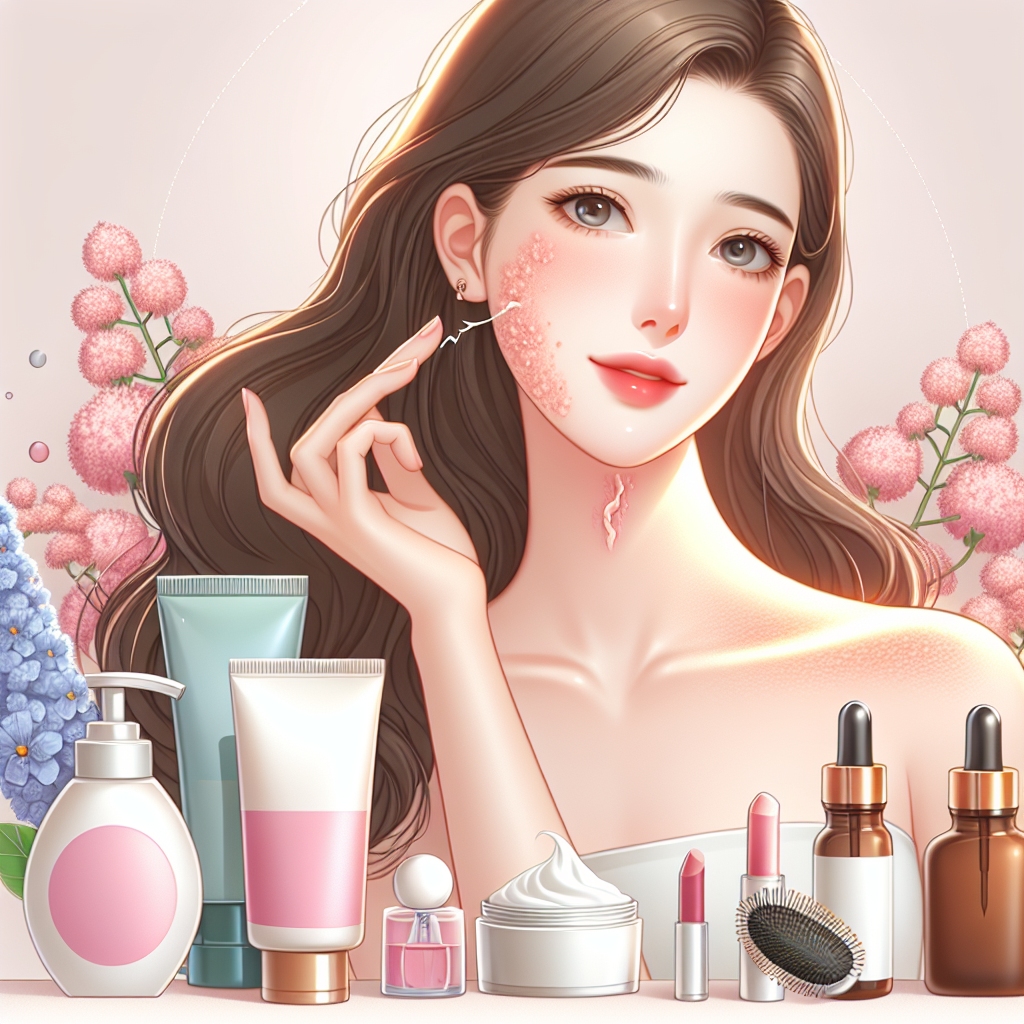
Follicular eczema is a common skin condition that causes inflammation and irritation around the hair follicles. If you’ve noticed small, rough bumps on your skin that resemble goosebumps, you might be dealing with this type of eczema. Understanding the symptoms and how to manage them can lead to healthier skin.
Understanding Follicular Eczema
Follicular eczema is a variant of eczema that affects the hair follicles. It often appears as tiny, raised bumps and can be itchy. These bumps may occur anywhere on the body but are most commonly found on the back of the arms, thighs, and cheeks. It’s essential to recognize these signs early to prevent irritation from worsening.
Although the exact cause of follicular eczema is not fully understood, several factors are known to trigger or worsen the condition, including dry skin, allergens, stress, and changes in weather. Eczema is also linked to genetic and immune system factors. Learning more about what triggers your symptoms can be a helpful first step in managing them effectively.
Managing Symptoms for Healthier Skin
To manage follicular eczema effectively, consider the following strategies:
Moisturize Regularly
Keeping skin hydrated is crucial in managing eczema. Choose a moisturizer that contains ingredients like ceramides or hyaluronic acid, which support the skin’s barrier function and help retain moisture. Apply immediately after bathing to lock in hydration.
Avoid Known Triggers
Identify and avoid substances that trigger your eczema flare-ups. Common irritants include certain soaps, detergents, and fabrics. Opt for hypoallergenic products that are gentle on the skin. For more insights, read about signs that your cleanser might be too weak.
Take Lukewarm Baths
Bathing in lukewarm water can soothe the skin and help reduce the itchiness associated with follicular eczema. Avoid hot showers, which can strip the skin of its natural oils and exacerbate dryness. Consider adding colloidal oatmeal or baking soda to your bath for extra calming effects.
Wear Breathable Clothing
Choose clothing made from breathable, natural fibers like cotton. Synthetic materials can irritate the skin and worsen eczema symptoms. Additionally, washing new clothing before wear can help remove potential irritants.
Consult a Dermatologist
For persistent or severe cases of follicular eczema, consulting a dermatologist is advisable. They may prescribe topical treatments, such as corticosteroids or calcineurin inhibitors, to help control inflammation and itching. Remember, these treatments should be used under professional guidance to avoid potential side effects.
Living with Follicular Eczema
Living with follicular eczema can be challenging, but adopting a comprehensive skincare regimen and lifestyle adjustments can lead to healthier skin and improved quality of life. Stay informed about the latest treatments and techniques to manage symptoms effectively.
For more detailed information on skin health, visit Wikipedia’s health overview.
Remember, while follicular eczema can be persistent, managing it with the right approach can significantly enhance your skin’s appearance and comfort.
- Moisturizers can help manage eczema symptoms.
- Avoiding irritants is key to controlling flare-ups.
- Lukewarm baths are gentler on the skin than hot showers.
- Consulting a dermatologist can provide tailored treatment options.
- Lifestyle changes can enhance skin health and quality of life.
FAQ
What exactly is follicular eczema?
Follicular eczema is a type of eczema that primarily affects the hair follicles, causing small, itchy bumps on the skin.
Can dietary changes improve follicular eczema?
While no specific diet cures eczema, some people find that reducing dairy or gluten helps. It’s best to consult a healthcare provider before making significant changes.
Is follicular eczema hereditary?
Yes, eczema often runs in families, suggesting a genetic component. However, external factors also contribute to flare-ups.
How can you tell if a cleanser is too harsh for eczema-prone skin?
A cleanser that leaves your skin feeling tight or irritated might be too harsh. Consider reading more about suitable cleansers here.
Are there over-the-counter treatments for follicular eczema?
Yes, there are several OTC products, such as hydrocortisone cream and moisturizers designed for eczema-prone skin. However, for persistent cases, a visit to a dermatologist is recommended.