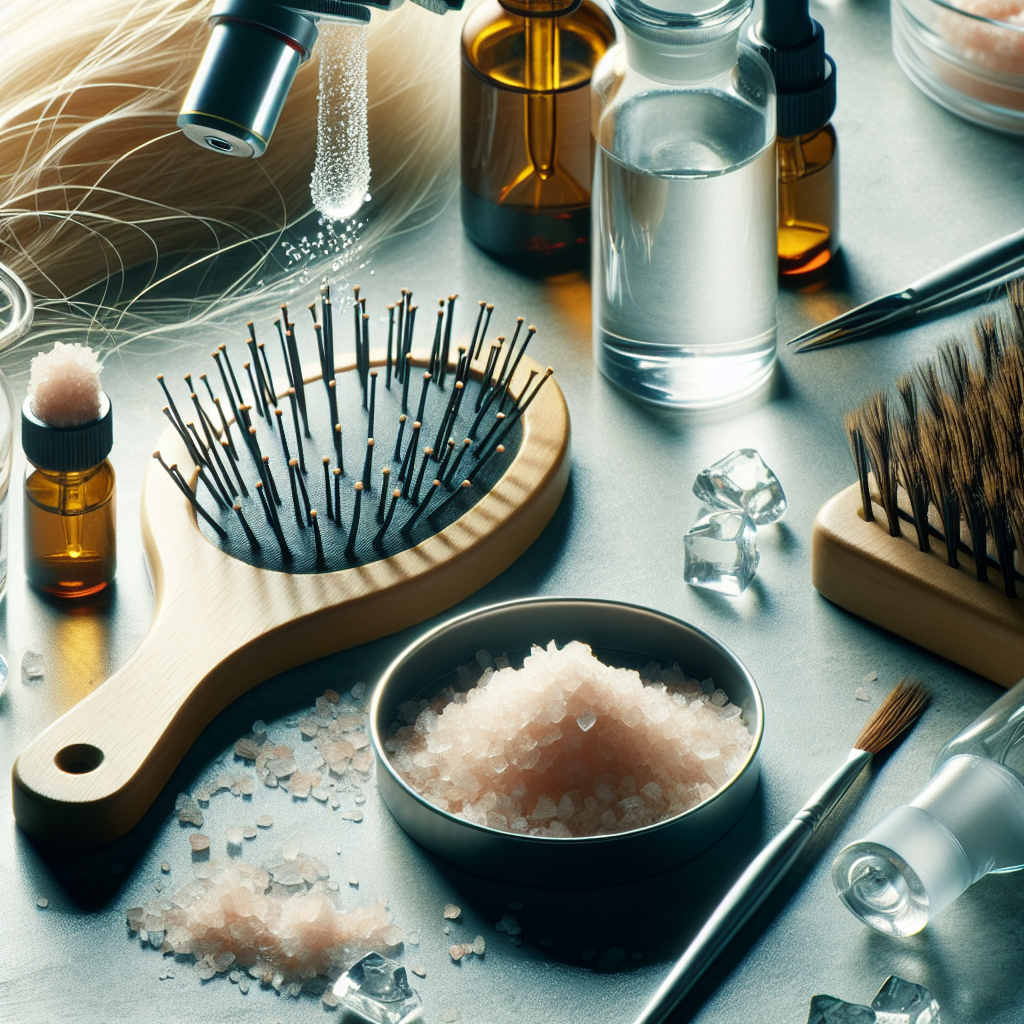
Many people wonder, “Is salty water good for your hair?” The allure of the ocean breeze and beach waves can be tempting, but it’s important to understand how saltwater truly affects your hair. By delving into both the benefits and drawbacks of saltwater, you can make an informed decision about your hair care routine. Let’s explore how saltwater might influence your hair’s health and appearance.
Is Salty Water Good for Your Hair?
Saltwater has become a popular topic in the realm of hair care. It’s known for its ability to create texture and volume, much like a beach day spent with sun-kissed hair. But, the question remains: is saltwater good for your hair in the long term?
On one hand, saltwater may enhance curls and waves, providing a natural, tousled look. However, frequent exposure can lead to dehydration and hair damage. Understanding these effects is key to maintaining healthy, beautiful hair.
The Benefits of Saltwater for Hair
Saltwater is rich in minerals like magnesium, calcium, and potassium, which may contribute to improved hair health. It is believed that these minerals can help reinforce hair follicles and cleanse the scalp, promoting a fresher feel and encouraging hair growth.
- Volume and Texture: Saltwater adds volume and texture by absorbing excess oils, making hair appear fuller and thicker.
- Natural Exfoliation: The grains of salt can gently exfoliate the scalp, removing dead skin cells and unclogging pores.
- Soothe Scalp Issues: Saltwater may alleviate some scalp issues, as its minerals can calm inflammation and reduce dandruff.
These potential benefits make saltwater an intriguing option for those seeking beach-inspired hairstyles or natural hair remedies.
The Drawbacks of Saltwater for Hair
While saltwater can provide temporary benefits, it’s essential to be aware of its potential drawbacks. Prolonged exposure without proper care can lead to significant issues, primarily due to dehydration.
- Dehydration: Saltwater can strip moisture from your hair, leaving it brittle and prone to breakage.
- Fading Color: For those with colored hair, saltwater can accelerate color fading, necessitating more frequent touch-ups.
- Frizz and Tangles: Due to moisture loss, hair can become frizzy and tangled, making it difficult to manage.
To mitigate these effects, it’s crucial to incorporate a hydrating shampoo and conditioner into your routine. You can learn more about choosing the best products for hair care.
Best Practices for Hair Care in Saltwater
If you enjoy the occasional dip in salty water, here are some tips to protect your hair:
- Rinse Out: Always rinse your hair with fresh water after a swim to remove salt residue.
- Moisturize: Follow up with a hydrating conditioner or hair mask to replenish moisture.
- Limit Exposure: Try to limit your saltwater exposure to occasional use.
- Protect Colored Hair: Use a swim cap or coat your hair with oil to protect colored strands.
- Nourish Your Scalp: Incorporate nourishing oils or treatments to keep your scalp healthy.
By taking these steps, you can enjoy the benefits of saltwater without compromising your hair’s health.
Conclusion: Is Saltwater Good for Hair?
Ultimately, the question “is salty water good for your hair” is best answered on an individual basis. While it can enhance texture and provide a beachy, natural look, it’s crucial to balance saltwater exposure with appropriate hair care. If used wisely, saltwater can be an appealing element of your hair care regimen.1
- Saltwater can enhance curls and add volume to hair.
- Frequent exposure may lead to dehydration and damage.
- Using hydrating products can help combat negative effects.
- Rinse your hair with fresh water after swimming in salt water.
- Natural minerals in saltwater might support healthier hair.
FAQ
Can saltwater help hair to grow longer?
Saltwater may aid in scalp exfoliation, which can support a healthy environment for hair growth. However, it is not a definitive method for increasing hair length.
How does saltwater affect color-treated hair?
Saltwater can accelerate the fading of color-treated hair. It’s essential to protect such hair and rinse thoroughly after exposure.
Is swimming in saltwater pools better for hair than in the ocean?
Saltwater pools usually contain fewer minerals than ocean water, potentially resulting in less hair dehydrating effects. However, regular hair care practices still apply.
What are some at-home remedies to counteract saltwater damage?
Applying deep-conditioning treatments like hair masks and oils can counteract damage, locking in moisture and minimizing breakage.
How often can I swim in saltwater without damaging my hair?
Limiting swims to once a week while incorporating protective and nourishing hair care practices should help maintain healthy hair balance.