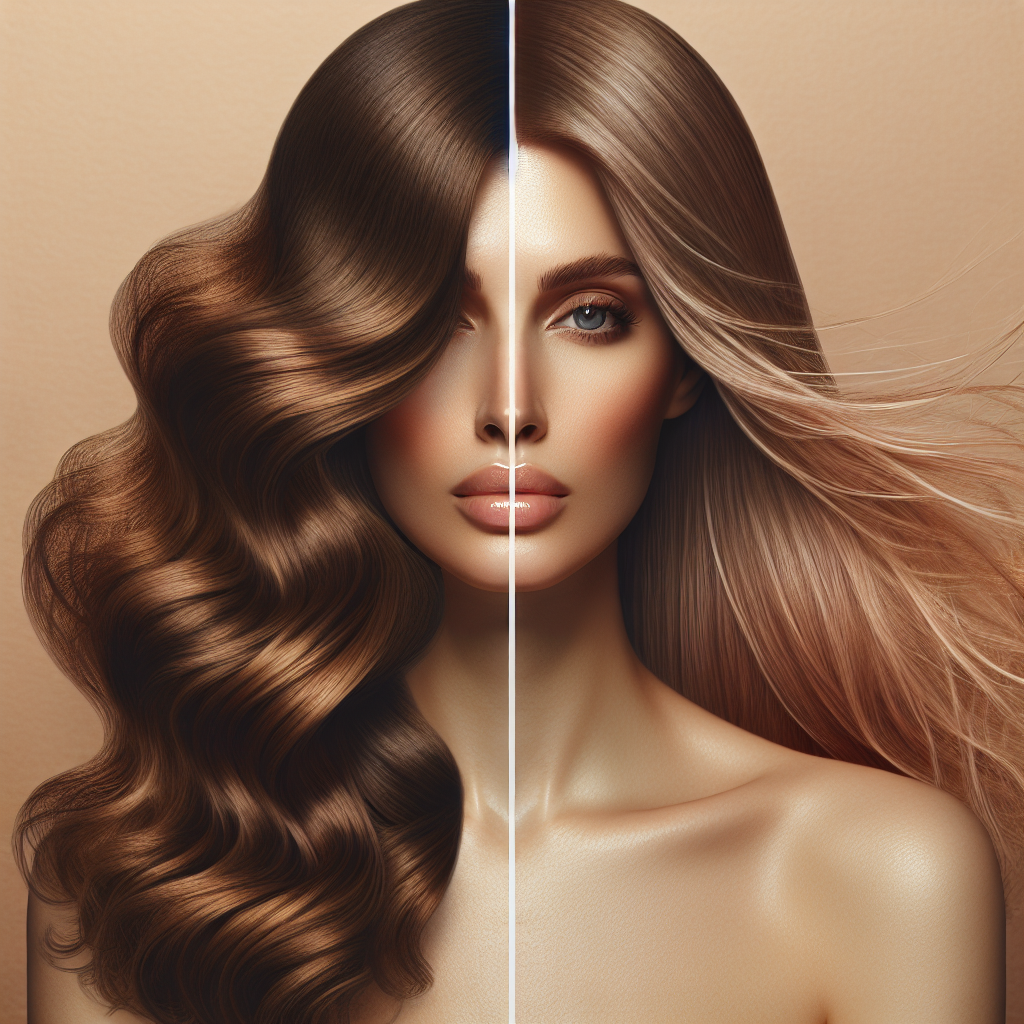
Understanding the differences between high porosity hair vs low can be essential for maintaining healthy and beautiful hair. Hair porosity refers to your hair’s ability to absorb and retain moisture, which can significantly impact how your hair reacts to products, styling, and environmental factors. Knowing where your hair falls on the porosity spectrum can help you tailor your hair care routine for the best results.
High Porosity Hair vs Low Porosity Hair: Key Differences
Hair porosity is typically classified into three categories: low, medium, and high. Each type has unique characteristics and requires different care techniques.
Characteristics of High Porosity Hair
High porosity hair has cuticles that are more open, making it easier for moisture and products to penetrate. However, this can also mean that moisture is lost just as quickly, leading to dryness and frizz. Factors that contribute to high porosity include chemical treatments, heat styling, and environmental damage.
Some common signs of high porosity hair include:
- Hair that easily absorbs water but dries quickly
- Prone to tangling and frizz
- Often looks dull and feels rough
Caring for High Porosity Hair
To properly care for high porosity hair, focus on adding moisture and sealing it in. Consider using thicker creams and oils to help lock in hydration. Regular protein treatments can also strengthen the hair shaft, minimizing damage. Deep conditioning treatments can be especially beneficial to restore moisture balance.
Characteristics of Low Porosity Hair
Low porosity hair features tightly bound cuticles, making it resistant to moisture and product penetration. While this hair type retains moisture well, it may take longer to become hydrated initially. Low porosity hair is often shiny and feels smoother, but can struggle with product build-up.
Signs of low porosity hair include:
- Hair that takes longer to get wet and dry
- Products may sit on the hair rather than absorbing
- Hair tends to resist chemical treatments
Caring for Low Porosity Hair
With low porosity hair, it is important to use lightweight products that will not weigh the hair down. Heat can be a helpful tool, as it assists in opening up the cuticles and allowing moisture to penetrate. Regularly clarifying your hair can also prevent product build-up and keep your tresses looking fresh.
Choosing the Right Products for Your Hair Porosity
When selecting hair products, consider your hair’s porosity to find formulations that will best meet your needs. For an in-depth guide on choosing the best products, visit our article on professional hair washing techniques.
Hair masks, leave-in conditioners, and styling products should be tailored to support the specific characteristics of high or low porosity hair. Incorporating the right products into your routine can make a noticeable difference in your hair’s health and appearance.
High Porosity Hair vs Low: Which is Right for You?
Understanding whether your hair is high porosity hair vs low can dramatically impact your hair care routine’s effectiveness. Testing your hair porosity at home is simple and can inform which products and techniques will be most beneficial for you. Analyze, experiment, and observe to find what yields the best results for your unique hair type.
For further reading on hair care science, visit this informative page.
Takeaways
- High porosity hair absorbs moisture easily but loses it quickly.
- Low porosity hair maintains moisture but resists penetration initially.
- Caring for your specific hair porosity can improve overall hair health.
- Select products that align with your hair’s unique porosity characteristics.
- Test and tailor your routine for optimal hair maintenance.
FAQs
How can I tell if I have high or low porosity hair?
A simple test involves placing a clean strand of hair in a bowl of water. High porosity hair will sink quickly, while low porosity hair will float.
What are the best products for high porosity hair?
Products that help seal in moisture, such as thick creams and oils, and protein treatments are suitable for high porosity hair.
Are there specific ingredients to avoid for low porosity hair?
Heavy oils and butters can weigh down low porosity hair. Opt for lighter formulations that won’t cause build-up.
Can hair porosity change over time?
Yes, factors like aging, chemical treatments, and environmental exposure can alter hair porosity over time.
Is one porosity type better than the other?
No porosity type is better; understanding your hair type helps you choose the right care regimen for optimal health and appearance.