Dealing with dry hair can be a challenging experience, but the right hair treatment on dry hair can help restore its vitality and shine. Dryness can be due to various factors such as environmental exposure, over-washing, and heat styling. However, understanding these causes can guide you toward selecting effective treatment options.
Understanding Hair Treatment on Dry Hair
The goal of hair treatment on dry hair is to replenish moisture and repair damage. Start by using hydrating shampoos and conditioners that are specifically designed for dry hair. These products often contain nourishing ingredients like argan oil, shea butter, and aloe vera, which help to lock in moisture.
Moisturizing Masks and Conditioners
Deep conditioning treatments and hair masks offer intensive moisture options. Apply these treatments once a week to allow your hair to absorb essential nutrients. Look for masks that include natural oils and proteins to strengthen your hair strands. For a guide to choosing the best hair products, check out our detailed advice on selecting the best products for professional hair care.
Lifestyle and Dietary Considerations
Your diet and lifestyle habits play a significant role in hair health. Ensure you are consuming adequate amounts of water, healthy fats, and proteins, which support hair strength and hydration. Additionally, consider supplements such as biotin and omega-3 fatty acids, which are being studied for their potential benefits in promoting healthy hair.
Protecting Your Hair from Environmental Damage
Environmental factors like sun exposure and windy conditions can exacerbate dry hair. Protect your hair by wearing hats or scarves when outdoors. During swimming activities, rinse your hair before entering chlorinated or saltwater pools. This simple step limits the absorption of harsh chemicals.
Air drying your hair or using a microfiber towel can also significantly reduce moisture loss compared to excessive heat styling.
Heat Styling and Maintenance
If heat styling is unavoidable, ensure you use a heat protectant spray to minimize damage. Set your styling tools to lower heat settings and limit their usage. Remember, healthy hair maintenance is about balance, so incorporate regular trims to remove split ends and maintain your hair’s health.
DIY Treatments and Natural Oils
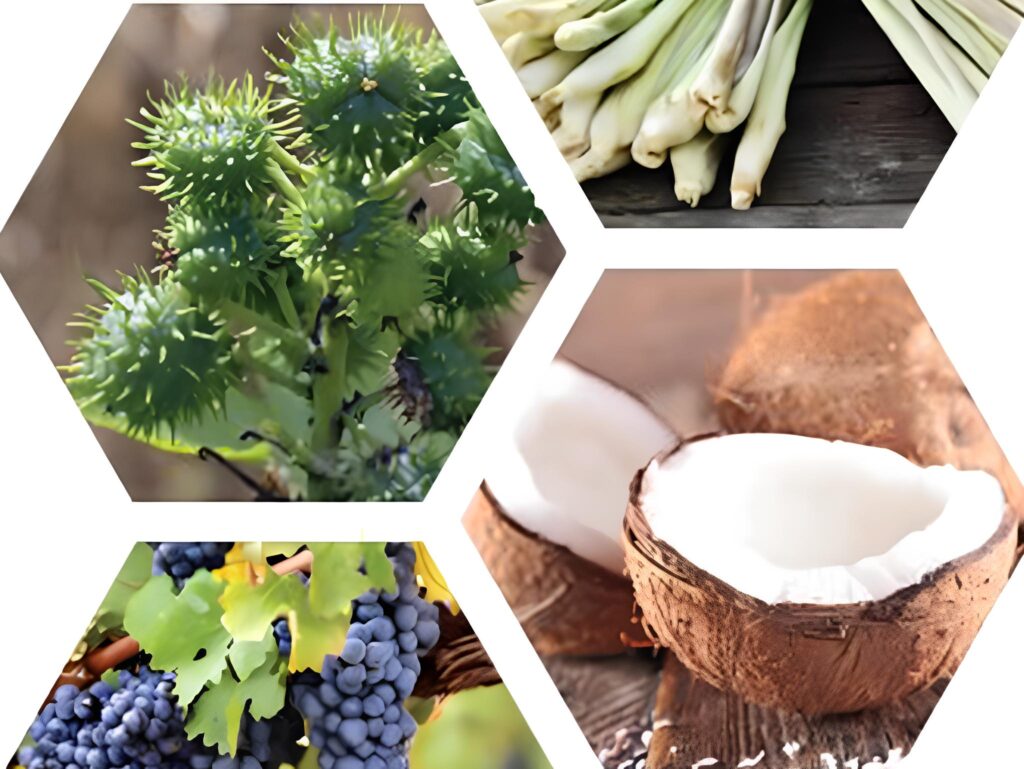
Home remedies are a cost-effective way to manage dry hair. Ingredients like coconut oil, honey, and avocado are known for their moisturizing properties. Coconut oil is particularly effective because of its ability to penetrate the hair shaft, providing deep moisture.
To use these natural remedies, simply apply the oil or a mixture directly to your hair and let it sit for at least 30 minutes before rinsing thoroughly. These treatments help improve elasticity and overall hair health.
When to Seek Professional Help
If your dry hair persists despite these efforts, it might be time to consult a professional. A hairstylist or dermatologist can provide targeted advice and recommend specific treatments to address underlying issues. They may suggest professional deep-conditioning treatments or more specialized products.
For more detailed information on hair care, you can refer to reliable sources such as the Wikipedia Health page, which offers comprehensive insights into health-related topics.
Final Thoughts on Hair Treatment on Dry Hair
With consistent care and the right hair treatment on dry hair, it is possible to transform your tresses from dry and brittle to soft and shiny. Whether it involves natural oils, dietary adjustments, or professional guidance, each step can bring you closer to your desired results.
- Avoid over-washing your hair and use products designed for dry hair.
- Incorporate deep conditioning and natural remedies into your hair care routine.
- Protect your hair from environmental damage and minimize heat styling.
- Consult professionals if dryness persists for personalized recommendations.
- Adjust your diet for overall hair health, focusing on hydration and nutrition.
What causes dry hair?
Dry hair can be caused by environmental factors, excessive washing, use of harsh hair products, and nutritional deficiencies. Identifying the root cause is crucial for selecting appropriate treatments.
How often should I use hair masks?
Hair masks are beneficial when used once a week. This frequency allows your hair to absorb the essential nutrients without excessive buildup.
Can diet affect hair health?
Yes, a balanced diet rich in vitamins, minerals, and hydration is pivotal for healthy hair. Nutrients like vitamin E, omega-3, and biotin can contribute positively to hair strength and moisture.
Are there specific ingredients to look for in hair products?
Opt for products containing moisturizing agents like argan oil, aloe vera, and shea butter. These ingredients help lock in moisture and repair damaged hair shafts.
Should I avoid heat styling completely?
It is advisable to limit heat styling as much as possible. When necessary, use heat protectant sprays and opt for lower temperature settings to minimize damage.