Understanding the difference between chapped lips and cold sores is essential for effective treatment. Both can be uncomfortable and may look similar at first glance, but they are distinct conditions with different causes. In this article, we’ll explore the traits, treatments, and prevention strategies for chapped lips vs cold sore.
Chapped Lips vs Cold Sore: How to Spot the Difference
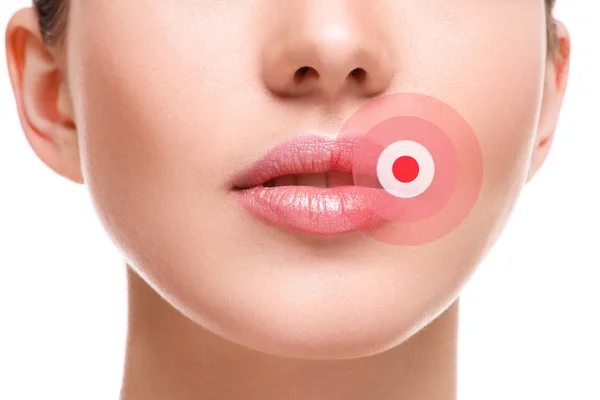
Chapped lips primarily result from dry skin, often intensified by environmental factors like cold weather, wind, and dehydration. They are characterized by dryness, cracking, and peeling of the lip’s surface. On the other hand, cold sores, also known as fever blisters, are caused by the herpes simplex virus (HSV). They typically appear as small clusters of fluid-filled blisters around the lips and can be painful.
Causes and Symptoms of Chapped Lips
Chapped lips are usually caused by external factors, including:
- Cold, dry weather
- Excessive licking of the lips
- Sun exposure
- Dehydration or insufficient water intake
Symptoms of chapped lips include dryness, redness, and sometimes bleeding or peeling. Regular application of lip balm and ensuring adequate hydration can usually manage this condition.
Triggers and Manifestations of Cold Sores
Cold sores are triggered by the herpes simplex virus, and outbreaks may occur due to:
- Stress or fatigue
- Fever or illness
- Sun exposure
- Hormonal changes
Cold sore symptoms start with a tingling or burning sensation, followed by the appearance of blisters that crust over within a few days.
Effective Treatment Strategies for Chapped Lips and Cold Sores
Treating chapped lips typically involves daily care routines such as using hydrating lip balms, drinking plenty of water, and using a humidifier during dry months. Avoiding excessive licking and applying a SPF-containing balm can also prevent recurrent dryness.
Cold sores require antiviral treatments for faster healing and relief from pain. Over-the-counter creams or prescribed oral medications can be effective. It’s crucial to avoid touching or picking at cold sores to prevent spreading the virus to other areas of the body.
For more in-depth strategies on addressing cold sores, consider exploring the use of a pimple patch as a protective measure.
Preventive Measures: Cold Sore or Chapped Lips
Prevention strategies differ for both conditions but focus mainly on protection and resilience building. For chapped lips, ensure consistent hydration and protect your lips against harsh weather. For preventing cold sores, it’s vital to manage stress and avoid known triggers. Zinc supplements and a healthy diet may support immune function, which is beneficial in managing herpes simplex virus outbreaks.
If you’re interested in a more scientific perspective on health and viruses, you can learn more from this comprehensive health overview.
Conclusion: Understanding Chapped Lips vs Cold Sore
While chapped lips and cold sores may seem similar, understanding their differences is crucial for proper treatment. Recognizing the symptoms and triggers associated with each can help you apply the right prevention strategies and treatments. Always consider consulting a healthcare professional for persistent or severe symptoms, as they can provide personalized guidance.
- Chapped lips are typically caused by environmental factors like dry weather and wind.
- Cold sores are viral infections resulting from the herpes simplex virus.
- Hydration and protective lip balms help prevent chapped lips.
- Antiviral treatments are necessary to manage cold sores effectively.
- Consult a healthcare professional if symptoms persist or worsen.
FAQs About Chapped Lips and Cold Sores
Are cold sores contagious?
Yes, cold sores are highly contagious, especially when the blisters are open. Avoid close contact with others and refrain from sharing personal items during an outbreak.
Can chapped lips lead to cold sores?
No, chapped lips cannot cause cold sores, as cold sores are specifically due to the herpes simplex virus. They are separate conditions with different origins.
What are some over-the-counter remedies for cold sores?
Over-the-counter options like creams containing docosanol can minimize symptoms. Oral antiviral medications may also be prescribed by your doctor for severe cases.
Is it okay to use lip balm on cold sores?
It’s best to avoid using lip balm directly on cold sores to prevent spreading the virus. Use separate lip care products during an outbreak and consider those formulated for sensitive skin.
How can I differentiate between a cold sore and chapped lips?
Cold sores start with a tingling sensation followed by blister formation, while chapped lips usually manifest as dry, cracked skin without blisters.