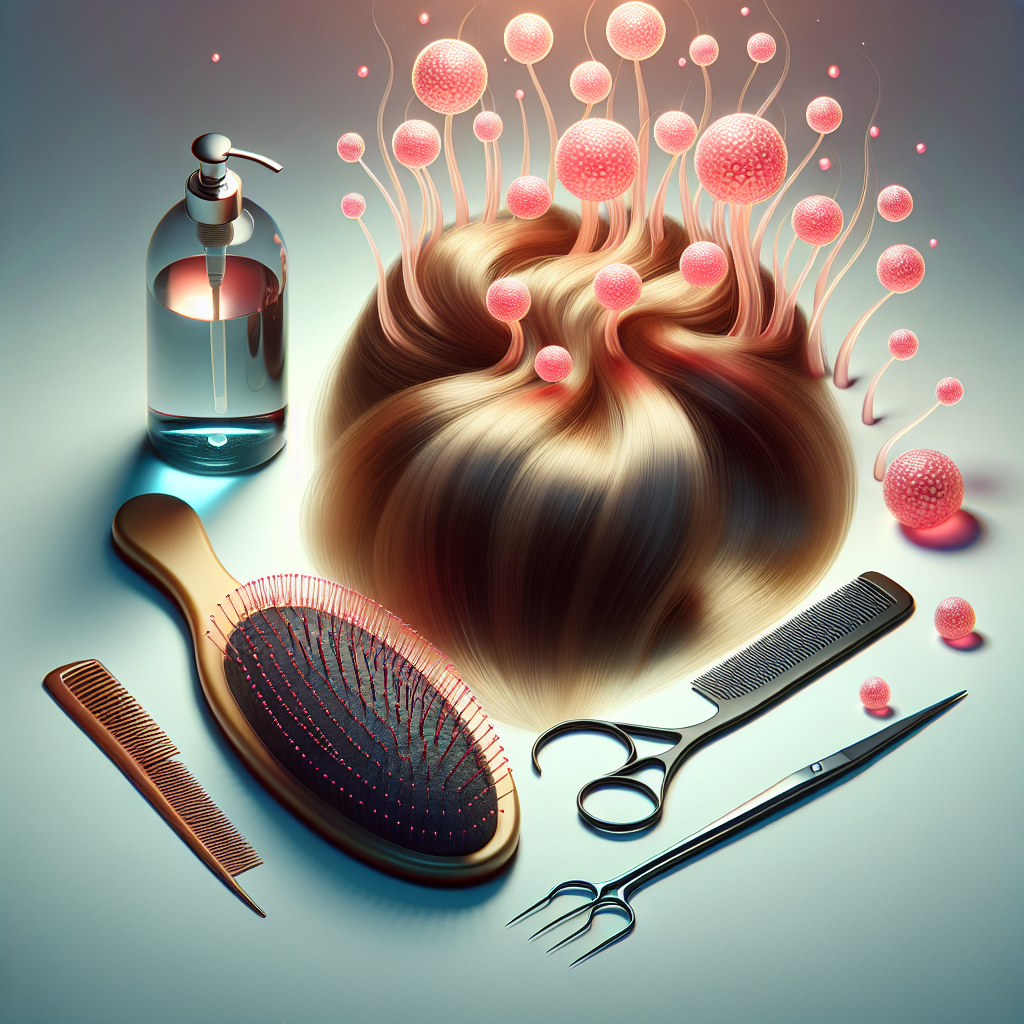
Hair cloning is emerging as an exciting frontier in the field of hair restoration, promising a revolutionary shift in how we address hair loss. This cutting-edge technique, often referred to as hair multiplication, involves replicating hair follicles to potentially regenerate new hair growth. As the demand for effective and long-lasting hair restoration solutions increases, hair cloning is becoming a focal point for researchers and clinicians alike.
Understanding Hair Cloning
Hair cloning involves the extraction and multiplication of dermal papilla cells, which are critical in hair follicle development. These cells are cultivated in a laboratory setting and then reintroduced into the scalp in hopes of stimulating new hair growth. The process is thought to potentially offer a limitless supply of hair follicles, making it a promising solution for those experiencing significant hair thinning or baldness.
Although still in its experimental stages, hair cloning technology is backed by ongoing research and clinical trials aiming to perfect the process. By addressing the root cause of hair loss and offering a sustainable solution, hair cloning could redefine the future of hair restoration.
The Science Behind Hair Multiplication
The concept of hair multiplication isn’t entirely new, but modern advancements are bringing it closer to reality. This technology focuses on duplicating the hair follicle’s cellular components, which can then be implanted back into the scalp. Unlike traditional hair transplantation, which relocates existing follicles, hair multiplication seeks to generate new ones.
The benefits of hair multiplication could be immense, potentially offering those with limited donor hair the opportunity for fuller, thicker hair. Future applications of this technology may include personalized treatments tailored to individual hair loss patterns, enhancing efficacy and outcomes.
Ongoing studies are diving deeper into the biological mechanisms that govern hair growth, aiming to harness them for successful cloning. This involves not only duplicating cells but understanding the optimal microenvironment that supports their growth and development.
Current Challenges and Future Prospects
While the promise of hair cloning is significant, challenges remain. The complexity of accurately replicating and re-implanting hair cells means that extensive research is still necessary to navigate potential pitfalls like incorrect hair growth directions or non-viable cells.
One major hurdle is ensuring that cloned hair follicles are as robust and aesthetically pleasing as natural ones. Yet, despite these challenges, optimism remains high among researchers, who are continually refining techniques and protocols.
Moreover, regulatory guidelines and long-term studies are required to ensure safety and effectiveness. The path to making hair cloning a reality involves not only scientific advancements but also ethical and regulatory considerations, akin to other biotechnological innovations.
Potential Risks and Considerations
As with any novel medical treatment, understanding the potential risks is crucial. Hair cloning, while non-invasive compared to surgical options, may still carry risks of infection or cellular rejection. These factors underscore the importance of conducting controlled clinical trials and expert oversight.
For those considering future hair restoration, consulting with a healthcare professional remains essential. Each individual’s hair loss condition is unique, and assessing suitability for techniques like hair cloning will be an integral part of personalized care.
Concerns about the ethical implications of cloning medical applications are also part of the conversation. These considerations guide ongoing research and highlight the need for transparent, patient-focused studies.
How Does Hair Cloning Compare to Other Hair Restoration Treatments?
Traditional methods such as hair transplantation and medication have been the mainstays for combating hair loss. While effective, these approaches come with limitations, such as finite donor hair or varying reactivity to medications.
Hair cloning offers a potentially game-changing alternative by cultivating new hair follicles directly from existing ones. This innovation promises not only increased hair volume but also the potential for enhanced longevity of results.
Readers interested in exploring more about hair loss triggers can consult detailed resources, such as our comprehensive guide on whether steroids cause hair loss.
As we await broader clinical availability, staying informed about developments in hair cloning is beneficial for prospective patients exploring their options.
For further reading on health-related topics, consider visiting this guide on general health.
Final Thoughts on Hair Cloning
The potential of hair cloning represents a dynamic shift in combating hair loss, offering hope for a more permanent solution. As research progresses, and with continuous refinement of techniques, the dream of reversing hair loss might soon become a reality for many. As with any emerging medical technology, hair cloning should be approached with both excitement and prudence.
- Hair cloning aims to replicate hair follicles to regenerate new growth.
- Research is ongoing, focusing on creating sustainable hair restoration solutions.
- Hair multiplication may offer advantages over traditional hair restoration methods.
- Potential risks and ethical considerations must be addressed in future studies.
- Consulting with healthcare professionals is critical for tailoring individual treatment.
What is hair cloning?
Hair cloning is a developing technology that involves duplicating hair follicle cells to potentially regenerate new hair growth, offering a promising future in hair restoration therapies.
How does hair cloning work?
The process entails culturing dermal papilla cells in a laboratory and implanting them into the scalp, aiming to stimulate new hair growth.
Is hair cloning available for public use?
Currently, hair cloning is still in the research and development phase and is not yet widely available for clinical use.
What are the potential risks associated with hair cloning?
Potential risks may include infection, cellular rejection, and improper growth patterns. Controlled studies are necessary to assess these factors safely.
How might hair cloning compare to hair transplants?
While hair transplants relocate existing follicles, hair cloning seeks to create new ones, potentially offering a solution for those with limited donor hair, subject to further research and trials.