Experiencing changes in your hairline can be an unsettling journey. The stages of a receding hairline are a common concern, often prompting many to seek solutions or understand what’s happening. A receding hairline can occur due to various reasons, including genetics, hormones, and lifestyle factors. Understanding these stages can help you make informed decisions about your hair care and treatment options.
Understanding Receding Hairline Stages
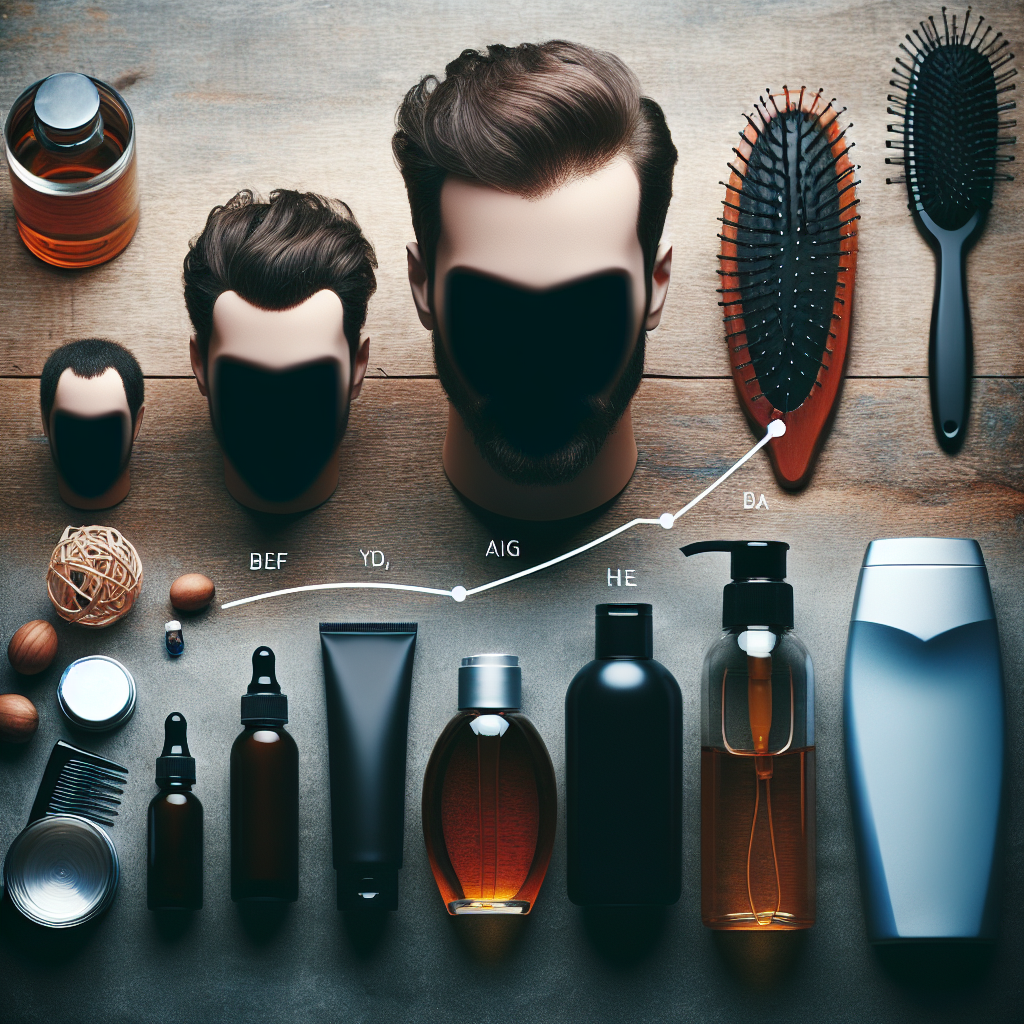
A receding hairline can affect individuals differently, depending on their unique genetic makeup and health profile. Typically, the process is gradual, starting with minor thinning and sometimes advancing to noticeable bald patches. These stages can broadly be divided into initial thinning, further recession, and potential baldness.
Stage 1: Initial Thinning
The first sign is usually subtle thinning around the temples. This stage often goes unnoticed as it can be slow and minimal. Many people begin to notice their hair isn’t as thick as it used to be, especially during styling or brushing.
Stage 2: Noticeable Recession
At this stage, the hairline may start to take on a “M” shape due to deeper thinning or bald spots at the corners of the forehead. Hair loss is more evident and may begin to affect self-esteem. Exploring treatment options or consulting a healthcare provider is often considered during this phase.
Stage 3: Advanced Recession
If hair loss continues, the hairline may recede significantly, forming an “U” shape. Bald patches could become more visible across the scalp. This stage can sometimes coincide with overall hair thinning or loss, affecting different parts of the head.
Stage 4: Severe Recession or Near Baldness
In the final stage, the hairline retreats considerably, and bald spots become prominent. Although this stage may not occur for everyone, understanding your options remains crucial. From hair restoration procedures to lifestyle changes, there are ways to manage or treat significant hair loss.
For more insights on hair loss and its causes, you can read our article about how steroids might impact hair health.
Factors Contributing to Receding Hairline
Various factors can influence hairline changes. Genetics are the primary contributor, with a family history of baldness often predicting similar outcomes. Hormonal changes, especially high levels of androgens, can accelerate hair loss. Additionally, external factors such as stress, diet, and environmental influences play a role.
The Role of Genetics
Genetics largely determine hair growth patterns. If close relatives have experienced hairline recession, it may indicate a higher likelihood for you. This predisposition often presents as male pattern baldness, although women can also be affected.
Hormonal Influences
Hormones like dihydrotestosterone (DHT) are known to affect hair follicles. Elevated levels can lead to decreased hair follicle size and reduce growth duration, hastening hairline recession.
Environmental and Lifestyle Factors
Stress and poor nutrition can exacerbate hair loss. Maintaining a balanced diet rich in essential vitamins and minerals supports overall hair health. Protective hairstyles and reducing heat exposure could also slow progression.
Managing Hairline Changes
Addressing a receding hairline involves a mix of lifestyle adjustments, healthcare consultations, and potentially cosmetic solutions. Early intervention might help slow the process and provide more options. A healthy lifestyle supporting hair health can offer benefits, even in early stages.
Consulting Healthcare Professionals
If you’re concerned about hair loss, consulting a healthcare provider can offer guidance. Specialists can recommend personalized treatment options, ranging from topical solutions to surgical interventions.
Lifestyle Adjustments and Hair Care
Eating a nutrient-dense diet with adequate vitamins and minerals can support hair strength. Additionally, managing stress through mindfulness or exercise may provide broader health benefits. Gentle hair care habits, avoiding harsh treatments, and regular trims can also aid in hair health.
Potential Treatments
Various treatments are available depending on the stage and cause of hairline recession. Options include over-the-counter products, prescription medications, and surgical methods. Each offers different benefits and risks, requiring careful consideration and consultation with a healthcare provider.
Medicinal and Topical Products
Minoxidil is a common topical treatment that may support hair regrowth in some individuals. Finasteride, another option, is typically prescribed to reduce DHT levels. Both require consistent use and may not work for everyone.
Surgical Interventions
Procedures such as hair transplants can offer long-term solutions. These involve transplanting hair from denser regions to areas of thinning. Although effective, surgery involves recovery time and financial commitment.
For a comprehensive look at health issues influencing hair loss, you can visit this external resource.
Understanding Your Journey
Each person’s experience with receding hairline stages is unique. By understanding the progression and options, you can make informed decisions about your hair health. Remember, a professional consultation is invaluable in creating a plan tailored to your needs.
- Receding hairlines progress in recognizable stages.
- Genetics and hormones play key roles in hair loss.
- Consulting professionals can provide potential solutions.
- Early-stage interventions may help slow progression.
- Lifestyle changes can improve overall hair health.
What causes a receding hairline?
A receding hairline is mainly caused by genetics and hormonal changes, particularly increased levels of DHT. Lifestyle, stress, and nutrition can also contribute.
Can hairline recession be completely stopped?
While it may not be entirely stoppable, early interventions can potentially slow down its progression. Treatments and lifestyle changes can be beneficial.
Is a receding hairline reversible?
Some treatments may promote hair regrowth, especially if started early. However, results vary from person to person.
Are receding hairlines more common in men or women?
Receding hairlines are more common in men due to male pattern baldness, but women can also experience this condition, often linked to hormonal changes.
When should I consult a doctor about hair loss?
Consider consulting a doctor if you notice significant hair loss, thinning, or changes in your hairline, especially if accompanied by other health symptoms.