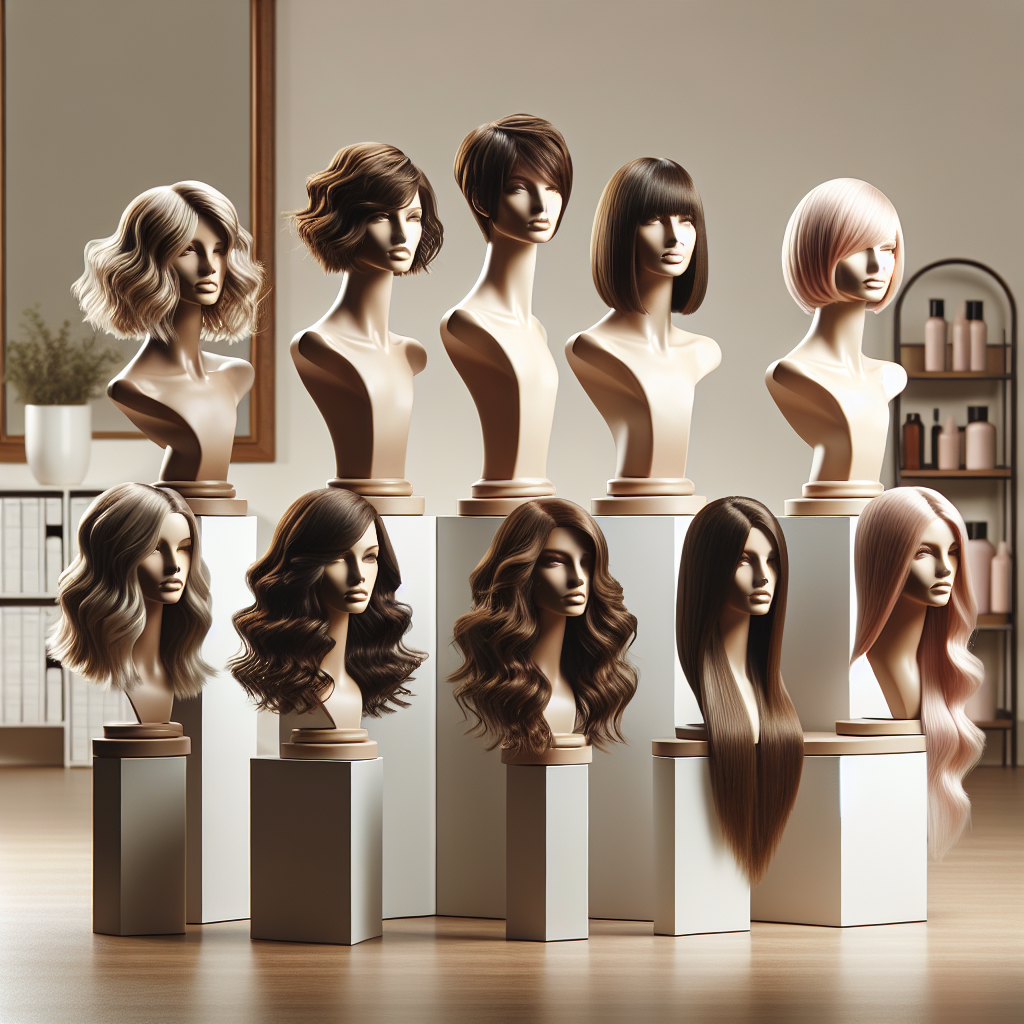
When it comes to choosing the perfect hairstyle, understanding a hair length chart can be incredibly helpful. A hair length chart provides a visual representation of different hair lengths, making it easier to communicate with your stylist and achieve your desired look. Whether you’re considering a dramatic chop or growing out your locks, knowing where your hair measures on the chart can guide you in selecting a style that complements your features and fits your lifestyle.
Understanding the Hair Length Chart
Hair length charts are useful tools in both salons and at home for assessing the stages of hair growth and identifying the various naming conventions stylists use. Let’s explore the common lengths featured in these charts and what they mean for your styling options.
Short Hair
Short hairstyles typically range from a buzz cut at 1 inch or less to a pixie cut, which is around 3 inches. This length is celebrated for its edgy appearance and low-maintenance routine. Short hair can accentuate features like cheekbones and jawlines, and it offers a fresh, vibrant look.
Medium Hair
Medium hair falls between a shoulder-length bob and touches just above the bust, generally around 12 to 18 inches. This versatile length provides flexibility in styles, allowing for both updos and loose waves. It’s a balanced choice for those who want a mix of easy maintenance and styling variety.
Long Hair
Long hair is often upwards of 18 inches, cascading past the shoulders and sometimes reaching the waist or hips. Maintaining long hair requires commitment to regular care and styling, but it offers the most styling flexibility, from intricate braids to glamorous curls.
Very Long Hair
Very long hair extends beyond the hips, often exceeding 24 inches. This length requires dedicated care to avoid breakage and maintain health. Styles like lengthy ponytails and detailed braids are popular with very long hair.
The Importance of a Hair Length Chart for Women
For women, a hair length chart serves as a crucial guide in making informed decisions about their hairstyles. Women’s hair often carries significant personal and cultural meaning, and choosing the right length is a part of expressing identity and style.
When considering a new haircut, a hair length chart can help visualize how a certain length will look on you. It’s also a valuable tool in discussions with your hairstylist, ensuring that your expectations align with your stylist’s understanding of “short” or “medium” lengths. Additionally, examining the chart allows for better planning in hair care routines, such as knowing how to tailor products and techniques to suit your hair’s current length.
Factors to Consider
Before settling on a hair length, consider various factors such as hair type, face shape, and lifestyle. For example, those with thicker hair might find that very short or very long styles require special management to avoid heaviness or maintain volume.
Your lifestyle can also influence your desired hair length. Active individuals might opt for shorter hairstyles for practical reasons, while those who enjoy spending time styling their hair might explore longer lengths.
Tips for Transitioning Lengths
- Gradually trim your hair to avoid shock and allow for adjustments in style preferences.
- Embrace protective styles to maintain hair health while reaching your desired length.
- Consult with your stylist to plan a maintenance schedule that accommodates your transition.
Maintaining Hair Health Across Lengths
No matter where you fall on the hair length chart, maintaining your hair’s health is crucial. Proper nutrition, regular trims, and appropriate products tailored to your hair’s needs can promote healthy growth and prevent damage.
For more insights on how external factors such as medications can impact your hair health, explore our detailed discussion on whether steroids can cause hair loss.
External References and Additional Resources
For further information on hair care techniques and health, consider visiting educational resources provided by credible organizations like the Health page on Wikipedia.
By using a hair length chart, you can clearly communicate your desired length with your stylist, ensuring you receive the haircut and style you’ve envisioned. Whether you’re maintaining a current style or planning a change, understanding the chart provides a solid foundation for your hair care journey.
- A hair length chart is a helpful reference for identifying hair lengths.
- Consider your lifestyle, hair type, and style preferences when choosing a length.
- Communicate clearly with your stylist using the chart for the best results.
Frequently Asked Questions
What is a hair length chart used for?
A hair length chart is used to visually represent different hair lengths, helping individuals and stylists determine specific styles and cuts.
How do I know which hair length suits me best?
Consider factors such as your hair type, face shape, and lifestyle when choosing a hair length. Consult with a stylist for personalized advice.
Can hair length affect hair health?
Maintaining a certain hair length requires appropriate care, including regular trims and suitable products, to prevent damage and promote health.
What is the best way to transition from long hair to short hair?
Gradual trims can help adjust to shorter lengths, along with consulting a stylist for suitable styles during the transition process.
Are there specific products recommended for different hair lengths?
Yes, using products tailored to your hair length and type, such as volumizing products for shorter hair or moisture-retaining products for longer hair, can enhance hair health and styling.