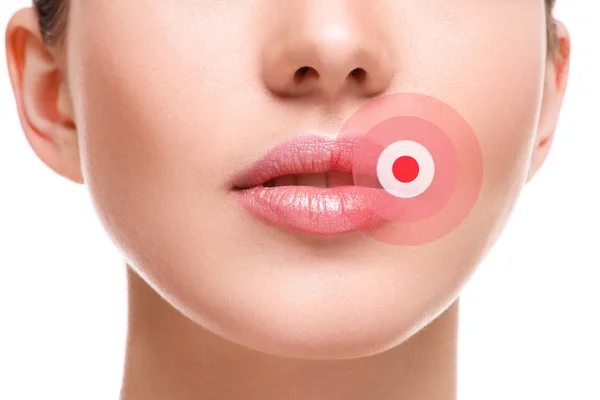
Achieving clear and radiant skin is a dream for many, but the journey to remove acne and acne scars can sometimes feel overwhelming. Acne is a common skin concern, affecting millions worldwide, and it often leaves behind scars that can be just as troubling as the acne itself. In this article, we’ll explore effective strategies to help you address these issues and move towards healthier skin.
Understanding Acne and Acne Scars
Before diving into the methods to remove acne and acne scars, it’s important to understand how they develop. Acne occurs when the hair follicles become clogged with oil and dead skin cells, leading to the formation of pimples, blackheads, and cysts. Scars form when the skin’s structure is damaged during the healing process.
Causes of Acne
Factors contributing to acne include hormonal changes, stress, diet, and genetics. It’s essential to identify any personal triggers to help manage and prevent outbreaks effectively. Learn more about how lifestyle factors may affect acne in our article on the impact of certain habits on skin health.
Types of Acne Scars
Acne scars can be categorized into two main types: hypertrophic (raised scars) and atrophic (depressed scars). Atrophic scars are further divided into ice pick, boxcar, and rolling scars, each requiring specific treatment approaches.
Strategies to Remove Acne and Acne Scars
Treating acne and its scars often involves a combination of lifestyle changes, skin care practices, and professional interventions. Here’s a detailed look at various strategies to consider:
Consistent Skincare Routine
Maintaining a consistent skincare routine is vital for preventing acne and helping diminish scars. Incorporate products with active ingredients like salicylic acid and benzoyl peroxide, which are known to control acne and improve skin texture. Regular exfoliation can help remove dead skin cells and promote healing.
Healthy Lifestyle Choices
Adopting a healthy lifestyle plays a significant role in skin health. Ensuring a balanced diet rich in fruits, vegetables, and omega-3 fatty acids may support skin health. Staying hydrated and reducing stress through activities like yoga or meditation can also be beneficial.
Natural Remedies
Several natural remedies may support the treatment of acne and scars. Aloe vera, honey, and tea tree oil have soothing properties. While these remedies can be supportive, they are not substitutes for medical treatments but can complement your skincare regimen.
Medical Treatments
For persistent acne and prominent scars, consulting a dermatologist is crucial. Treatments may include chemical peels, laser therapy, or microneedling. Each treatment comes with its benefits and risks, and a professional can tailor a plan to your needs.
Effective Use of Sunscreen
Sun protection is key to preventing further damage to acne and scarred skin. Using a broad-spectrum sunscreen daily can keep scars from darkening and improve overall skin health.
Remember, while these strategies may help, patience is essential. Results may vary based on individual skin types and the severity of acne and scars.
- Implement a consistent skincare routine with key active ingredients.
- Explore healthy lifestyle choices to support your skin from the inside out.
- Consider professional medical treatments for persistent acne and scarring.
- Protect your skin from the sun to prevent further damage.
- Consult a dermatologist for personalized advice.
FAQs
How long does it take to see results from acne scar treatments?
Results can vary depending on the treatment and individual skin type. Some treatments like chemical peels may show improvement in a few weeks, while others like laser therapy can take several months.
Can diet affect acne severity?
Diet may contribute to acne. Foods with a high glycemic index and dairy have been studied for their potential role in worsening acne. A balanced diet with plenty of fruits and vegetables may support skin health.
Are over-the-counter treatments effective for acne scars?
Over-the-counter treatments can be effective for mild scarring, particularly products containing retinoids or alpha hydroxy acids. For more severe scarring, professional treatments may be necessary.
Is it possible to completely remove acne scars?
While complete removal of scars isn’t always possible, their appearance can be significantly minimized with appropriate treatment and care. Consultation with a dermatologist can provide insights into best practices and expected outcomes.
Do natural remedies work for acne?
Natural remedies, such as aloe vera and tea tree oil, can support acne treatment. However, they are generally more effective when used along with medical treatments rather than as primary solutions.
Taking steps to remove acne and acne scars requires a thoughtful approach that combines good skincare habits, lifestyle changes, and professional guidance. By understanding your skin’s needs and seeking expert advice when necessary, achieving clearer, healthier skin is within reach.