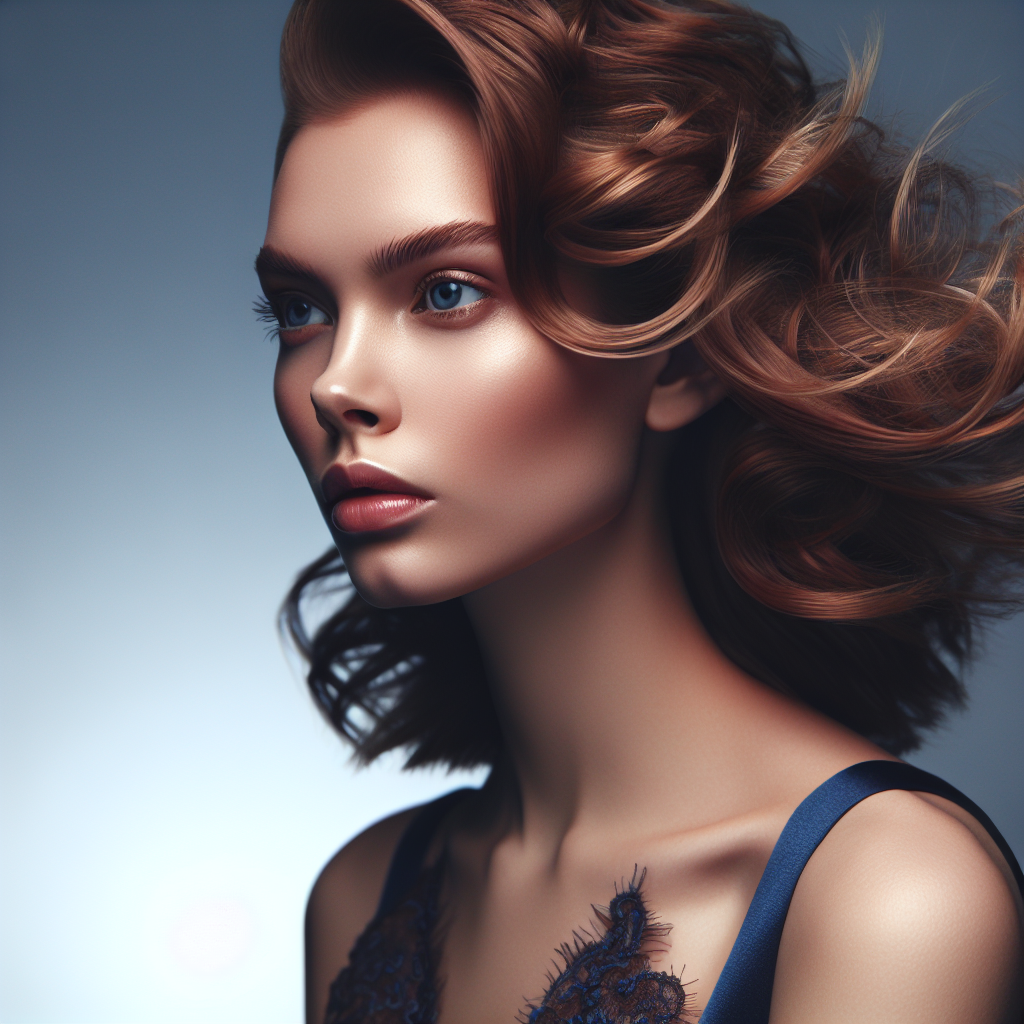
In the ever-evolving world of beauty and hairstyling, the term “wolf cutting” might have caught your attention. It’s a trendy haircut style that combines the best elements of the shaggy and mullet aesthetic, offering a unique blend that’s both edgy and versatile. As more people seek ways to express themselves through personal style, wolf cutting offers a creative option that can transform your look while highlighting your individuality.
The Basics of Wolf Cutting
Wolf cutting is characterized by its layered structure and natural, unkempt appearance. It typically features longer lengths in the back and volume on top, allowing for an effortlessly cool style. This haircut is particularly popular because it adapts well to different hair types and lengths, making it an inclusive choice for many.
Why Choose Wolf Cutting?
One of the main attractions of the wolf cutting technique is its adaptability. Whether you have straight, wavy, or curly hair, this style can work for you. It complements various face shapes and offers a low-maintenance approach without sacrificing style.
- Expressive and bold, suitable for any occasion.
- Works well with different hair textures and lengths.
- Requires minimal styling effort.
How to Achieve the Perfect Wolf Cut
To get the perfect wolf cut, it’s important to communicate clearly with your hairstylist. Discuss the amount of volume you want and the specific areas you wish to keep longer or shorter. Generally, stylists will focus on creating texture and movement, cutting in varied layers to achieve the signature look.
If you’re curious about integrating self-care into your beauty routine while exploring new styles like the wolf cut, check out our article on the power of self-care and beauty rituals.
Maintaining Your Wolf Cut
Once you’ve embraced the wolf cut, maintaining the look is straightforward. Regular trims can help sustain the shape and prevent split ends. Additionally, experimenting with different styling products such as texturizing sprays or mousse can enhance the cut’s volume and texture.
Potential Challenges and Solutions
Like any haircut, the wolf cut comes with its own set of challenges. For individuals with very thick hair, the style might require more frequent thinning or layering to maintain its shape. Conversely, those with fine hair might need to use volumizing products to achieve the desired look.
For more comprehensive information on hair care and styling trends, including the wolf cutting technique, you might find this Hairstyle Wikipedia page to be a helpful resource.
Wolf Cutting: A Stylistic Choice That Speaks Volumes
Whether you’re looking to make a bold statement or simply want to refresh your look, the wolf cutting technique offers a unique way to express your personal style. Its adaptability and effortless charm make it a popular choice for those seeking something new and exciting.
- Wolf cutting is a trendy and versatile hairstyle.
- It suits all hair types and requires minimal maintenance.
- The style offers a creative blend of volume and texture.
- Effective communication with your stylist is key to achieving the perfect cut.
FAQ
What is wolf cutting?
Wolf cutting is a hairstyle that blends the shag and mullet styles, characterized by layered volume on top and longer length at the back.
Who can wear a wolf cut?
The wolf cut is versatile and can be worn by people with various hair types, including straight, wavy, and curly hair, as well as different face shapes.
How do I style a wolf cut?
Styling a wolf cut is easy with the right products. Texturizing sprays and mousses can help enhance volume and texture for a natural, tousled look.
How often should I trim my wolf cut?
To maintain the shape and texture of a wolf cut, regular trims every 6-8 weeks are recommended to keep the style fresh and prevent split ends.
What challenges come with wolf cutting?
Challenges may include managing volume for thicker hair or adding body for finer hair. Choosing the right products can help address these issues and maintain the cut’s appearance.