Hair loss can be a common concern, leading many to wonder how many strands of hair do you lose a day. Understanding the typical rate of hair shedding and what counts as normal can help you to determine if your hair loss is within a healthy range. Let’s explore what experts say about hair loss and when you might need to seek further advice.
How Many Strands of Hair Do You Lose a Day?
According to dermatologists, it’s normal to lose anywhere from 50 to 100 strands of hair per day. This amount can vary based on several factors such as hair type, age, and overall health. Hair grows from follicles, small pockets beneath the skin. Each follicle undergoes a cycle of growth, rest, and shedding.
While 50 to 100 strands might sound like a lot, considering the average person has about 100,000 scalp hairs, it represents only a small fraction. However, some people may experience more noticeable shedding, and this could be a sign of an underlying issue.
Factors Influencing Hair Loss
Several factors can influence how many strands of hair you lose a day. Genetics plays a significant role. If your parents experienced hair loss, you might too. Hormonal changes, whether due to pregnancy, menopause, or thyroid issues, can also contribute to increased shedding.
Stress, both physical and emotional, is another contributor. Events like surgery or illness can cause a temporary increase in hair loss. Nutritional factors matter too—deficiencies in vitamins and minerals can affect hair health. Environmental factors such as exposure to harsh chemicals or excessive styling can also impact hair loss.
When to Be Concerned?
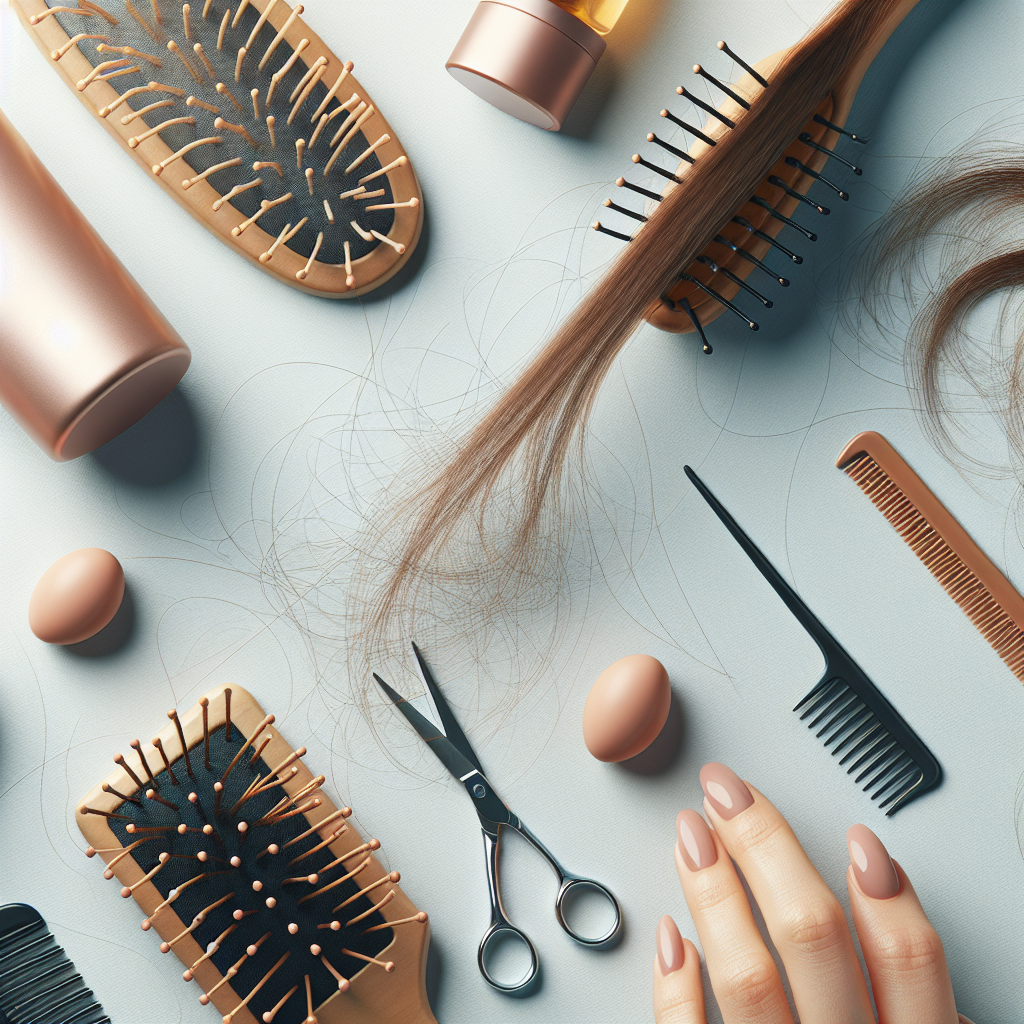
While shedding up to 100 strands a day is generally considered normal, noticing significantly more hair in your brush or shower drain could indicate an issue. Patchy spots or thinning can also be a cause for concern. If you’re worried, it’s always best to consult with a healthcare professional who can offer personalized advice.
Conditions like alopecia areata, an autoimmune disorder where the body attacks hair follicles, can lead to more dramatic hair loss. Similarly, telogen effluvium is a condition where more hair than usual shifts into the shedding phase, often following a significant stressor.
If you are using medications or supplements and notice changes in your hair, consider discussing this with your healthcare provider. For instance, certain medications may cause hair loss, and it’s essential to understand the potential side effects.
Tips for Managing Hair Health
Maintaining a healthy, balanced diet rich in essential vitamins and minerals can support your hair health. Foods like fish, nuts, and green leafy vegetables contain nutrients that are crucial for strong, healthy hair. Avoiding harsh chemicals and excessive heat styling can help minimize damage and breakage.
Practicing stress-management techniques such as yoga or meditation can also positively impact hair health. Regular exercise, good sleep, and hydration are foundational for overall wellness, which, in turn, benefits your hair.
Are There Treatments Available?
Various treatments are available for those dealing with hair loss, ranging from topical solutions to surgical options. Minoxidil is an over-the-counter treatment that can assist in hair regrowth for some people. Another option is finasteride, a prescription medication that helps prevent further hair loss in men.
For more invasive options, hair transplant surgery is available, where hair follicles are moved from one part of the body to the thinning area. However, these treatments vary in effectiveness and may not be suitable for everyone. It’s important to weigh the pros and cons with a healthcare professional.
For individuals experiencing hair loss, understanding the cause and identifying the best prevention or treatment plan is essential. With advancements in medical research, new therapies and options are continuously being studied and developed.
To further understand the science behind hair loss, the Wikipedia health page offers additional resources that can provide in-depth information on the topic.
- Normal hair loss ranges from 50 to 100 strands per day.
- Genetic, hormonal, and environmental factors can impact hair shedding.
- Consult a healthcare professional if you notice excessive hair loss.
- A balanced diet and stress management support hair health.
- Treatment options vary based on the underlying cause of hair loss.
FAQ
Is it normal to find hair in my comb every day?
Yes, it’s normal to lose hair daily. Finding some strands in your comb is part of the normal hair growth cycle.
Does stress contribute to hair loss?
Yes, stress can trigger hair loss, leading to a condition known as telogen effluvium, where more hairs enter the shedding phase.
Can diet affect how many strands of hair you lose a day?
A poor diet lacking essential nutrients can contribute to hair loss. It’s important to consume a balanced diet to maintain healthy hair growth.
How can I tell if my hair loss is not normal?
Excessive shedding, bald patches, or thinning that impacts your confidence or well-being should prompt you to seek advice from a healthcare provider.
Are there any preventative measures for hair loss?
Maintaining good hair care practices, a healthy diet, and managing stress are all steps that can help reduce the risk of excessive hair loss.