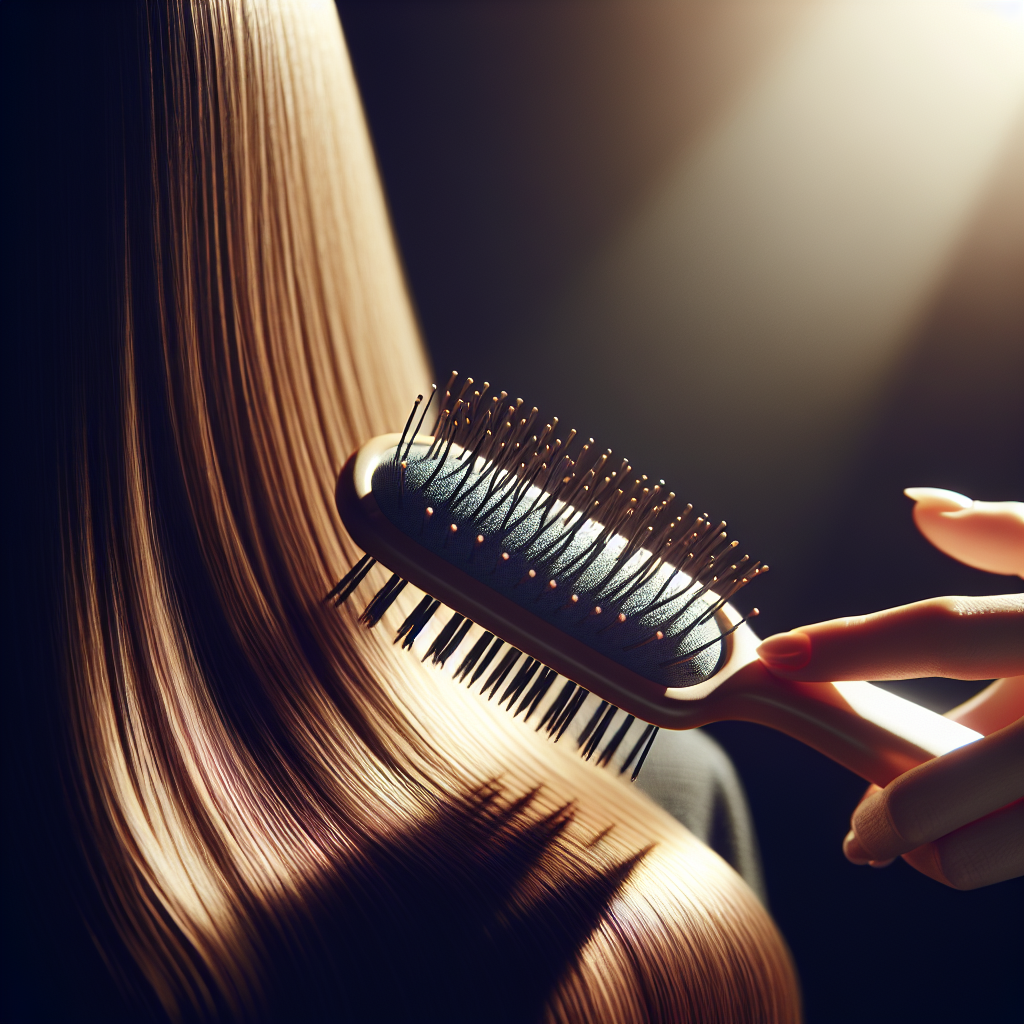
Brushing hair is a daily routine for many, but how you do it can make a significant difference in the health and appearance of your locks. While it may seem simple, the technique and tools you use can impact hair’s luster and strength. In this guide, we’ll explore the best practices for brushing hair to help you achieve healthy, beautiful tresses.
The Importance of Brushing Hair
Brushing hair does more than just tidy your hairstyle. It helps distribute natural oils from your scalp through your hair, adding shine and keeping it moisturized. It’s also an excellent way to exfoliate your scalp, removing dead cells and promoting healthy hair growth. Understanding and choosing the right brush can benefit your hair significantly.
Choosing the Right Brush
One of the first steps in brushing hair effectively is selecting the appropriate tool. Various brushes serve different purposes, from detangling to styling. To dive deeper into this topic, check out our detailed guide on what kind of hair brush you should use. The right brush will minimize breakage and enhance hair texture.
Types of Hair Brushes
Understanding the different types of brushes available can help you make an informed decision:
- Paddle Brush: Ideal for detangling and smoothing long, straight hair.
- Round Brush: Perfect for styling and adding volume to hair during blow-drying.
- Boar Bristle Brush: Helps in distributing oils for a sleek and shiny finish.
- Vented Brush: Speeds up blow-drying time and adds volume.
Brushing Technique: Tips for Healthy Hair
Using the right technique is crucial to preserving hair health. Here are some tips:
- Start at the ends and work your way up to avoid breakage.
- Use gentle strokes to prevent pulling on the scalp.
- Keep brushes clean to maintain hygiene and effectiveness.
Additionally, it’s a good practice not to brush wet hair unless you are using a brush specifically designed for detangling wet hair. Hair is most vulnerable and prone to damage when wet.
Frequency of Brushing
The frequency with which you should brush your hair depends on the hair type. Fine hair can benefit from daily brushing to distribute oils without overstimulating the scalp. Thick or curly hair might require less frequent brushing to prevent breakage and maintain natural curls. Listen to your hair’s needs and adapt your routine accordingly.
Brushing Hair for Different Types
Understanding your hair type can guide your brushing routine:
- Straight Hair: Use a paddle brush for daily detangling and an occasional round brush for styling.
- Curly Hair: A wide-tooth comb or your fingers can be more effective than a brush to avoid frizz.
- Wavy Hair: A combination of finger combing and a gentle paddle brush works well to maintain natural waves.
For more insight on caring for different hair types and the role of genetics, see Wikipedia’s article on hair.
The Myths About Brushing Hair
It’s important to address some common myths related to brushing hair to avoid misinformation:
- Brushing more often does not mean better hygiene or healthier hair.
- Using any brush will not yield the same results; tool choice matters.
- Brushing hair 100 times a day is unnecessary and can lead to damage.
Recognizing these myths can help you adopt healthier hair care practices while brushing your hair.
Conclusion
Brushing hair correctly involves using the right tools and techniques suitable for your specific hair type. By incorporating these practices into your routine, you can support your hair’s health and beauty. Remember, brushing is not just a beauty ritual—it contributes to the overall well-being of your hair. For personalized advice, consider consulting a hair care professional.”
- Regular brushing distributes natural oils and promotes shine.
- Choose the right brush to minimize damage and enhance hair health.
- Adopt proper techniques to prevent breakage and maintain healthy hair.
- Avoid common myths and follow practices tailored to your hair type.
- Consult experts for personalized advice if needed.
FAQ
How often should I brush my hair?
The frequency of brushing depends on your hair type. Fine hair benefits from daily brushing, while thick or curly hair might do well with less frequent brushing to maintain its natural texture.
Can brushing my hair too much cause damage?
Yes, over-brushing can lead to breakage and damage, especially if done with the wrong technique or tools.
Are there brushes specifically for wet hair?
Yes, there are brushes designed to detangle wet hair without causing harm. These often have wider bristles and a gentle grip on the hair.
What’s the best brush for curly hair?
For curly hair, a wide-tooth comb or fingers are preferred to maintain curls and avoid frizz, but a special brush for curly hair can also be used.
Does hair type affect how I should brush my hair?
Absolutely. Different hair types require specific brushes and techniques to ensure the hair remains healthy and styled according to its natural texture.