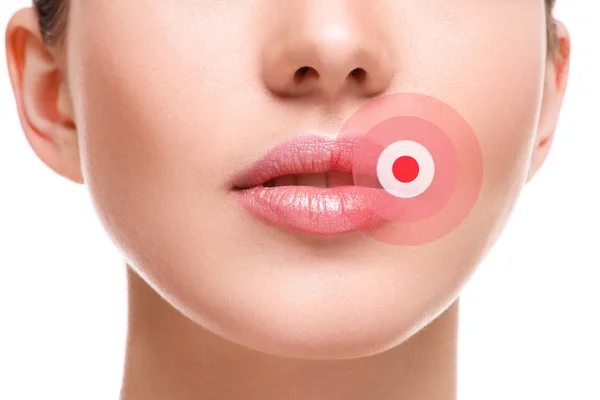
Have you accidentally ripped off a cold sore scab and are now wondering what to do next? It’s a common mishap that many people experience. Proper care can help alleviate discomfort and promote healing.
What to Do When You Accidentally Ripped Off a Cold Sore Scab
When you inadvertently remove a cold sore scab, it can be frustrating and painful. Fortunately, there are steps you can take to care for your skin and encourage faster healing.
Understanding Cold Sores and Their Healing Process
Cold sores, caused by the herpes simplex virus, typically undergo several stages of healing. The initial stage involves tingling and itching, followed by blister formation. After that, a scab forms as the sore begins to heal. This scab serves as protection while the underlying skin renews itself.
Removing the scab before it’s ready can result in bleeding, increased risk of infection, and prolonged healing time. Recognizing the importance of allowing the scab to heal naturally is crucial to avoid further irritation.
Immediate Steps to Take
After accidentally removing a cold sore scab, there are immediate steps you should take to manage the situation:
- Clean the Area: Gently clean the affected area with mild soap and warm water. Pat it dry with a clean towel.
- Apply a Cool Compress: This can help reduce swelling and soothe discomfort.
- Use a Healing Ointment: Apply a thin layer of an over-the-counter antibiotic ointment to help prevent infection and keep the area moist.
For more detailed advice on handling cold sores, consider exploring alternatives like pimple patches that can protect the area as it heals.
Long-Term Care and Prevention
Once you’ve addressed the immediate concerns, focus on long-term care to support healing:
- Avoid Picking: Resist the urge to scratch or pick at the area to prevent delays in healing.
- Stay Hydrated: Drinking plenty of fluids aids skin recovery from within.
- Moisturize Regularly: Continue to apply healing ointments or creams that promote skin repair.
- Shield from Sun Exposure: Use lip balm with SPF to protect the area from UV rays, which can aggravate cold sores.
Consulting a Professional
If the sore appears infected or if you frequently experience severe outbreaks, it might be beneficial to consult a healthcare provider for personalized advice. Medical professionals can offer antiviral medications that may help manage symptoms and reduce the frequency of outbreaks.
In addition, exploring reliable resources can provide more insights into cold sore management. For further reading, check out this informational page on health.
Final Thoughts on Healing
In conclusion, if you’ve accidentally ripped off a cold sore scab, taking immediate, gentle action can reduce complications. Prioritize keeping the area clean, moist, and protected as your skin heals naturally. By following these guidelines, you can support your skin’s recovery and minimize discomfort. Remember, patience and persistence are key in allowing your skin to fully recover.
Takeaways
- Cold sores undergo several stages of healing; removing a scab early can disrupt this process.
- Immediate care is vital, including cleaning the area and applying a healing ointment.
- Long-term care includes moisturizing and protecting the sore from sun exposure.
- Consult a healthcare professional if symptoms worsen or if frequent outbreaks occur.
- Explore reliable resources for more information on managing cold sores.
FAQs
What should I do first if I accidentally remove a cold sore scab?
Clean the area gently with mild soap and water, then apply a cool compress to reduce swelling and discomfort.
How can I prevent infection after removing a cold sore scab?
Apply an antibiotic ointment to the affected area to help protect against infection and promote healing.
Is it okay to cover the sore with a bandage?
Certain patches designed for cold sores may help protect the area, but always check the instructions and ensure the product is suitable for your condition.
How long will it take for my skin to heal after the scab is removed?
The healing process varies, but maintaining a proper skincare routine and avoiding further irritation can help the skin recover within one to two weeks.
Why do cold sores recur, and can I prevent them?
Cold sores are caused by the herpes simplex virus, which remains dormant in the body. While there’s no cure, managing stress, using sunscreen on the lips, and avoiding triggers like excessive sun exposure may reduce recurrence frequency.