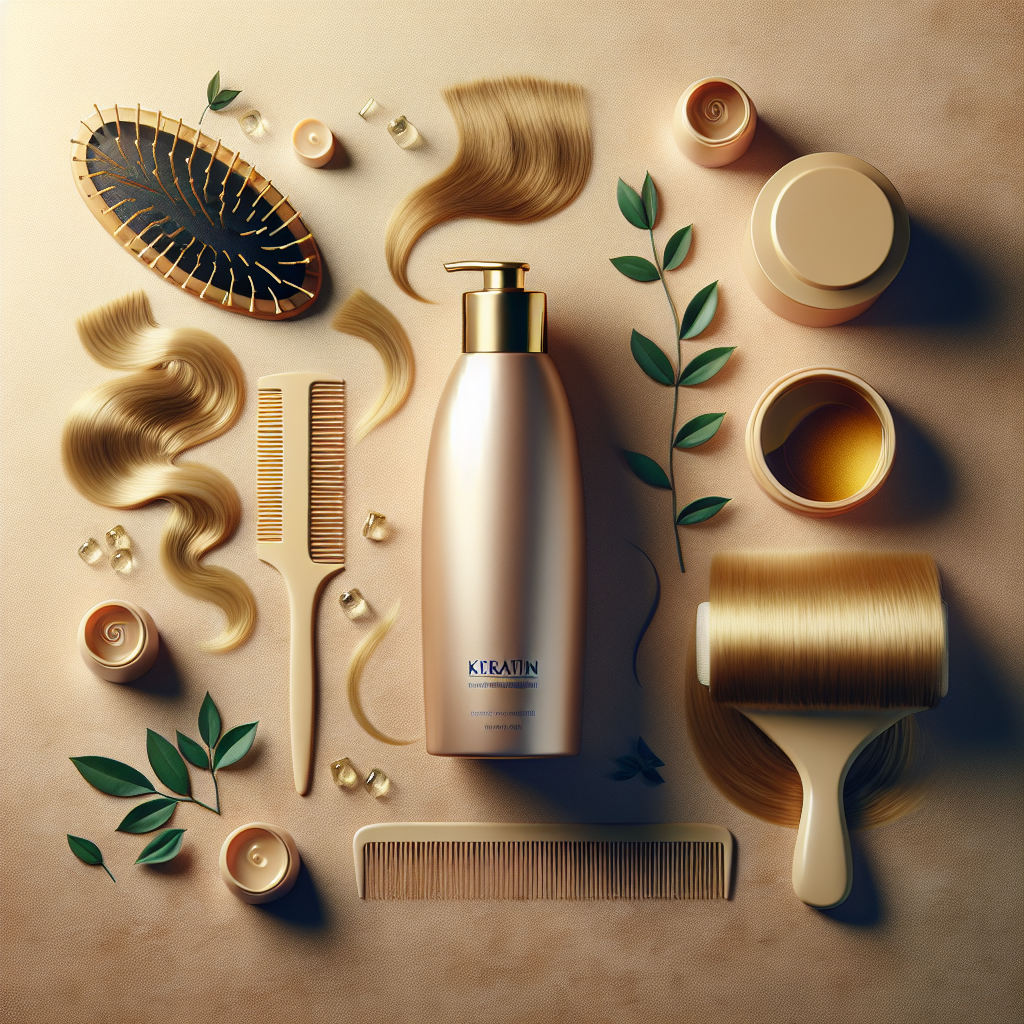
The popularity of keratin treatments has skyrocketed in recent years, leaving many wondering: does keratin treatment damage hair? This common query reflects the natural desire to achieve smooth, shiny locks without compromising hair health. While keratin treatments are advertised as smoothing and strengthening solutions, understanding their effects on hair is crucial before you commit. In this article, we will explore the potential benefits and risks associated with keratin treatments.
Does Keratin Treatment Damage Hair?
Keratin treatments are designed to infuse keratin, a naturally occurring protein in hair, nails, and skin, into the hair strands. This process is intended to make hair smoother, shinier, and more manageable. However, concerns have arisen about whether these treatments might cause harm to the hair. Understanding the procedure and its effects can help you make an informed decision.
The treatment process typically involves applying a keratin solution to the hair, followed by using heat to lock in the product. The heat is crucial for binding the keratin to the hair shaft. While this method can provide desirable results, it may also lead to potential damage due to the use of high temperatures. This has led some to question, can keratin treatment damage hair, and if so, how?
Potential Benefits of Keratin Treatments
Keratin treatments are popular for several reasons. They can significantly reduce frizz, making hair more manageable, and often decrease drying time, which is a bonus for those with busy schedules. Additionally, they can add a desirable shine and softness to the hair, enhancing its overall appearance.
Another advantage is the reduction in time spent styling hair. For many, this results in less exposure to daily heat styling, which could positively affect hair health. Those with particularly curly or frizzy hair may find that a keratin treatment makes their daily hair routine much simpler.
Risks and Considerations
Despite the benefits, there are certain risks and considerations. The primary concern involves the heat required to bond the keratin treatment to the hair. High temperatures can weaken hair strands, making them prone to breakage. Additionally, some treatments contain formaldehyde or related compounds, which help preserve the keratin solution but can be harsh on hair and pose health risks.
It’s important to choose a salon that uses formaldehyde-free products or those with the lowest possible concentrations. Consulting with a hair care professional to assess your hair type and condition is advisable before deciding on a treatment. This personalized consultation can address whether a keratin treatment is suitable for your individual hair needs.
Alternatives to Keratin Treatments
If the risks of keratin treatments raise concerns, consider some alternatives that might better suit your needs. Deep conditioning treatments can enhance hair moisture and elasticity, providing a temporary frizz-reduction effect. Additionally, regular trims can manage split ends and improve hair health without compromising hair structure through chemical means.
Another option to explore is hair oils, such as argan or coconut oil, which can deeply hydrate and smooth the hair naturally. These products can often achieve a similar gloss and softness as keratin treatments without exposing the hair to potentially damaging processes.
Interesting to consider is that certain conditioners can help maintain hair health and manageability. For more on this, read about the relationship between conditioners and hair health.
Final Thought: Does Keratin Treatment Damage Hair?
Ultimately, whether a keratin treatment is beneficial or harmful depends on various factors, including hair type, condition, and the specific products used. Individuals with damaged or fine hair might experience adverse effects, while those with thick, frizzy hair may benefit from the smoothing effects. Ensure you fully understand the potential risks and benefits of keratin treatments, and consult with a professional stylist before proceeding.
In conclusion, before opting for a keratin treatment, investigate the process and consider whether the benefits outweigh the potential risks for your individual hair needs. For detailed and credible information on hair health and treatments, visit this Wikipedia page on health.
- Keratin treatments can provide smooth, shiny hair but may not be suitable for all hair types.
- High-temperature application could damage hair, especially if hair is already fragile.
- Consider alternatives like deep conditioning or natural oils for hair health improvements.
- Always consult a professional to evaluate the best approach for your hair type.
- Choose salons and products wisely to minimize potential risks.
FAQ
What is a keratin treatment?
A keratin treatment is a hair smoothing process that involves applying a keratin-based product and sealing it with heat to enhance hair’s shine and manageability.
Is a keratin treatment safe for everyone?
While generally safe for many, keratin treatments might not be ideal for everyone, particularly those with sensitive hair or allergies to certain product ingredients.
Are there formaldehyde-free keratin treatments?
Yes, some salons offer formaldehyde-free options. Always inquire about the products used and choose accordingly to reduce potential health risks.
How long do the results of a keratin treatment last?
The results can last anywhere from three to six months, depending on hair type, maintenance, and products used for home care.
Can I do a keratin treatment myself at home?
DIY keratin kits are available but achieving professional results requires experience. Salon treatments are recommended to ensure safety and effectiveness.