Achieving voluminous, styled hair is a desire many of us share, but not everyone knows the secret to making it happen. Enter the back comber technique. This simple yet effective method can help create the volume and texture that elevates any look. Whether you’re preparing for a special occasion or seeking an everyday style boost, mastering the back combing technique can transform your hairstyling routine.
What is Back Combing?
Back combing, sometimes referred to as teasing or ratting, involves gently combing hair towards the scalp to create volume at the roots. This technique can give the illusion of fuller, thicker hair and serves as a foundation for many classic and contemporary hairstyles.
The Back Comber in Practice
To get started with the back comber method, you’ll need the right tools. A fine-toothed comb or a specialized teasing brush is best. For more guidance on selecting the appropriate brush, explore our guide to hair brushes. Once your tools are ready, follow these steps:
- Prepare your hair: Ensure your hair is clean and dry. Apply a lightweight styling product to add grip and hold.
- Section your hair: Work in small sections, starting from the crown. Clip away the rest for ease.
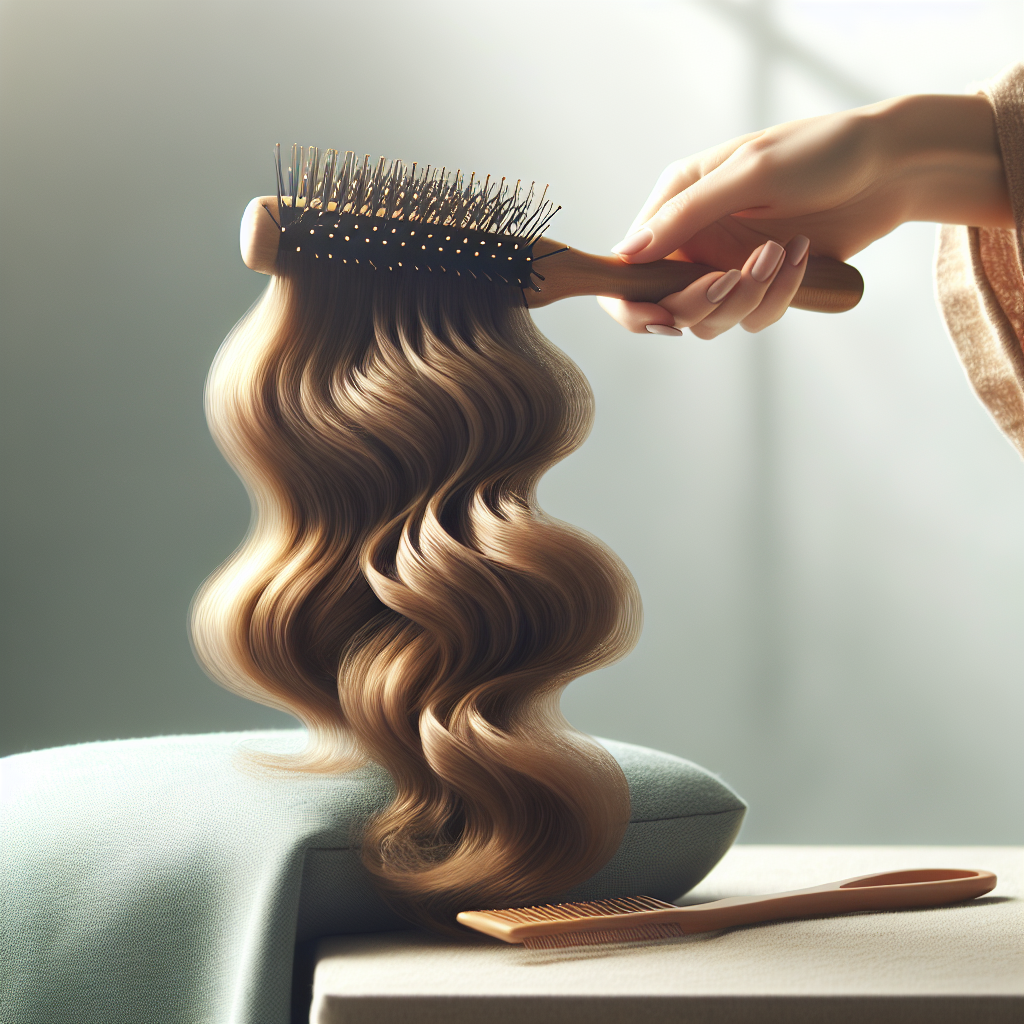
- Back comb: Hold each section of hair taut. Using your comb, start back combing from midway down the shaft towards the roots with short, gentle strokes.
- Set the style: Once you’ve achieved the desired volume, smooth the top layer to hide any visible teasing, and set your style with a flexible-hold hairspray.
Tips for Perfecting the Back Comber Technique
Perfecting the back combing technique takes practice. Here are some expert tips:
- Be gentle: Aggressive teasing can damage your hair. Use gentle motions to minimize breakage.
- Aim for balance: Distribute volume evenly for a more natural look.
- Consider your hair type: Fine hair may require more teasing, while thick hair might only need a light touch.
Common Mistakes and How to Avoid Them
Back combing can sometimes lead to a matted mess if not done correctly. Here are common mistakes and ways to avoid them:
- Using the wrong tool: A brush that’s too wide can tangle hair. Opt for a fine-toothed comb or a specialized teasing brush.
- Teasing excessively: More isn’t always better. Start with small sections and only tease as much as you need for volume.
- Lack of finishing: Neglecting to smooth the top layer can create an unkempt appearance. Always finish with a light smoothing over the top.
Maintaining Healthy Hair
Regular back combing can take a toll on your hair’s health. To keep your hair in great condition, be sure to follow these care tips:
- Condition regularly: Use a moisturizing conditioner to nourish your hair after styling.
- Avoid overwashing: Frequent washing can strip your hair of natural oils, leading to dryness.
- Use a heat protectant: Protect your hair from heat damage by using a quality heat protectant before styling.
To learn more about maintaining hair health, visit this informative article.
Conclusion: Embracing the Back Comber Technique
The back comber technique is a valuable skill for adding volume and style to your hair. With practice and care, it’s easy to achieve a look that feels full and luscious, ready for any occasion.
- Back combing creates volume by combing hair towards the scalp.
- Using the right tools ensures the best results.
- Gentle techniques help protect hair from damage.
- Smooth over the top layer for a polished look.
- Keep hair healthy with regular conditioning and care.
What is the purpose of back combing?
Back combing is used to create volume and fullness in hair, making it easier to style with more body.
Can back combing damage my hair?
Yes, if done excessively or aggressively, back combing can lead to hair damage. Gentle techniques and tools can minimize this risk.
What type of comb is best for back combing?
A fine-toothed comb or specialized teasing brush is ideal for back combing. They offer better control and reduce the risk of tangling.
How do I make back combing last all day?
Start with a styling product for grip and finish with a flexible-hold hairspray to help maintain the style throughout the day.
Is back combing suitable for all hair types?
Back combing can be used on most hair types, but the technique may need to be adjusted based on hair thickness and texture.