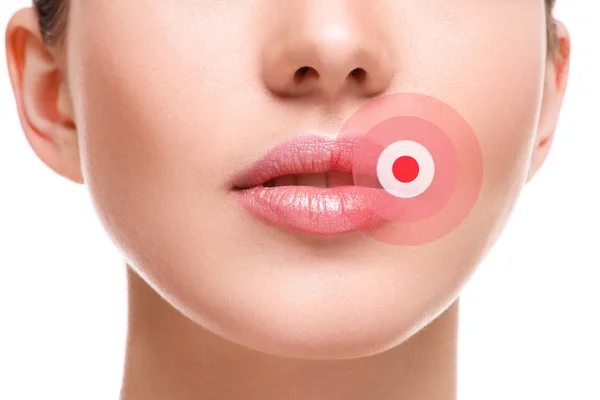
Fever blisters on the face, commonly known as cold sores, can be both uncomfortable and distressing due to their noticeable appearance. These small, fluid-filled lesions are usually found around the lips but can occasionally spread to other facial areas. Understanding how to manage and reduce the occurrence of fever blisters can make a significant difference in both comfort and self-esteem.
Understanding Fever Blisters on Face
Fever blisters are caused by the herpes simplex virus (HSV-1). Although many individuals carry this virus, not all experience outbreaks. Triggers such as stress, illness, and excessive sunlight can activate the virus and lead to the development of these sores.
Identifying the Symptoms
The initial sign of a fever blister may include a tingling or burning sensation on the lips or face. Following this, small blisters form, which can break open and ooze before eventually crusting over. Entire episodes typically last between 7 to 10 days.
Causes and Triggers
Common triggers for fever blisters include viral infections, hormonal changes, fatigue, immune suppression, and environmental factors like sunlight. Being aware of these triggers and taking preventive action can help in managing outbreaks.
Treating Fever Blisters on Face
While fever blisters usually resolve on their own, several methods can support faster healing and reduce discomfort:
Medications
Antiviral medications, such as acyclovir, may help reduce the duration of outbreaks if taken at the first sign of symptoms. Always consult a healthcare provider for advice on prescription options.
Over-the-Counter Treatments
Topical creams and ointments designed for fever blisters can alleviate pain and promote healing. Always follow product directions and consult a pharmacist if you have questions about suitable remedies.
Home Remedies and Lifestyle Adjustments
- Applying a cool, damp cloth to the blister for comfort.
- Using lip balms with sunblock to protect lips from UV rays.
- Maintaining a healthy lifestyle and managing stress effectively.
For more detailed guidance on applying a specific treatment like pimple patches to cold sores, you can explore the use of specialized products here.
Prevention Strategies
Preventing outbreaks is often the best strategy for managing fever blisters. Employ these techniques to help keep the virus dormant:
Boosting Your Immune System
A strong immune system can suppress the HSV-1 virus, reducing the likelihood of an outbreak. Focus on a diet rich in vitamins and minerals, and get plenty of rest.
Sun Protection
Regularly using sunscreen on your lips and face minimizes UV exposure, a known trigger for fever blisters. Choose lip balms and skincare products with a high SPF rating for daily use.
Avoiding Direct Contact
HSV-1 is contagious even without visible sores. Avoid kissing or sharing utensils with someone who has an active outbreak. Practicing good hygiene can also limit viral spread.
Conclusion: Managing Fever Blisters on Face
Dealing with fever blisters on the face can be challenging, but with the right prevention and treatment strategies, their impact can be minimized. Attention to personal health and lifestyle choices go a long way in managing both the symptoms and frequency of outbreaks. Always seek medical advice for persistent or severe cases to ensure proper care and treatment.
- Fever blisters are caused by the HSV-1 virus.
- Managing stress and UV exposure can prevent outbreaks.
- Antiviral medications can shorten healing time.
- Home remedies can provide comfort during outbreaks.
- Consult healthcare providers for severe or frequent cases.
FAQ
What triggers fever blisters on the face?
Triggers include stress, illness, sun exposure, and fatigue. The herpes simplex virus is activated, leading to a blister outbreak.
How long do fever blisters typically last?
The healing process commonly takes 7 to 10 days, with blisters crusting over and disappearing without leaving scars.
Can I prevent fever blisters from occurring?
Preventative measures include using sunscreen, reducing stress, and boosting your immune system. Avoid known triggers to minimize outbreaks.
Are there any effective home remedies for fever blisters?
Applying a cold compress and using lip balm with sunblock are helpful. Maintaining overall health and avoiding irritants can also reduce symptoms.
Where can I find more reliable information about managing herpes simplex virus?
For additional information and resources regarding fever blisters and the herpes simplex virus, visit this Wikipedia page.